For many households, general dental care is the practical foundation of looking after teeth and gums through different ages and stages. It may include regular check-ups, professional cleaning, preventive advice, dental fillings, gum care, assessment of pain or damage and guidance about whether further treatment may be suitable.
For families, this care is rarely about one single appointment. A young child, a teenager with braces, an adult with tooth sensitivity and an older parent with existing restorations may all need different support. CP Dental sees patients at Coopers Plains, Mater Hill and Emerald, with care planned according to each person’s oral health, medical history and priorities.
What general dental care may include for a family
A family dental visit usually begins with understanding the person in the chair. Your dentist may ask about symptoms, previous dental treatment, medications, medical conditions, allergies, diet, oral hygiene habits and any concerns about treatment. This helps the dental team assess what is appropriate rather than taking a one-size-fits-all approach.
At its core, general dental care is about checking for current issues, reducing the chance of avoidable problems and helping patients make informed choices if treatment is recommended. It is not limited to a “quick look” at the teeth.
Dental examinations and oral health checks
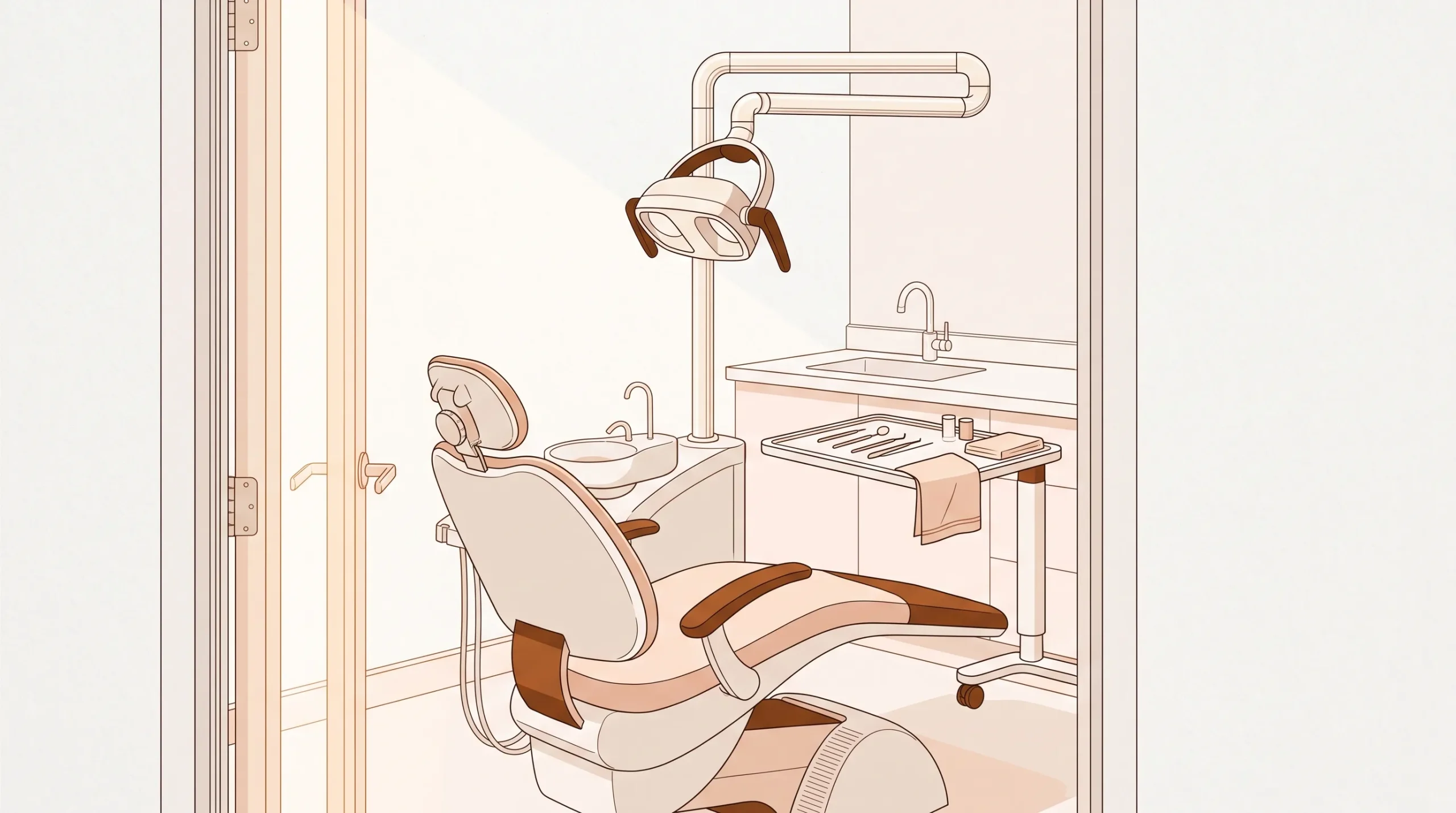
During a dental examination, your dentist may check the teeth, gums, tongue, cheeks, jaw joints, bite and existing fillings or crowns. They may look for signs of tooth decay, gum inflammation, tooth wear, cracks, infection or other changes in the mouth.
Dental X-rays may be recommended when they are clinically useful, for example to check between teeth, assess tooth roots or look at areas that cannot be seen directly. They are not required for every person at every visit. Your dentist should explain why an X-ray is suggested and how it relates to your care.
Professional cleaning and gum care
A scale and clean removes hardened plaque, known as calculus or tartar, that cannot be brushed away at home. This may help manage gum inflammation and support better oral hygiene, especially for people who are prone to bleeding gums or build-up around crowded teeth.
If gum disease is suspected, your dentist may recommend a more detailed gum assessment and discuss suitable next steps. Gum treatment can vary depending on severity, home care, smoking, diabetes, medications and other individual factors.
Why general dental care starts with prevention
Prevention is a major part of family dentistry because many dental problems begin quietly. Early tooth decay, mild gum inflammation or tooth grinding may not cause obvious symptoms straight away. A dental visit can help identify these issues before they become more complex, although no appointment can guarantee that future problems will not occur.
This preventive side of general dental care may include fluoride advice, oral hygiene guidance, dietary discussion, fissure sealants for suitable children or teenagers and advice about custom mouthguards for people who play contact sport. The right preventive care depends on age, risk factors and what your dentist finds during an examination.
The Australian Dental Association’s patient resource Teeth.org.au provides plain-language information on brushing, flossing, children’s oral health and dental visits. Healthdirect Australia also outlines common reasons people seek dental care and when dental symptoms should be assessed.
Home care advice that fits real life
A useful dental appointment should not leave your family with unrealistic instructions. Your dentist may talk through practical ways to improve brushing technique, clean between teeth, manage snacking frequency or choose oral care products.
For example, a child learning to brush needs different guidance from an adult with gum recession or a teenager wearing orthodontic appliances. If you have competing routines, school runs, shift work or caring responsibilities, simple changes are often easier to maintain than complicated routines.
How dental care may change with age
Families often attend the dentist for different reasons at different times. Care for a preschool child will not look the same as care for a parent with a broken filling or a grandparent with a denture concern.
For children and teenagers, general dental care may include monitoring tooth development, checking eruption of adult teeth, assessing bite changes, discussing thumb sucking or mouth breathing concerns and helping children become familiar with dental visits. Some children may also benefit from preventive treatments such as fissure sealants if their back teeth have deep grooves and their dentist considers them suitable.
If you are planning dental care for a child, CP Dental’s guide to keeping children’s teeth and gums healthy explains common childhood oral health topics in more detail.
Adults and older family members
Adults may attend for check-ups, cleans, sensitivity, worn teeth, chipped teeth, gum concerns, headaches related to clenching or changes around existing dental work. Older adults may also need monitoring of crowns, bridges, implants, dentures, dry mouth, medication-related oral changes and root decay risk.
Pregnancy, diabetes, reflux, cancer treatment, smoking history and some medications can also affect oral health. Your dentist may ask about these because they can influence treatment planning, gum health, healing and the choice of materials or timing.
When a routine visit leads to treatment
Sometimes a check-up identifies a concern that needs treatment. This does not mean treatment should be rushed or accepted without discussion. Your dentist should explain what they have found, what may happen if the issue is monitored or left untreated, what options are available and what risks or limitations apply.
When general dental care identifies tooth decay, a filling may be recommended to restore the damaged part of the tooth. If a tooth is cracked, badly broken or infected, other options may be discussed, such as a crown, root canal treatment, extraction or referral, depending on the tooth and the clinical situation.
All dental procedures carry potential benefits and risks. These may include sensitivity, discomfort, infection, restoration failure, the need for further treatment or results that differ from what was expected. A clinical assessment is needed before your dentist can recommend a suitable option.
| Possible concern | What your dentist may assess | What care may involve |
|---|---|---|
| Tooth decay | Depth, symptoms and tooth structure | Monitoring, fluoride advice, filling or further treatment |
| Bleeding gums | Plaque levels, gum pockets and risk factors | Cleaning, home care advice, gum treatment or review |
| Toothache | Tooth, gum, bite and X-ray findings if needed | Pain assessment, temporary care or definitive treatment options |
| Chipped tooth | Size, location, symptoms and bite forces | Smoothing, filling, crown discussion or monitoring |
| Tooth wear | Grinding, reflux, diet and enamel loss | Preventive advice, splint discussion or restorative options |
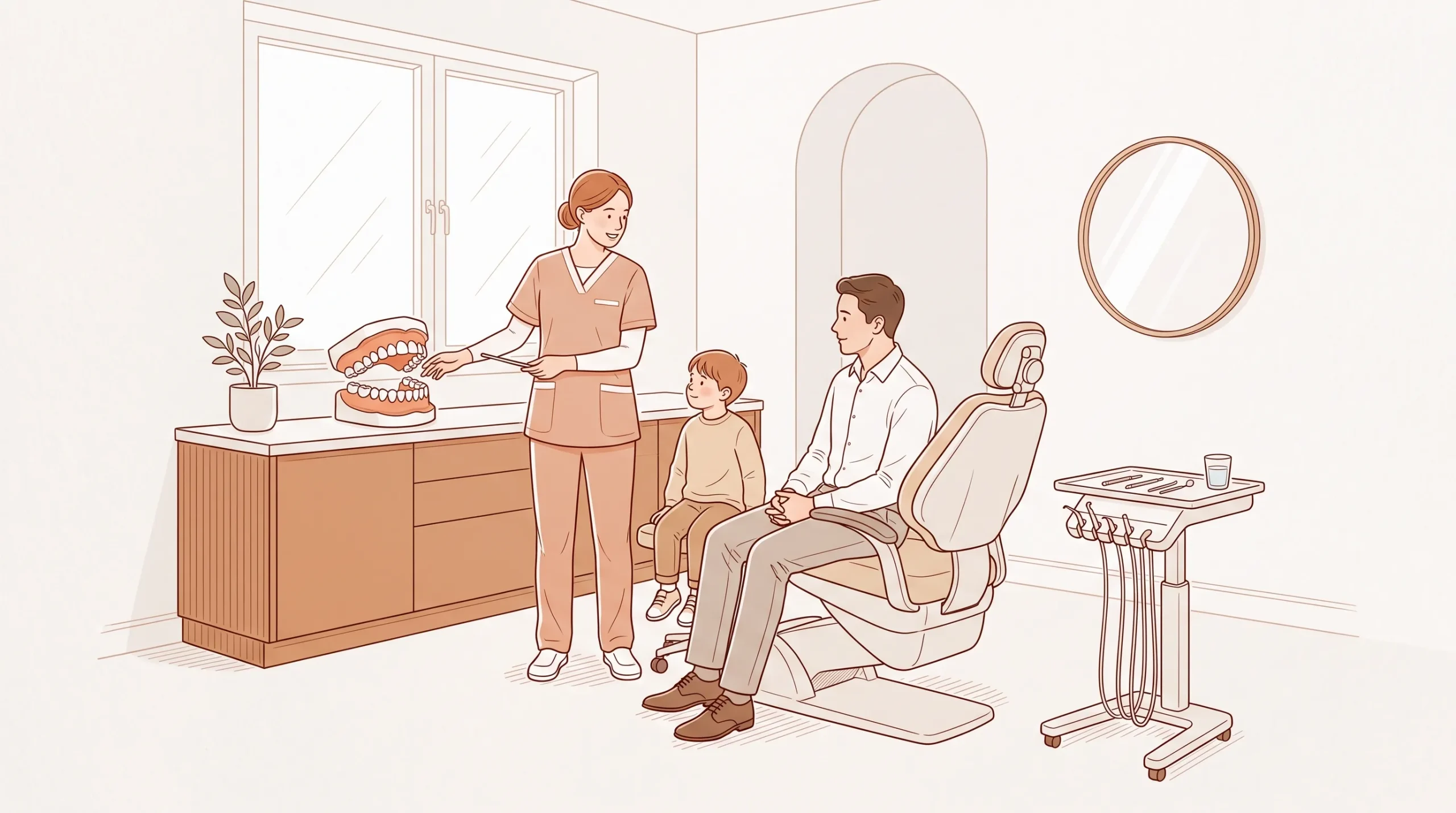
What to expect at a family dental appointment
A family dental appointment may be arranged for one person or several family members, depending on your needs and the practice schedule. If more than one person is attending, it can be helpful to mention everyone’s main concerns when booking so the appropriate appointment time can be considered.
A useful part of general dental care is the conversation after the examination. Your dentist may show you areas of concern, explain what they are watching, outline possible options and help you understand which issues are more time-sensitive. You should have the opportunity to ask questions before deciding what to do next.
For families juggling school, work and other commitments, planning ahead can make routine care easier to manage. CP Dental’s article on planning dental care for a busy family shares practical ways to keep appointments organised without overcomplicating the process.
How often should families book dental visits?
There is no single interval that suits every person. Some people may be advised to attend every six months, while others may need reviews more or less often depending on their oral health, gum condition, decay risk, medical history and current treatment needs.
If you want a broader overview of regular appointments, CP Dental’s guide to routine dental care in Australia explains what routine visits often involve and why timing can vary between patients.
Making informed choices about family dental care
Good dental care should feel clear, respectful and based on your circumstances. If treatment is recommended, you can ask why it is needed, whether there are alternatives, what the expected limitations are, what may happen if you wait and what the likely costs are before making a decision.
For many families, general dental care also includes prioritising. A dentist may suggest managing urgent pain first, stabilising active decay, improving gum health or spacing out treatment where clinically appropriate. Cosmetic concerns can also be discussed, but they should not be presented as essential for everyone.
Helpful questions to ask include:
- What did you find during the examination?
- Is this problem urgent, or can it be monitored?
- What are the possible benefits, risks and alternatives?
- How does my medical history affect the recommendation?
- What can I do at home to reduce my risk of future problems?
Frequently Asked Questions
What does general dental care include? General dental care may include dental examinations, professional cleaning, gum checks, X-rays when clinically needed, preventive advice, fillings, assessment of pain or damage and referral or treatment planning where appropriate.
Is general dental care suitable for children? Yes, children can benefit from age-appropriate dental visits. A dentist may check tooth development, brushing habits, decay risk, gum health and any concerns about the way teeth are coming through.
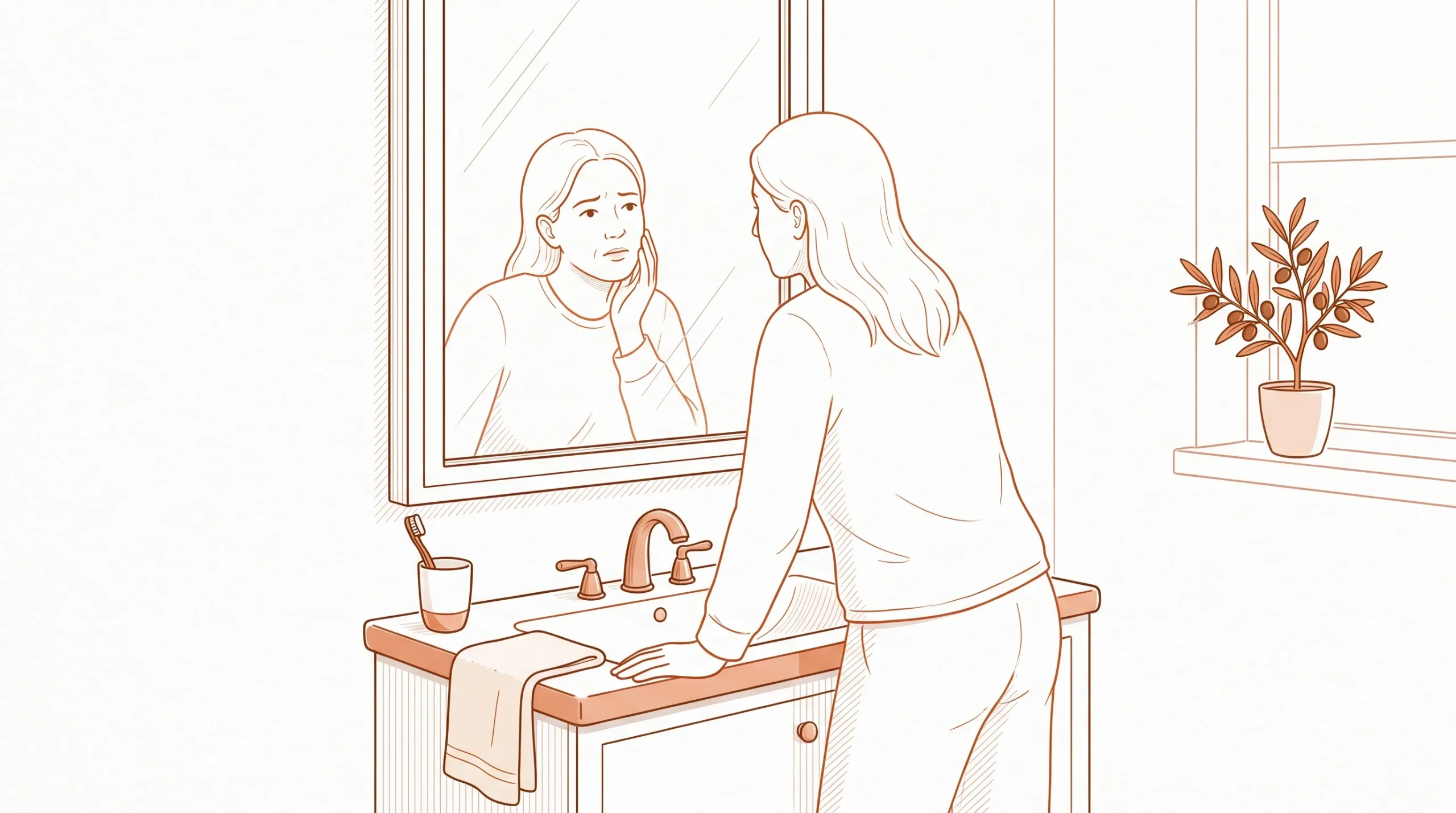
Do we need to see a dentist if nobody has pain? Pain is not the only sign of a dental problem. Decay, gum disease and tooth wear can develop with few symptoms at first, so regular dental visits may help identify concerns earlier.
Will every family member need the same appointment schedule? Not necessarily. Visit timing can vary depending on age, oral health, risk factors, medical history and previous dental treatment. Your dentist can suggest a review interval based on an individual assessment.
Can general dental care include cosmetic concerns? A general dentist may discuss cosmetic concerns such as tooth colour, chips or uneven edges, but suitability for cosmetic treatment depends on oral health, expectations, risks and available options.
Discuss your family’s dental needs with CP Dental
If you are unsure what your family needs, a dental examination can help clarify the condition of each person’s teeth and gums. Your dentist can explain the potential benefits, risks and alternatives of any recommended care, based on individual circumstances.
To discuss your concerns, you can book an appointment with the team at CP Dental at the Coopers Plains, Mater Hill or Emerald location. Online appointment booking is available for patients who prefer to arrange a time digitally.