If you are searching “dentist urgent near me”, persistent toothache, new swelling, a broken tooth or a dental injury are reasons to contact a dentist promptly. The right timing depends on your symptoms, not just how painful the tooth feels. A knocked-out adult tooth needs immediate dental attention, while difficulty breathing or swallowing requires emergency medical care.
This guide explains which symptoms to report, what you can do while arranging care and what an urgent appointment may involve. It cannot determine the cause of your symptoms or replace an examination.
When to seek emergency medical care
Some problems affecting the mouth or face need hospital assessment rather than waiting for a dental appointment.
Call Triple Zero (000) if you have difficulty breathing, cannot swallow your saliva or have severe bleeding that will not stop. Seek emergency medical care for rapidly spreading facial or neck swelling, swelling affecting an eye or a significant facial or jaw injury.
Fever together with facial swelling or feeling generally unwell also needs urgent dental or medical advice. If symptoms are worsening quickly, go to an emergency department rather than waiting for a clinic to open.
A hospital can assess serious infection, bleeding or trauma, but you may still need dental treatment afterwards to address the underlying tooth problem. Healthdirect’s dental emergency guidance explains common warning signs and where to seek care.
A “dentist urgent near me” search starts with checking your symptoms
When you contact a practice, describe what is happening before asking for the next available appointment. Reception staff can pass the details to the dental team to help determine an appropriate timeframe.
| What you notice | What to do |
|---|---|
| An adult tooth has been knocked out | Seek dental care immediately and follow the first-aid advice below. |
| Severe or worsening toothache, localised swelling or a painful broken tooth | Contact a dentist promptly and ask whether you need assessment that day. |
| Bleeding after a procedure that continues despite following your aftercare instructions | Contact the treating dentist urgently. Severe uncontrolled bleeding needs emergency medical care. |
| A small painless chip, lost filling or loose crown without swelling | Contact a dentist for advice about timing and protecting the tooth. These still need assessment, although they may not require an emergency visit. |
These categories are a guide, not a diagnosis. Changes in symptoms, recent treatment and your medical history can affect how soon you should be seen.
Toothache that interrupts sleep or daily activities
Pain that keeps you awake, stops you eating or is getting worse warrants prompt contact with a dentist. Tell the team whether the pain is constant, occurs when biting or continues after hot or cold food and drinks.
If your “dentist urgent near me” search follows a night of little sleep, explain that when booking. It gives the team more useful information than simply saying you have a sore tooth.
Pain can have several causes, including decay, a crack or inflammation inside a tooth. Pain relief alone cannot identify or address the cause.
Swelling, discharge or a bad taste
A swollen gum, a tender lump near a tooth or discharge with an unpleasant taste may indicate infection and should be assessed promptly. A dental abscess is a collection of pus caused by infection.
A reduction in pain does not necessarily mean the problem has resolved, particularly if swelling or discharge remains. Do not squeeze or puncture a swelling yourself.
Tell the dental team about fever, spreading swelling or difficulty opening your mouth. Difficulty swallowing or breathing requires emergency medical care.
Damage following a fall, collision or biting injury
Contact a dentist promptly if a tooth becomes loose, moves out of position or breaks after an injury. A tooth can be damaged even when there is little visible change, so explain how the injury happened and whether your bite feels different.
A broken tooth does not automatically need removal. Depending on the damage, a dentist may consider a restoration, root canal treatment or extraction. CP Dental’s explanation of when emergency tooth extraction may be considered discusses why an examination is needed before making that decision.
What to do while arranging dental care
While you contact clinics found through a “dentist urgent near me” search, first aid may help protect the area or make you more comfortable. It is not a substitute for assessment.
For toothache, gently clean around the tooth and avoid foods or temperatures that trigger pain. A cold compress against the outside of the cheek may help with discomfort after an injury or with swelling. Do not place ice directly on your skin.
Ask a pharmacist whether an over-the-counter pain medicine is suitable for you, particularly if you take other medicines, are pregnant or have a medical condition. Follow the label and do not place aspirin directly on a tooth or gum, as it can damage the tissue.
If an adult tooth has been knocked out
Handle the tooth by the crown, which is the white part normally visible in the mouth. Avoid touching the root. If dirty, gently rinse it briefly with milk or saline without scrubbing it or removing attached tissue.
If the person is alert, cooperative and it is safe to do so, gently place the adult tooth back into its socket without forcing it. Have them bite gently on a clean cloth to hold it in place. If you cannot replace it, keep it in milk and take it to a dentist immediately. Do not let it dry out.
Do not put a baby tooth back into its socket, as this can damage the developing adult tooth. A child with a knocked-out tooth still needs prompt dental advice. If you are unsure whether it is a baby or adult tooth, seek advice immediately and keep the tooth in milk.
What to tell the team when you call
When contacting a clinic from a “dentist urgent near me” search, a clear description helps the team assess your request. You do not need to know the dental name for the problem.
Useful details include:
- When the symptoms started and whether they are getting worse.
- Whether you have swelling, fever, bleeding or difficulty swallowing.
- Whether pain affects sleep, eating or opening your mouth.
- Any recent injury, dental procedure or treatment in progress.
- Your regular medicines, allergies and relevant medical conditions.
Mention blood-thinning medicines or conditions that affect your immune system. Do not stop prescribed medicines unless your treating clinician advises you to.
For an urgent concern, calling allows you to describe symptoms and ask about timing. Do not assume an available online booking is soon enough for your situation. If a practice cannot assess you within the recommended timeframe, ask what alternative care you should seek.
What an urgent dentist appointment may involve
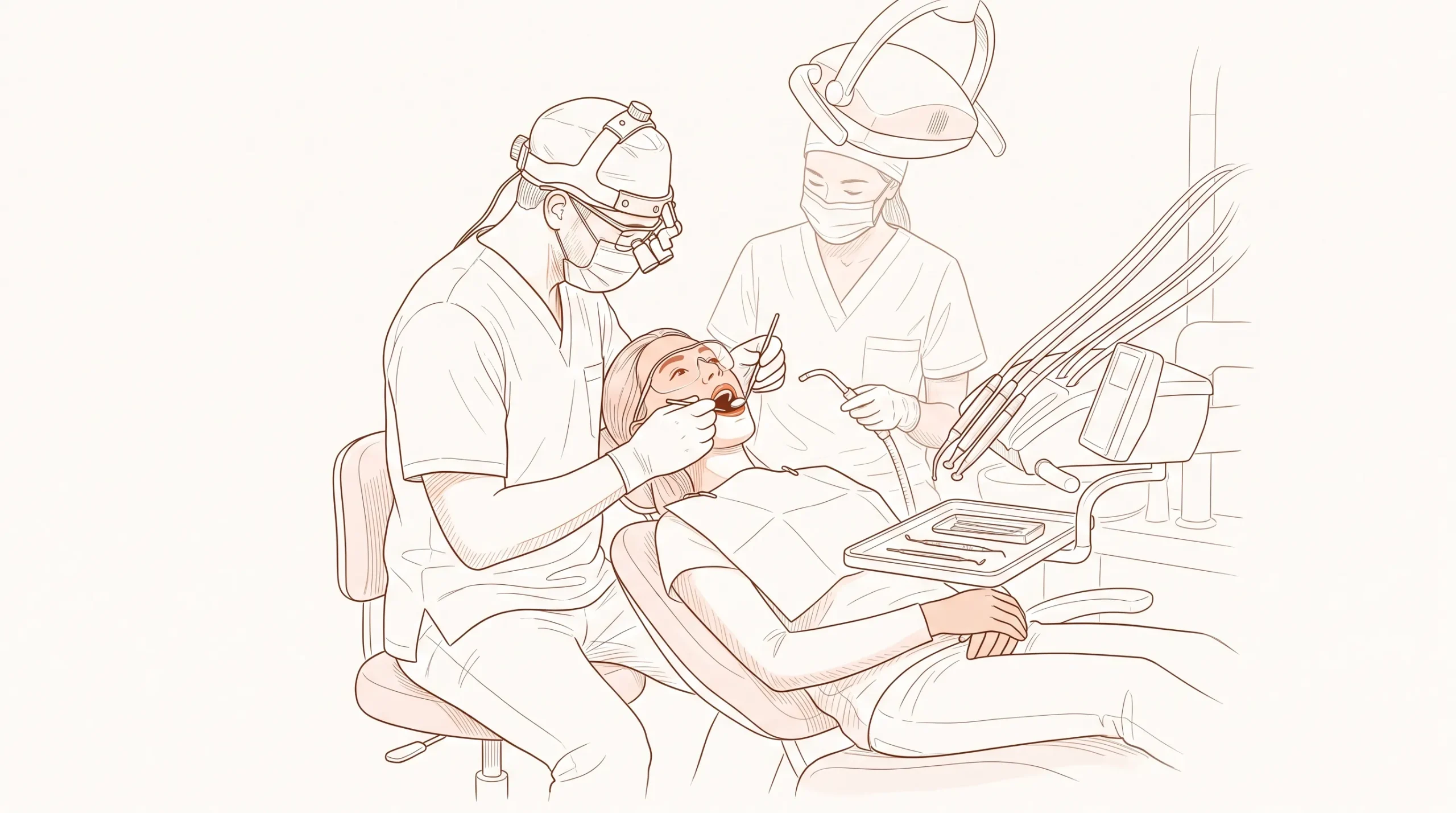
The dentist will ask about your symptoms and medical history, examine the area and discuss any imaging that may be needed. Dental X-rays can help assess parts of a tooth and surrounding tissues that are not visible during an examination.
The first visit may focus on identifying the problem and providing appropriate initial care. Depending on the findings, options may include a temporary restoration, treatment of an infection, starting root canal treatment or removing a tooth that cannot reasonably be retained.
Antibiotics are not a replacement for treating the dental cause. A dentist may prescribe them in particular circumstances, such as a spreading infection, but they are not needed for every toothache.
All procedures have potential benefits and risks. Your dentist should explain the options, alternatives and likely follow-up needs before treatment. Completing care may require another appointment, and experiences and recovery vary between patients.
You can also ask about the assessment fee, possible imaging costs and whether any proposed treatment would be temporary or definitive. A reliable treatment estimate may depend on the examination findings.
Frequently asked questions
Does searching “dentist urgent near me” mean I can get a 24-hour appointment? No. Search results do not confirm current opening hours or appointment availability. Check directly with the practice. CP Dental’s availability needs to be confirmed with the team; this article does not imply a 24-hour or after-hours service.
Can I wait until Saturday? That depends on your symptoms. Do not delay care for a knocked-out adult tooth, worsening swelling or severe pain simply to fit a preferred day. If the problem can safely wait, these checks before booking a Saturday dental appointment can help you prepare.
What if I cannot reach a dentist? In Queensland, you can call 13 HEALTH on 13 43 25 84 for health advice about your symptoms and where to seek care. This does not replace dental treatment or arrange a dental appointment. Call 000 for a life-threatening emergency.
Arrange an assessment based on your symptoms
A dental examination can help determine what is causing your symptoms and which options may be appropriate. To discuss an urgent concern, contact CP Dental and explain what has changed. The team sees patients at the Coopers Plains, Mater Hill and Emerald locations; confirm appointment availability directly with your chosen practice.