For many Brisbane households, getting everyone to the dentist can feel like another job on an already full calendar. Between school runs, sport, work rosters and caring for older family members, it is easy for check-ups to slip further down the list.
A good family dental plan makes those visits simpler. It helps you know when to book, what to expect, how to prepare children, and when a dental concern needs urgent attention. Whether you are organising a toddler’s first visit, a teen’s orthodontic review or an adult check-up, the aim is the same: prevent small problems from becoming bigger, more uncomfortable and more expensive.
Why family dental visits matter
Family dental care is not just about cleaning teeth. A routine visit can help detect tooth decay, gum inflammation, tooth wear, bite problems, jaw development concerns, oral habits and early signs of infection. For children and teenagers, it can also support healthy routines while their teeth and jaws are still changing.
Regular appointments also make dental care feel normal. Children who see parents or older siblings attend calmly are often less anxious about their own visits. Adults benefit too, especially if they have delayed care because of cost, time, fear or a previous negative experience.
The most useful approach is to treat dental visits as preventive healthcare. Instead of waiting until someone has pain, swelling or a broken tooth, families can use regular check-ups to ask questions, review brushing habits, discuss diet, and plan treatment early if something is developing.
How often should your family see a dentist?
There is no perfect schedule that suits every person. Some people only need routine check-ups once or twice a year, while others need closer monitoring because of gum disease, high decay risk, orthodontic treatment, medical conditions, dry mouth, pregnancy, smoking, frequent snacking or a history of dental problems.
Healthdirect Australia notes that regular dental checks help keep teeth and gums healthy, but your dentist can advise how often you should attend based on your individual needs. This is especially helpful for families because each member may have a different risk profile.
A simple guide is:
| Family member | Common focus at dental visits | Practical booking tip |
|---|---|---|
| Babies and toddlers | First teeth, gums, feeding habits, dummy use and early decay prevention | Ask when to book the first visit once teeth appear or around the first birthday |
| Primary school children | Brushing technique, fluoride, fissure sealants, crowding and sports mouthguards | Book before school holidays fill up if treatment may be needed |
| Teenagers | Orthodontics, wisdom teeth, sport injuries, diet, oral hygiene around braces or aligners | Pair dental visits with school term breaks or exam-free weeks |
| Adults | Gum health, fillings, tooth wear, whitening goals, implants or restorative options | Combine check-ups with children’s appointments where possible |
| Older adults | Gum disease, dry mouth, dentures, implants, medication-related oral changes | Bring a current medication list and note any changes in general health |
If you are unsure where your family sits, book a general check-up first. After the exam, your dentist can recommend a review schedule that is realistic and tailored.
What happens during a family dental visit?
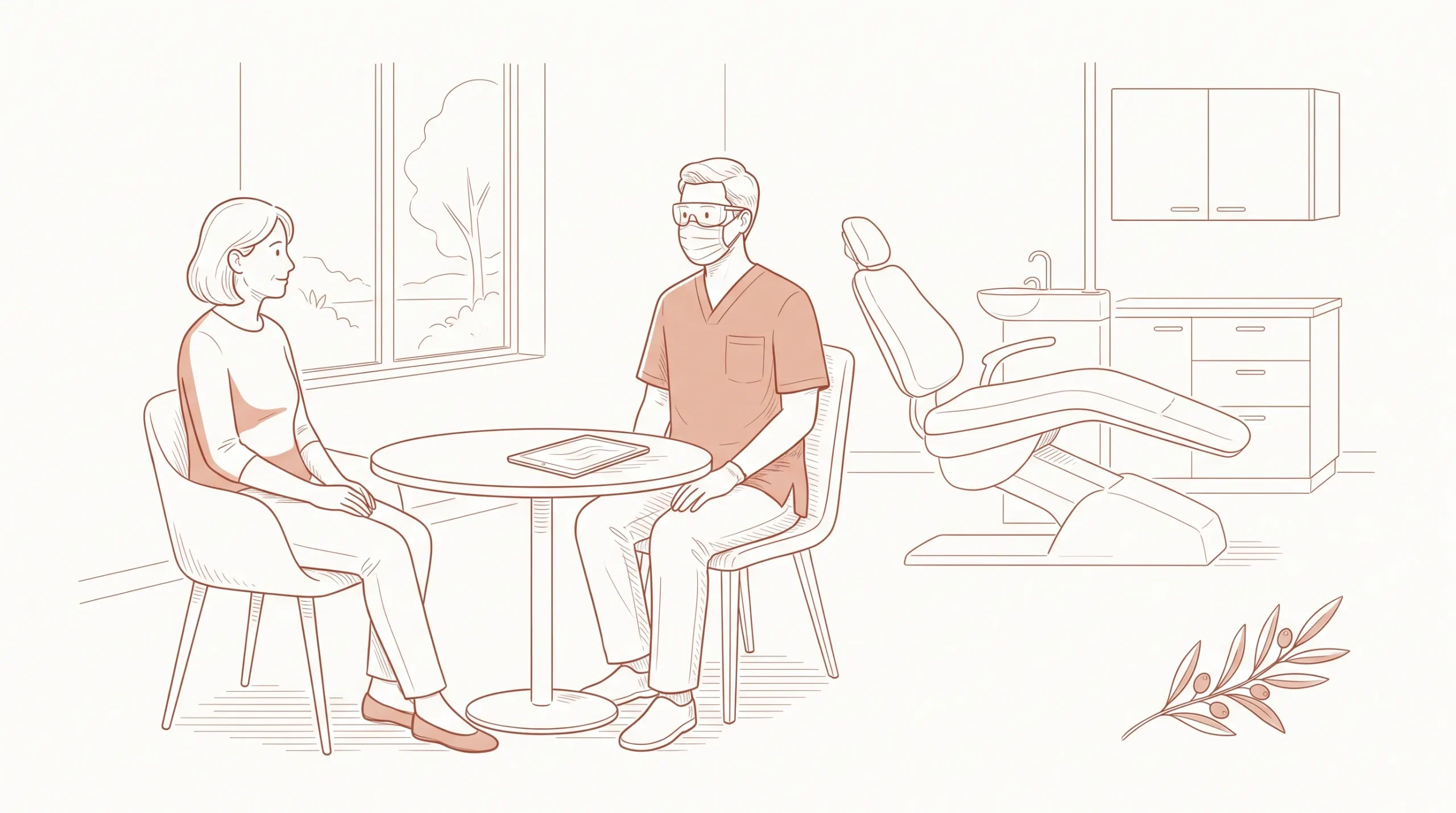
A routine appointment usually begins with a quick update on medical history, medications, allergies and any concerns. This matters because general health can affect the mouth, and some medications can influence bleeding, healing or dry mouth.
The dentist will then examine the teeth, gums, bite and soft tissues. X-rays may be recommended when they are needed to check between teeth, assess developing teeth, investigate pain or plan treatment. Not every visit requires X-rays, and you can ask why they are being recommended.
For many patients, a professional clean is also part of preventive care. This may include removing plaque and tartar, polishing teeth and applying fluoride where appropriate. For children, the visit may be shorter and more focused on building confidence, counting teeth, checking development and giving simple brushing guidance.
If treatment is needed, you should be given a clear explanation of the problem, options, timing and expected costs. For more complex work, such as crowns, implants, orthodontics or root canal treatment, it is reasonable to ask for a written treatment plan before making a decision.

Making dental visits easier for children
Children often do best when dental care feels predictable. Try not to wait until pain or an emergency before their first appointment. A calm, simple visit helps them understand the chair, light, mirror and dental team before any treatment is needed.
Use positive language at home. Instead of warning children that something might hurt, explain that the dentist will count their teeth, check their smile and help keep their mouth healthy. If you have dental anxiety yourself, try not to pass that worry on through detailed stories or nervous comments.
It can also help to book younger children earlier in the day, when they are less tired. Bring their regular water bottle, allow time for parking or public transport, and avoid rushing straight from a stressful activity.
For more age-specific advice, CP Dental has a helpful guide on dental care for children that covers habits for keeping young teeth and gums healthy.
Supporting teens and young adults
Teen dental care can be trickier because independence increases at the same time as risk factors change. Sugary drinks, energy drinks, snacking, vaping, contact sport, orthodontic appliances and inconsistent brushing can all affect oral health.
Teenagers may also be more aware of how their teeth look. This can make them interested in whitening, clear aligners or cosmetic options, but it is important to check oral health first. Whitening, for example, is not a substitute for treating decay, gum inflammation or enamel problems.
If your teenager plays rugby league, football, netball, basketball, hockey or martial arts, ask about a custom mouthguard. A professionally fitted mouthguard can help reduce the risk of dental injuries during contact sport.
For older teens moving into work, university or more independent routines, CP Dental’s article on teens and young adults oral health is a useful companion to regular check-ups.
When is it a dental emergency?
Not every dental concern is an emergency, but some symptoms should be assessed quickly. Families should seek urgent dental care if someone has facial swelling, severe toothache, trauma, a knocked-out adult tooth, uncontrolled bleeding, signs of infection or a broken tooth causing pain.
If an adult tooth is knocked out, handle it by the crown rather than the root. If possible, place it back in the socket gently, or store it in milk and seek urgent dental care. Baby teeth should not usually be replanted, but the child still needs assessment.
For swelling that affects breathing, swallowing or the eye area, seek emergency medical care immediately. Dental infections can become serious if they spread.
Having a regular family dentist makes emergencies easier to manage because your history, X-rays and previous treatment are already known. It also means you know who to call when something happens after sport, during school holidays or before an important event.
What should you bring to a family dental appointment?
A little preparation can make appointments smoother, especially if you are bringing more than one family member.
- Health fund card or claiming details, if applicable
- Medicare details for children who may be eligible for government dental benefits
- A list of medications, allergies and medical conditions
- Previous dental records or X-rays if you are changing clinics
- Any mouthguards, retainers, aligners, dentures or splints currently being used
- Notes about pain, sensitivity, bleeding gums, jaw clicking or recent injuries
If your child is nervous, you might also bring a comfort item. For very young children, a favourite toy can help them feel secure while the dentist introduces the visit step by step.
Understanding dental costs for families
Dental costs vary depending on the type of visit, the treatment needed and whether diagnostic records, X-rays or follow-up appointments are required. Preventive appointments are usually simpler to plan for than urgent or complex treatment, which is another reason routine check-ups can be valuable.
In Australia, many adult dental services are paid privately or through extras cover with a private health insurer. Coverage and rebates differ, so it is worth checking your policy before treatment.
For children, the Child Dental Benefits Schedule may help eligible families access basic dental services through Medicare. Eligibility, services and benefit limits can change, so check the current details on Services Australia or ask the dental clinic before booking.
Before agreeing to significant treatment, ask for an itemised estimate. A good dental team should be able to explain what is urgent, what can be monitored, and what options are available if budget or timing is a concern.
How to choose a family dentist in Brisbane
Choosing a family dentist is partly practical and partly personal. Location matters because convenient appointments are easier to keep. For Brisbane families, access to clinics near home, school, work or public transport can make a big difference.
You may also want a clinic that can support different needs under one roof. A family may need children’s dentistry, emergency care, whitening, restorative work, orthodontic advice, root canal treatment or implant consultations at different stages of life. Not every family member will need every service, but continuity is helpful when care is coordinated.
Look for clear communication. A family dental visit should not feel rushed or confusing. You should be able to ask what was found, why treatment is recommended, what alternatives exist and what can wait.
If dental fear is a barrier, ask about anxiety-friendly care and whether sedation options may be suitable. CP Dental offers IV sedation, but suitability depends on the patient, procedure and clinical assessment.
Finally, consider how easy it is to book. Online appointment booking can be useful for families who need to compare times across busy work and school schedules.
Frequently Asked Questions
At what age should my child first see a dentist? Many Australian dental professionals recommend a first visit when the first teeth appear or around the first birthday. This early visit is usually simple and focused on prevention, reassurance and advice for parents.
Can I book appointments for several family members on the same day? Many families prefer grouped appointments because it reduces travel and time off work or school. Availability depends on the clinic schedule, so it is best to book early and mention that you are arranging visits for multiple people.
How can I help a nervous child before the dentist? Keep explanations calm and simple. Avoid words that create fear, such as needle or pain, unless the dental team has specifically asked you to explain a procedure. A short, positive first visit can build confidence.
Do children need dental X-rays? Not always. X-rays are recommended only when clinically useful, such as checking decay between teeth, monitoring development or investigating symptoms. You can ask the dentist why an X-ray is needed.
What if a family member has tooth pain? Tooth pain should be assessed promptly, especially if it is severe, persistent, linked with swelling or caused by trauma. Early care can prevent infection and reduce the chance of more complex treatment.
Plan your next family dental visit
A simple family dental routine can save time, reduce stress and help every member of your household feel more confident about oral health. Start with a check-up, ask questions, and build a schedule that suits each person’s needs.
CP Dental provides general, emergency, cosmetic, restorative and kids dentistry across Queensland, with Brisbane locations including Coopers Plains and Mater Hill. If you are ready to organise care for your household, you can book an appointment with CP Dental online at a time that suits your family.