Preparing for your first dentist appointment does not need to be complicated. The main goal is to give your dentist a clear picture of your oral health, any symptoms you have noticed, and what you would like help with. A little preparation can make the visit feel more organised and give you more time to ask useful questions.
Whether you are booking because of a toothache, a routine check-up, bleeding gums, a broken tooth, or interest in cosmetic treatment, your first visit is usually about assessment, discussion and planning. Your dentist can then explain which options may be appropriate for your circumstances.
Before your dentist appointment: what to organise
Start by confirming the appointment time, location and the reason for the visit. If you booked online, check whether you received a confirmation email or text. If you are unsure whether you booked the right type of appointment, it is sensible to contact the clinic before the day so the team can advise what may be suitable.
It also helps to think through your main concern in advance. You do not need to use dental terms. Simple notes such as “pain when biting on the left side”, “bleeding when brushing”, “chipped front tooth” or “haven’t had a check-up for several years” are useful. If the concern comes and goes, write down when it started, what makes it worse, and whether anything improves it.
If you have records from another dentist, such as recent X-rays or treatment notes, ask whether they can be transferred before your visit. This can sometimes reduce duplication, although your new dentist may still recommend updated images if clinically necessary.
| What to bring | Why it may matter |
|---|---|
| Photo identification | Helps the clinic confirm your details |
| Private health fund card, if you have one | Allows the team to check claiming options where available |
| Medicare details for eligible children | Useful if your child may be covered by a relevant government dental benefit |
| A list of medicines and supplements | Some medicines affect bleeding, dry mouth, healing or treatment choices |
| Allergy information | Helps the dentist avoid materials or medicines that may not suit you |
| Details of medical conditions | Conditions such as diabetes, heart conditions or pregnancy can influence care planning |
| Previous dental X-rays or records, if available | May help your dentist understand past treatment |
| Mouthguard, dentures, aligners or retainers | Allows your dentist to check fit, wear or related concerns |
Try to arrive a little early if you are a new patient. You may need to complete a medical history form, consent forms or contact details before you go through to the dental room.
What usually happens at a first dental appointment?
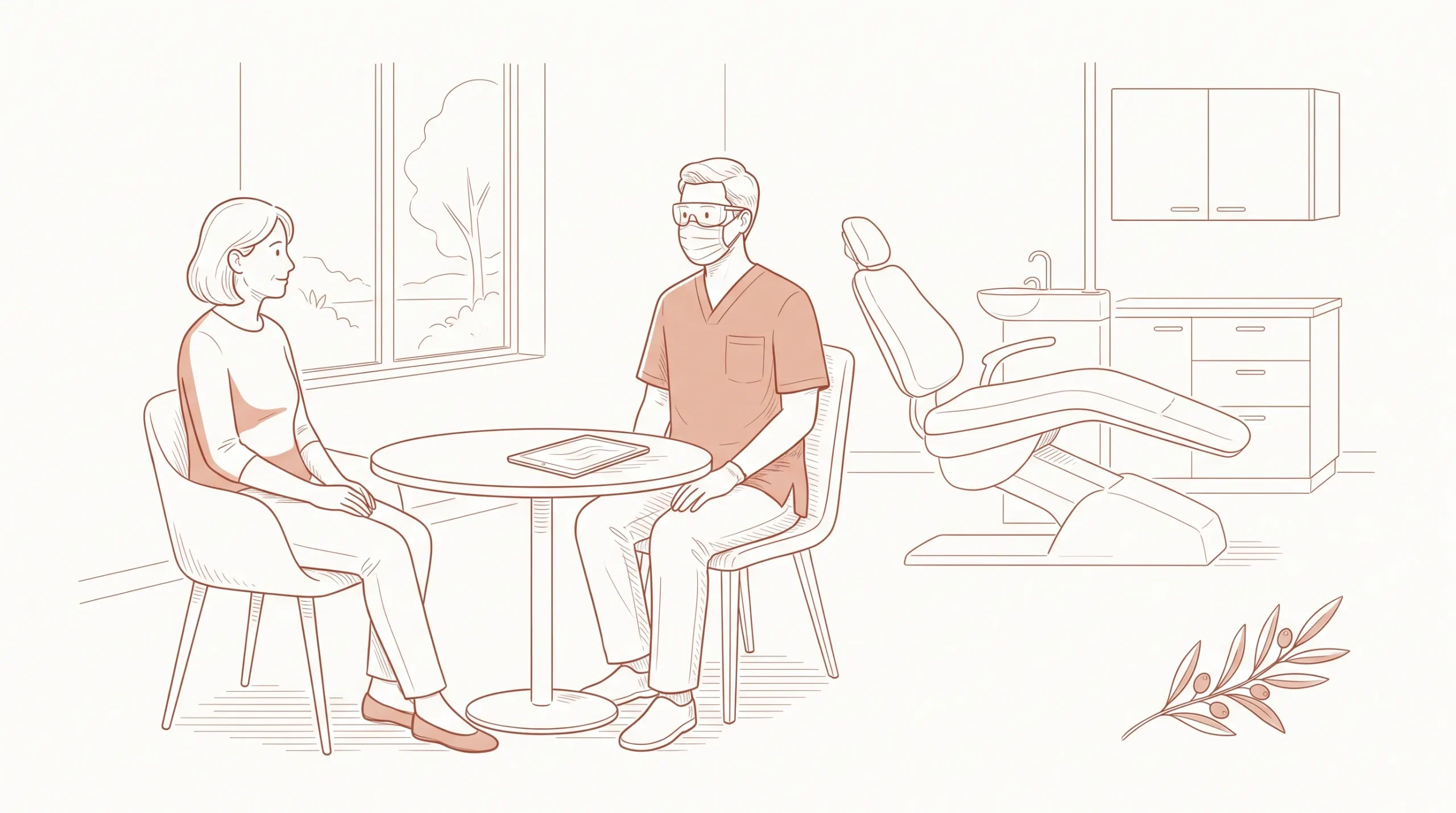
A first appointment commonly begins with a conversation. Your dentist may ask about your dental history, medical history, medications, allergies, previous dental experiences and current concerns. This is not just paperwork. It helps your dentist understand what may be safe, suitable and useful for you.
The clinical examination may include checking your teeth, gums, bite, jaw movement and soft tissues such as your tongue, cheeks and palate. Your dentist may also assess existing fillings, crowns, dentures or other dental work if you have them.
Dental X-rays may be recommended if your dentist needs to see areas that cannot be assessed properly by looking in the mouth alone. This may include the spaces between teeth, roots, bone levels or areas around existing restorations. X-rays are not always needed at every visit. Your dentist should explain why they are recommended and how the information may guide care.
A clean may be done at the same appointment if it is suitable and time has been allowed. In some cases, especially if there is significant build-up, gum inflammation or a more complex concern, cleaning or treatment planning may be arranged for another visit.
For general oral health information, the Australian Dental Association’s patient resource Teeth.org.au can be a useful place to read about common dental topics. Your own dentist, however, is the right person to interpret your symptoms and oral health in context.
How to prepare if you feel nervous
Feeling anxious before a dental visit is common, especially if it has been a long time, you have had an uncomfortable past experience, or you are worried about what the dentist may find. Letting the clinic know when you book can make a real difference because the appointment can be approached with more time for explanation and pauses.
You may find it helpful to agree on a stop signal with your dentist, such as raising your hand. This can help you feel more in control during an examination or procedure. You can also ask the dentist to explain what they are doing before they begin, or to keep explanations brief if too much detail makes you more anxious.
For some patients, anxiety is significant enough that additional support may be considered. CP Dental has information on fear of the dentist and IV sedation that explains why dental anxiety happens and how sedation may be discussed in suitable circumstances. Sedation is not appropriate for everyone, and a dentist must assess your medical history, treatment needs and individual risks before recommending it.
Preparing a child for their first visit
If the appointment is for a child, keep the explanation simple and calm. You might say the dentist will count their teeth, look at their gums and help keep their mouth healthy. Avoid using words that might create unnecessary worry, such as “needle”, “drill” or “hurt”, unless those words are needed for a truthful explanation of a known procedure.
Bring any comfort item that helps your child settle, as long as it will not interfere with the examination. If your child has a favourite question, such as what the chair does or whether they can see the mirror, let them ask. A gentle first experience can help a child become more familiar with dental visits over time.
Parents and carers may also find CP Dental’s guide to dental care for children useful for understanding home care, diet and early oral health habits.
Oral care in the days before your visit
There is no need to do anything extreme before a dental appointment. Brush and floss as you usually would, and avoid over-scrubbing your gums in an attempt to make things look better. Vigorous brushing can irritate the gum tissues and may make bleeding worse.
If you have pain, swelling or a broken tooth, avoid chewing hard foods on that side until you have been assessed. If a filling, crown or piece of tooth has come away, keep it if you still have it and bring it to the appointment. Do not try to glue anything back into place yourself.
If you would like a refresher on daily habits, CP Dental’s good dental hygiene tips cover brushing, flossing and other basics for maintaining oral health between visits.
Questions worth asking at your first dentist appointment
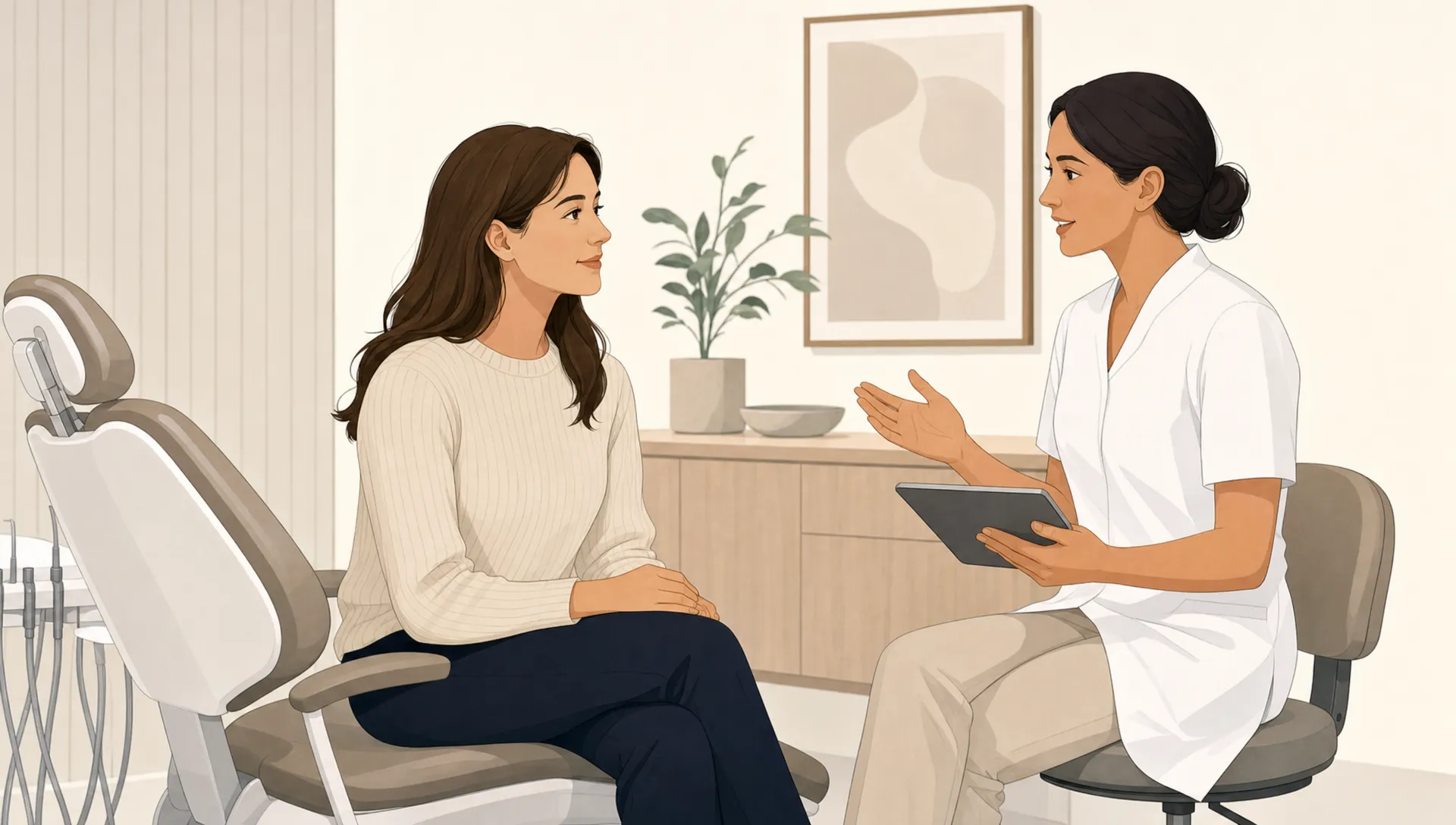
Many people forget their questions once they are in the chair, so it helps to write them down beforehand. Your dentist should be able to explain findings in plain language and discuss your options before treatment proceeds.
Useful questions include:
- What did you notice during the examination?
- Are any concerns urgent, or can they be monitored?
- What treatment options are available, and what are the pros and cons?
- What are the likely costs, timeframes and number of visits?
- Are there alternatives to the recommended treatment?
- What can I do at home to reduce the chance of the problem worsening?
You can also ask for a written treatment plan if more than one appointment is needed. This can help you consider the information, check health fund details and make decisions without feeling rushed.
If symptoms change before your appointment
If you booked a routine visit but your symptoms worsen, contact the clinic and explain what has changed. The appointment type or timing may need to be reviewed, especially if you develop signs that require prompt assessment.
Symptoms worth reporting include:
- Facial or gum swelling
- Dental pain that is worsening or affecting sleep
- A knocked-out, loose or broken tooth after an injury
- Uncontrolled bleeding from the mouth
- Fever or feeling generally unwell with a dental infection concern
If you have a medical emergency, call 000. For dental concerns that are not life-threatening but feel urgent, contact a dental clinic as soon as practical so you can be advised on the next appropriate step.
Choosing the right clinic and appointment type
For a first visit, the “right” appointment depends on why you are attending. A routine check-up is different from an emergency appointment, a cosmetic consultation or a review of a specific tooth. If you are unsure, describe your concern when booking rather than guessing.
It is also reasonable to compare practical details before booking, such as location, appointment options, services listed, accessibility and how clearly the clinic explains what to expect. If another part of Queensland is more convenient for you, checking the website of a local practice, such as The Dental Lounge Robina, can help you compare appointment information before deciding where to book.
At CP Dental, patients can book appointments across the Coopers Plains, Mater Hill and Emerald locations. Availability, appointment type and suitability for particular treatment options should be confirmed when booking.
What happens after your first visit?
At the end of the appointment, your dentist may explain that everything looks stable, suggest preventive care, recommend monitoring certain areas, or discuss treatment options. If treatment is recommended, you should be given enough information to understand the reason for it, the expected steps, possible benefits, limitations, risks, alternatives and likely costs.
Not every dental concern needs immediate treatment. Some early changes may be monitored with home care advice and follow-up. Other concerns, such as decay, gum disease, cracked teeth or infection, may need timely management to reduce the chance of worsening. Your dentist can explain what applies to your situation.
All dental procedures have potential risks and benefits, and experiences vary between patients. A clinical examination is needed before your dentist can recommend care that suits your oral health, medical history, anatomy and preferences.
Frequently Asked Questions
Do I need to brush my teeth before a dentist appointment? Brush as you normally would if you can, but do not worry if you are coming from work, school or another commitment. Your dentist can still examine your teeth and gums. Avoid aggressive brushing right before the visit, as this can irritate your gums.
Can I eat before my first dental appointment? For a routine examination or consultation, eating beforehand is usually fine. If you are booked for a procedure, sedation or treatment with specific instructions, follow the advice given by the clinic. If you are unsure, call before your appointment.
What if I have not seen a dentist for years? You can still book an appointment. Let the dentist know how long it has been and whether you have any concerns. The first visit is an opportunity to assess your oral health and discuss practical next steps, not to judge you.
Will I need X-rays at my first appointment? Not always. X-rays may be recommended if your dentist needs more information than a visual examination can provide. Your dentist should explain why they are suggested and how they may assist with diagnosis or planning.
Should I tell the dentist about medical conditions and medications? Yes. Medical conditions, allergies, pregnancy, past reactions and medications can affect dental treatment decisions. Bring a current list of medicines, including supplements, if possible.
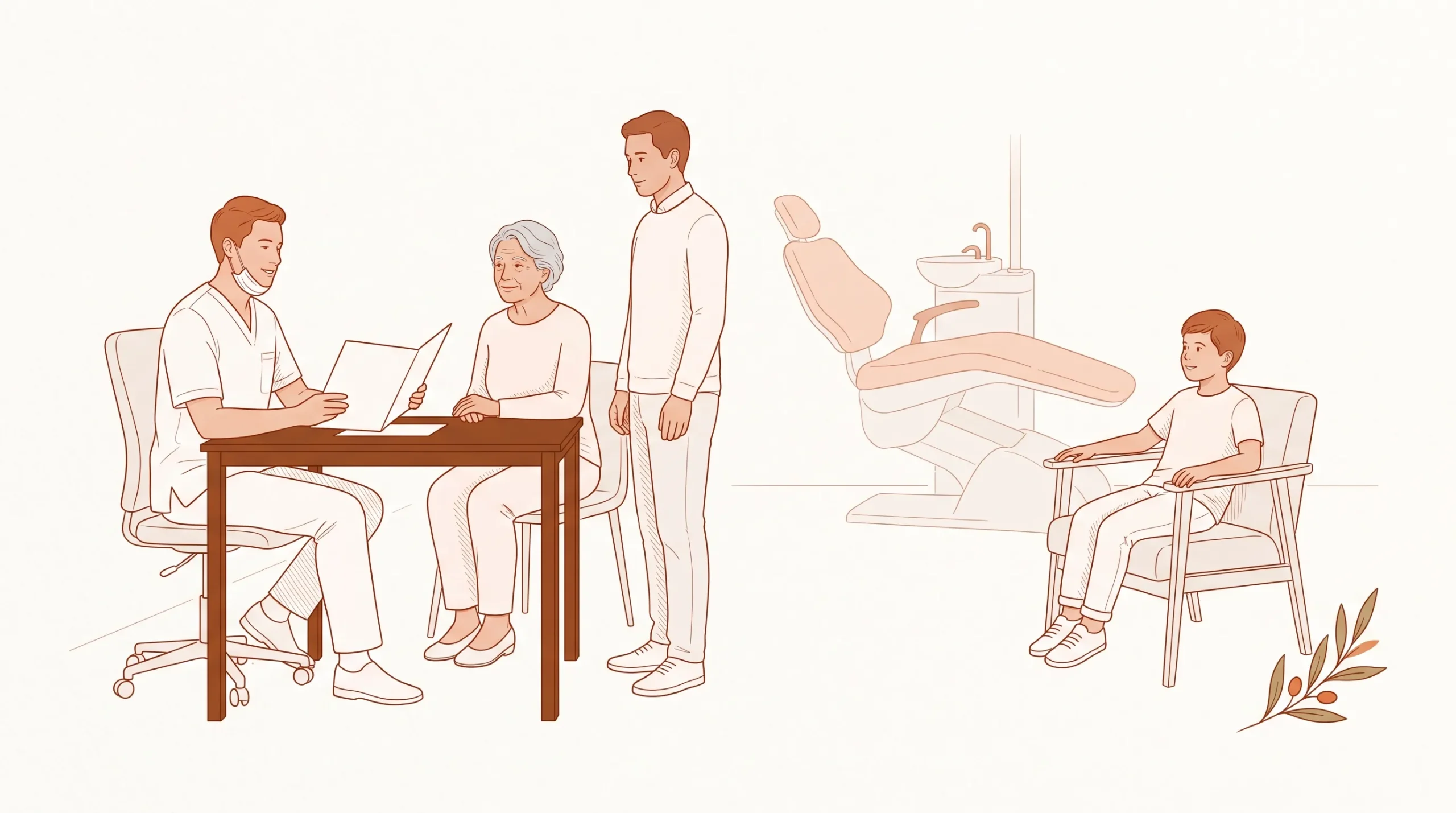
Can I bring someone with me? In many cases, bringing a support person is fine, especially if you feel anxious, need help understanding information, or are attending with a child. It is best to check with the clinic beforehand if you have specific needs.
Booking your first appointment with CP Dental
A first dental visit can help you understand what is happening in your mouth and what options may be appropriate. If you have symptoms, concerns about your teeth or gums, or simply want a routine check-up, a dental examination is a sensible starting point.
To discuss your concerns, you can book an appointment with CP Dental at the Coopers Plains, Mater Hill or Emerald location. The dentist can assess your oral health and explain the potential benefits, risks and alternatives for any treatment that may be recommended.