If you are looking for a dentist in Emerald, you may be dealing with two very different needs: something has gone wrong and you want advice soon, or you are trying to keep routine dental care on track. Both matter. Emergency dental care is about assessing symptoms, reducing further damage where possible and discussing suitable treatment options. Routine care is about prevention, early detection and planning treatment before a concern becomes harder to manage.
For patients in Emerald and the wider Central Highlands, including people who may travel from nearby communities such as Blackwater, Capella, Springsure or the Gemfields, it helps to know what is urgent, what can usually wait for a planned appointment and what to expect when you see a dentist.
When to see a dentist in Emerald urgently
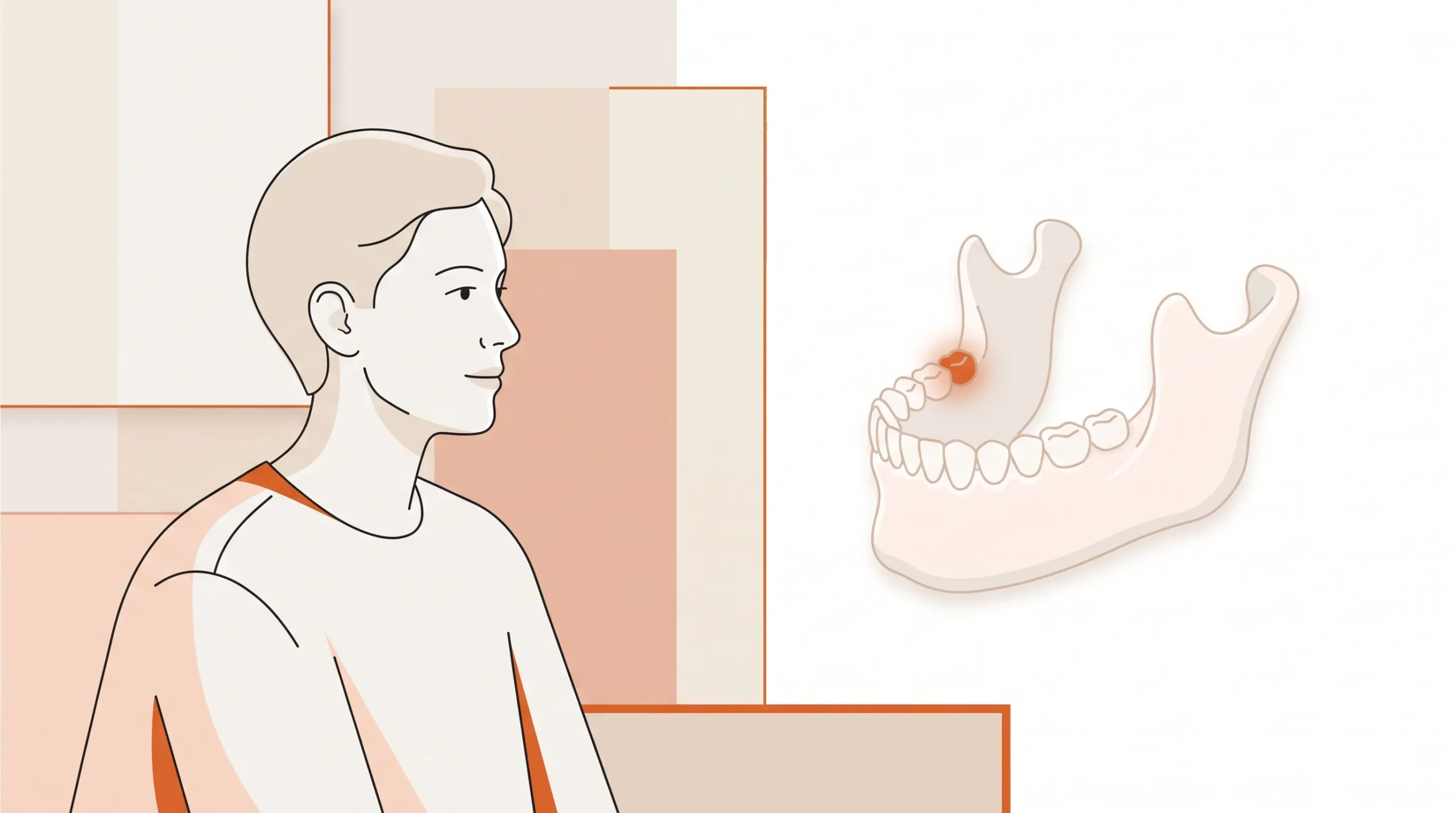
A dental emergency is not always dramatic. Sometimes it is a toothache that will not settle. Sometimes it is a cracked tooth, facial swelling, a knocked-out tooth or a filling that has broken away while eating. The safest approach is to contact a dental practice for advice if you are unsure, especially when symptoms are changing or interfering with eating, sleeping or daily activities.
Some dental concerns may need prompt professional assessment, including:
- Toothache that is severe, persistent or worsening
- Swelling in the gum, face or jaw
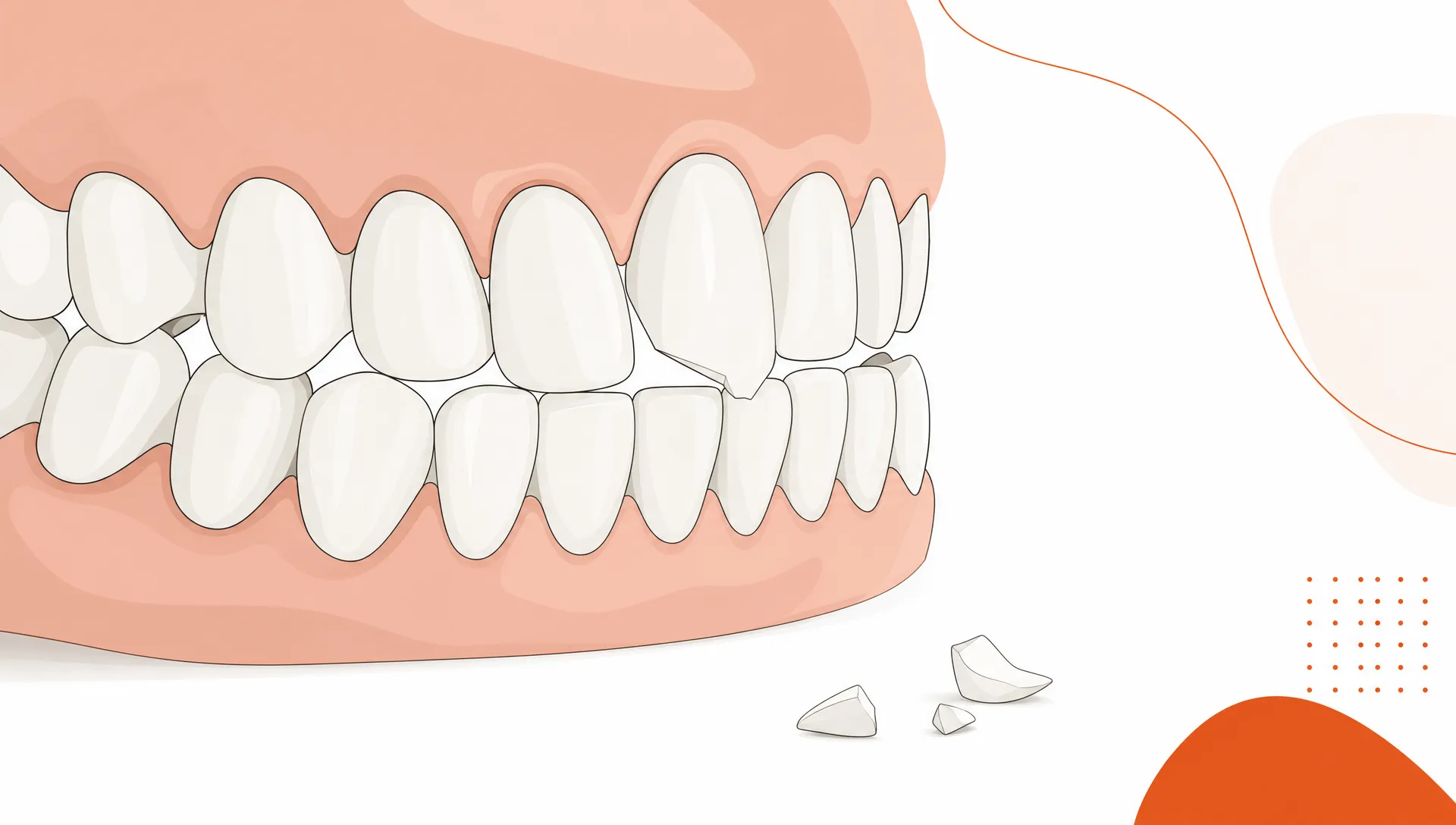
- A broken, cracked or knocked-out tooth
- Bleeding after an injury that does not settle with gentle pressure
- Pain when biting that is new or getting worse
- A lost filling, crown or temporary restoration that leaves the tooth sensitive
- Signs of infection, such as swelling, fever, a bad taste or feeling generally unwell
If swelling affects breathing, swallowing or your ability to open your mouth, this can be a medical emergency. In that situation, seek urgent medical care or call triple zero (000). Dental infections and facial swelling should be taken seriously because they can progress.
What to do before an emergency dental appointment
First aid will not replace dental treatment, but the right steps can help protect the tooth and make the situation easier to assess. Avoid testing a sore tooth, chewing on the affected side or placing aspirin directly on the gum, as this can irritate the soft tissues.
For a knocked-out adult tooth, hold it by the crown, which is the white part you normally see in the mouth. Do not scrub the root. If it is dirty, gently rinse it with milk or saline. If you can safely place it back in the socket, do so and bite gently on clean gauze or cloth. If that is not possible, store it in milk or saliva and contact a dentist as soon as possible. Baby teeth should not usually be replanted, but a dentist should still assess the child after the injury.
For a chipped or broken tooth, collect any fragments if you can and keep them moist. Rinse your mouth with warm water and use a cold compress on the outside of the face if there has been an injury. If a crown or filling comes out, keep the restoration and avoid using household glues or DIY repair products in your mouth.
If you want a simple overview to keep in mind, this article on dental emergency first-aid tips outlines common situations such as toothaches, chipped teeth, mouth trauma and dislodged crowns. The key message is sensible: stay calm, avoid unsafe home fixes and contact a dentist for advice.
Emergency or routine appointment: how to tell the difference
Not every dental concern needs urgent treatment on the same day, but delaying care for too long can sometimes make options more limited. The table below gives a general guide only. Your dentist needs to assess your mouth, symptoms and medical history before recommending treatment.
| Concern | Often more urgent | Often suitable for a routine appointment |
|---|---|---|
| Toothache | Severe, constant, waking you at night or linked with swelling | Mild sensitivity that comes and goes |
| Broken tooth | Sharp edges, pain, exposed inner tooth or injury | Small chip with no pain or soft tissue trauma |
| Gum issue | Swelling, pus, fever or spreading pain | Occasional bleeding when brushing |
| Lost crown or filling | Pain, exposed tooth, recent trauma or difficulty eating | No pain, but needs review to protect the tooth |
| Cosmetic concern | Trauma, cracked restoration or sudden change | Gradual changes in tooth colour, shape or spacing |
This guide is not a diagnosis. If you are unsure where your concern sits, it is reasonable to contact the practice and describe your symptoms clearly.
What routine dental care can help with
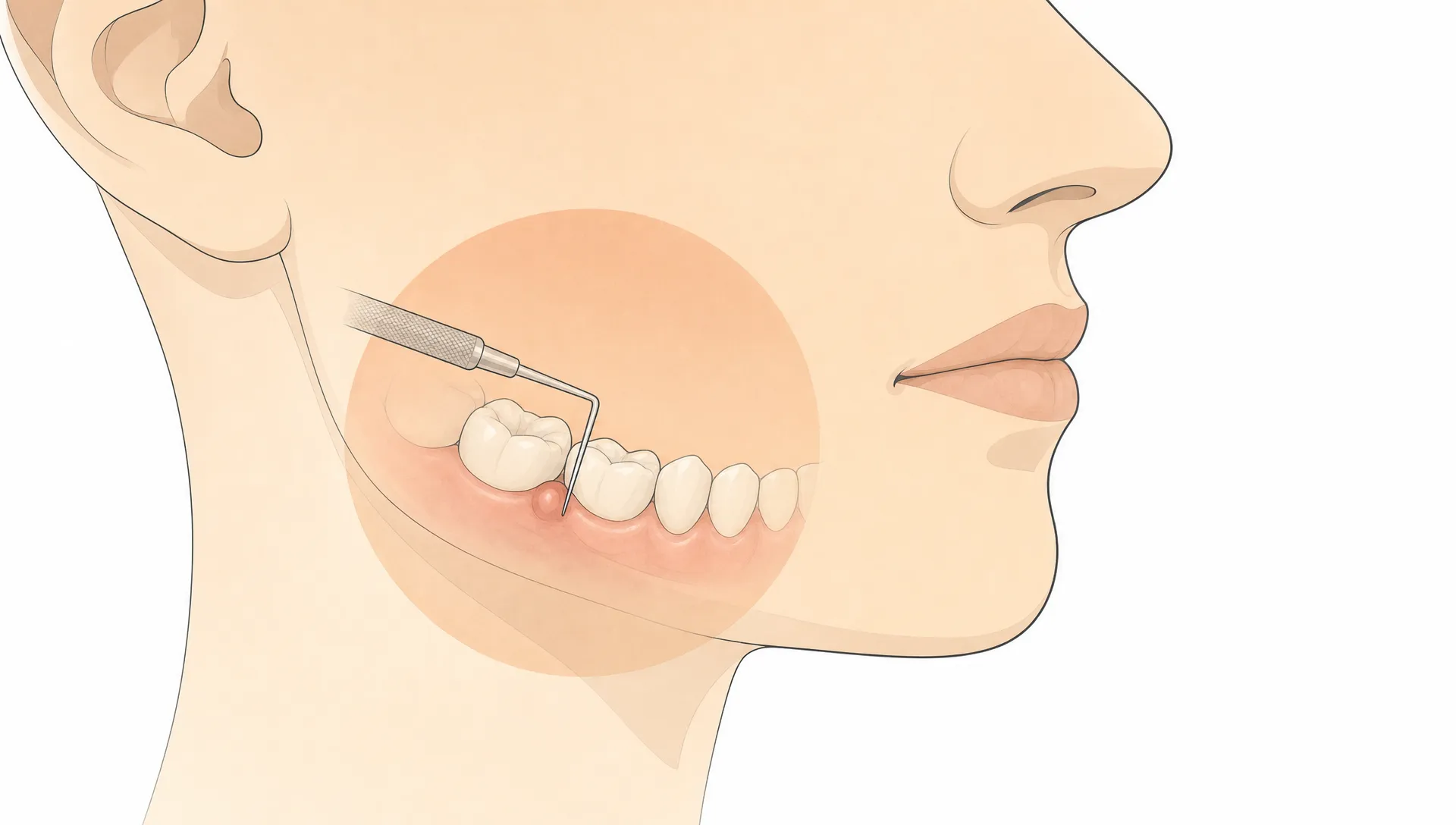
Routine care is not only about cleaning teeth. It gives your dentist a chance to check the teeth, gums, jaw joints, bite and existing dental work. Your dentist may also look for signs of tooth wear, gum disease, decay, infection or changes in the soft tissues of the mouth.
For many people, routine appointments include an examination, professional cleaning and oral hygiene advice. X-rays may be recommended when the dentist needs to see areas that are not visible during a normal examination, such as between teeth or around the roots. The timing of check-ups varies. Some people need reviews more often due to gum disease, a high decay risk, dry mouth, medical conditions, medications or previous dental treatment.
Routine care can be especially useful for families because children, teenagers, adults and older adults often have different dental risks. CP Dental offers kids dentistry, and parents can read more about age-appropriate prevention in CP Dental’s guide to dental care for children.
What happens during an appointment at CP Dental Emerald
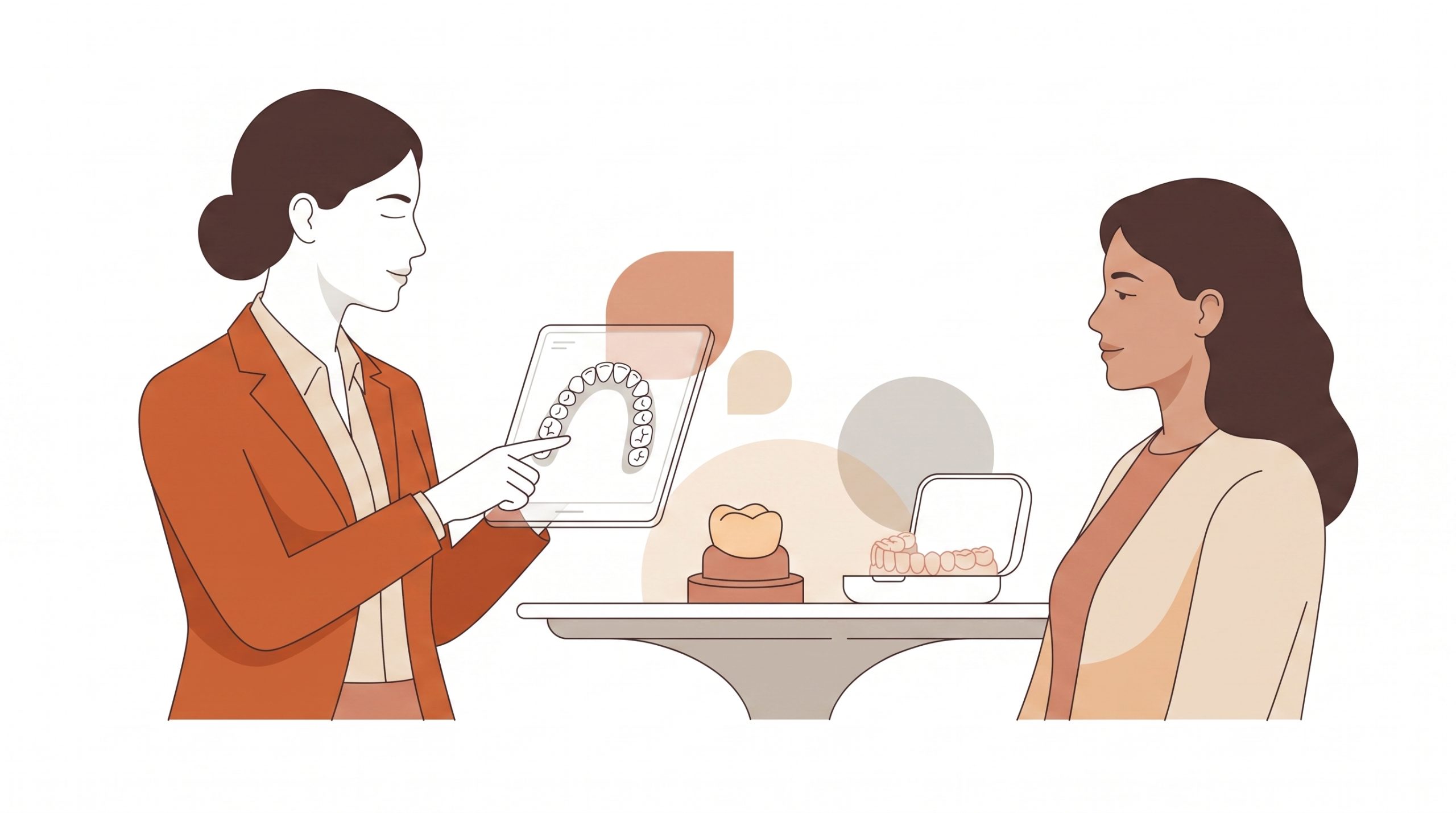
An appointment usually begins with a conversation about what has brought you in. For emergency concerns, the dentist will want to know when symptoms started, whether the pain is sharp or dull, what makes it better or worse and whether there has been an injury. For routine care, the discussion may focus on oral hygiene, previous dental work, medical history and any changes you have noticed.
The dentist will then examine the area of concern and may check surrounding teeth, gums and your bite. If more information is needed, X-rays or other assessment steps may be discussed. After the assessment, your dentist can explain what they have found, what the likely options are and the potential benefits, limitations and risks of each option.
Depending on the situation, treatment options might include monitoring, a filling, a dental crown, root canal treatment, extraction, gum treatment, a mouthguard, cosmetic care or referral for more complex care. Not every option is suitable for every person. Suitability depends on the tooth structure, gum health, symptoms, medical history, treatment goals, cost considerations and your preferences.
If a damaged or heavily restored tooth may need stronger protection, your dentist may discuss a crown. CP Dental has a general article explaining what a dental crown procedure may involve, although your own treatment plan would depend on a clinical assessment.
Emergency treatment can lead into longer-term planning
Emergency dental care often focuses first on the immediate problem. That might mean relieving pressure from an infection, smoothing a sharp edge, placing a temporary restoration, managing pain, stabilising an injured tooth or discussing whether a tooth can be repaired.
In some cases, a follow-up appointment is needed. This is not unusual. A tooth that has cracked, become infected or lost a large filling may require more than a quick repair. Your dentist may need to review symptoms after initial care, check healing or plan a more durable restoration.
This is where emergency and routine care overlap. Once the urgent issue is assessed, routine planning can help reduce the chance of repeated breakages or unresolved symptoms. For example, a person who grinds their teeth may need the cause of repeated chips assessed, while someone with frequent tooth decay may benefit from a prevention plan that looks at diet, fluoride, dry mouth and cleaning habits.
Cosmetic and restorative care after an urgent concern
Some people first book because a tooth has broken, a front tooth has chipped or an old restoration no longer looks or feels right. After the tooth has been assessed, cosmetic or restorative options may be discussed if they are clinically appropriate.
Restorative dentistry focuses on repairing or rebuilding teeth so they function more comfortably and predictably. Cosmetic dentistry focuses on the appearance of teeth, such as colour, shape, spacing or proportions. These areas can overlap, but they are not the same. A chipped front tooth, for example, may need both strength and appearance considered.
Possible options may include tooth-coloured fillings, crowns, veneers, whitening or orthodontic treatment, depending on the concern. Each option has limits. Teeth whitening does not change the colour of fillings, crowns or veneers. Veneers and crowns involve changes to tooth structure. Orthodontic treatment takes time and requires ongoing maintenance. Your dentist can explain which options may be suitable, along with alternatives and the likely maintenance involved.
Planning dental care in a regional Central Queensland routine
Living and working in Central Queensland can make appointment planning feel different from a larger city setting. Work rosters, school commitments, travel from nearby towns and seasonal demands can all affect when people seek care. If a dental issue is not urgent, booking routine appointments ahead of time can make it easier to keep preventive care consistent.
It can also help to keep a short note of symptoms before your appointment. Write down when the problem started, which tooth or area is affected, whether the pain responds to over-the-counter pain relief and whether hot, cold, sweet foods or biting make it worse. For children, note whether they are avoiding food, waking at night or pointing to one side of the mouth.
If you take regular medicines, have allergies, are pregnant, have a heart condition, diabetes, a bleeding disorder or have had recent surgery, let the dental team know. These details can affect treatment planning and the timing of care.
Questions to ask before choosing a treatment option
Good dental decisions are easier when you understand the purpose of treatment and the trade-offs. Before agreeing to a procedure, consider asking:
- What is the likely cause of the problem?
- What happens if I monitor it for now?
- What are the treatment options and alternatives?
- What are the possible risks or complications?
- How long might the treatment take, including follow-up visits?
- What maintenance will be needed afterwards?
- Are there any costs I should understand before starting?
Your dentist should be able to explain the recommendation in plain language. If you are unsure, it is reasonable to ask for the information again or request time to consider your options, unless the situation needs urgent medical or dental attention.
Frequently asked questions
What counts as a dental emergency? A dental emergency may include severe toothache, facial swelling, a knocked-out tooth, dental trauma, uncontrolled bleeding, a broken tooth with pain or signs of infection. If breathing or swallowing is affected, seek urgent medical care or call triple zero (000).
Can I wait and see if tooth pain settles on its own? Mild sensitivity can sometimes be short-lived, but persistent, worsening or severe tooth pain should be assessed. Pain can come from decay, cracks, gum problems, infection or other causes, and the right treatment depends on diagnosis.
How often should I book routine dental visits? The timing varies from person to person. Some people benefit from six-monthly reviews, while others may need more or less frequent care depending on gum health, decay risk, medical conditions, medications and previous dental work.
What should I bring to an emergency dental appointment? Bring a list of medications, details of any allergies, your health fund card if relevant and any broken tooth fragments, crowns, fillings or appliances. If there has been an injury, explain when and how it happened.
Can a dentist fix a broken tooth in one appointment? Sometimes a small chip can be repaired in one visit, but larger fractures may need staged treatment, a crown, root canal treatment or extraction. Your dentist can assess the tooth and explain which options may be appropriate.
Book an appointment with CP Dental Emerald
A dental examination can help determine the cause of your symptoms and which options may be appropriate. To discuss emergency or routine dental concerns, you can book an appointment with CP Dental and arrange an assessment with the team at CP Dental Emerald.