When people search for a cosmetic dental clinic, they usually want a clear answer: what can actually be done, and how do you know whether it is right for you? A cosmetic dental clinic may provide treatments that change tooth colour, shape, position, spacing or visible tooth structure. Some treatments are relatively simple, such as whitening. Others involve restorative or orthodontic care, especially when teeth are worn, damaged, crowded or missing.
Good cosmetic dentistry starts with health, not appearance alone. Your dentist needs to check your teeth, gums, bite and medical history before recommending any option. A treatment that suits one person may not suit another, even when the visible concern looks similar.
What can a cosmetic dental clinic provide?
Cosmetic dental care covers a broad range of treatments. Some are mainly aesthetic, such as whitening stained teeth. Others improve both appearance and function, such as a crown for a heavily restored tooth or orthodontic treatment for crowded teeth.
| Treatment area | What it may involve | Often considered when |
|---|---|---|
| Teeth whitening | Dentist-supervised whitening to lighten tooth shade | Teeth are healthy but stained or darker than preferred |
| Composite bonding | Tooth-coloured resin shaped directly on the tooth | Small chips, minor gaps or uneven edges are present |
| Veneers | Thin coverings placed on the front of selected teeth | Shape, colour or surface concerns may not respond to whitening alone |
| Crowns | A custom-made covering that fits over a prepared tooth | A tooth is weakened, heavily filled, cracked or needs structural support |
| Aligners or braces | Orthodontic treatment to move teeth gradually | Crowding, spacing or bite concerns affect tooth position |
| Tooth replacement | Options may include implant crowns, bridges or dentures | One or more teeth are missing and replacement is clinically suitable |
| Tooth-coloured restorations | Fillings or restorations matched to the tooth shade | Decay, old fillings or damaged tooth structure need repair |
If you are trying to compare several cosmetic options, CP Dental has a separate guide on whether whitening, veneers, bonding, crowns, aligners or braces may suit different smile goals. The right choice depends on the reason for the concern, not just the way the teeth look in the mirror.
Common treatments offered by a cosmetic dental clinic
Teeth whitening
Teeth whitening is often considered when teeth are healthy but have become stained by food, drinks, smoking, ageing or other causes. Professional whitening does not change the shape or position of teeth. It also does not lighten crowns, veneers or fillings in the same way as natural enamel.
Before whitening, a dentist may check for decay, cracks, gum issues, exposed roots or sensitivity. Whitening can cause temporary tooth sensitivity or gum irritation for some people, so it is not something to start without understanding the possible risks. The Australian Dental Association patient resource Teeth.org.au provides general oral health information that can help patients understand common dental topics before an appointment.
Composite bonding
Composite bonding uses tooth-coloured resin to reshape or repair part of a tooth. It may be considered for small chips, slightly uneven edges, minor spacing or localised shape concerns.
Bonding is generally more conservative than some indirect restorations because less tooth structure may need to be removed. It also has limitations. Composite resin can stain, chip or wear over time, and it may not be suitable where a tooth has major structural damage, heavy bite forces or extensive existing restorations.
Veneers
Veneers are thin facings placed over the front surface of selected teeth. They may be made from porcelain or composite resin. Veneers are often discussed when concerns relate to tooth shape, surface texture, colour or small alignment irregularities.
Veneers are not the right answer for every cosmetic concern. Some cases may be better managed with whitening, bonding, orthodontic treatment or no treatment at all. Porcelain veneers often require preparation of the tooth surface, which means the decision should be made carefully after discussing long-term maintenance, repair options and potential risks.
Crowns
A dental crown covers the visible part of a tooth. It may be recommended when a tooth needs more support than a filling can provide, such as after a large filling, fracture, root canal treatment or significant wear. Crowns can also affect appearance because they are made to blend with surrounding teeth, but they are usually considered a restorative treatment first.
A crown involves preparing the tooth so the restoration can fit over it. Because this changes the tooth permanently, your dentist will consider whether a crown is clinically justified or whether a more conservative option may be suitable.
Clear aligners, braces and tooth position
Cosmetic concerns are sometimes related to tooth position rather than tooth colour or shape. Crowding, gaps, rotations or bite concerns may need orthodontic assessment. Clear aligners or braces can gradually move teeth, although suitability depends on the complexity of the case, gum health, tooth roots, bone support and patient factors such as compliance with aligner wear.
If the main concern is spacing, this CP Dental article on ways to fix a gap in teeth explains why orthodontics, bonding, veneers and crowns can have different roles depending on the cause of the gap.
Replacing missing teeth
A missing tooth can affect the way a smile looks, but it can also affect chewing, speech, tooth movement and bite balance. Cosmetic dental clinics may discuss replacement options such as dental implants, bridges or dentures. Dental implants involve surgery and are not suitable for every patient. Your dentist will need to assess bone levels, gum health, medical history, smoking status, medications and oral hygiene before discussing whether implant treatment may be appropriate.
What usually happens at a cosmetic dental appointment?
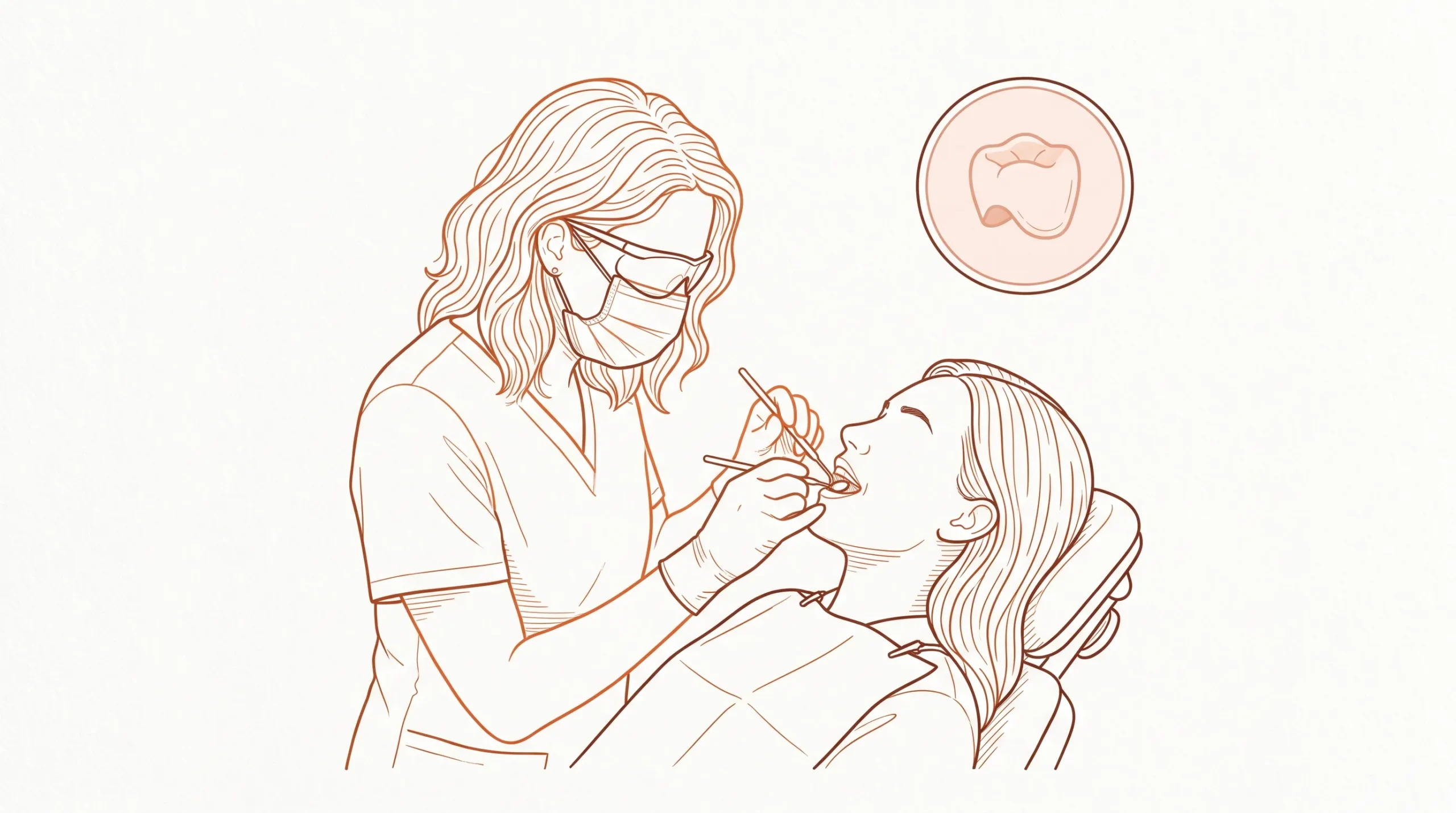
A cosmetic dental appointment is not just a conversation about shade guides or tooth shape. It is a clinical assessment to understand what is happening and what options are reasonable.
A typical appointment may include these steps:
- Discussion of your concerns: Your dentist will ask what you would like to change, how long the concern has been present and whether there are symptoms such as pain, sensitivity, bleeding gums or difficulty chewing.
- Oral health examination: The dentist checks teeth, gums, existing fillings, bite and soft tissues. Cosmetic treatment may need to wait if decay, gum disease or infection is present.
- Records where needed: Photos, X-rays, scans or impressions may be recommended when they are clinically useful for planning. Not every patient needs the same records.
- Explanation of options: Your dentist can explain possible treatments, alternatives, expected maintenance and limitations. Sometimes the most suitable option is the least invasive one.
- Treatment planning and consent: Before proceeding, you should understand the likely steps, costs, risks, recovery considerations and what may happen if no treatment is chosen.
For patients who feel anxious or who are considering longer procedures, it is reasonable to ask about comfort measures or sedation options. Suitability for sedation also requires an individual assessment and medical history review.
How dentists decide which cosmetic treatment may be suitable
Cosmetic dentistry is rarely a one-size-fits-all decision. The same visible issue can have several possible causes. For example, a dark tooth may be stained on the surface, discoloured internally, heavily filled or affected by previous trauma. Each cause may need a different approach.
| Assessment factor | Why it matters |
|---|---|
| Gum health | Inflamed or unstable gums can affect treatment timing and long-term maintenance |
| Tooth structure | Cracks, large fillings or wear may limit conservative cosmetic options |
| Bite forces | Grinding or clenching can increase the risk of chips, fractures or restoration wear |
| Tooth position | Some cosmetic concerns are better addressed by moving teeth rather than covering them |
| Existing restorations | Fillings, crowns and veneers do not whiten like natural teeth |
| Medical history | Some conditions and medications may affect healing, bleeding risk or treatment suitability |
| Maintenance needs | Different treatments require different care, reviews and possible future replacement |
This is why a dentist may recommend treating decay, gum inflammation or bite issues before starting cosmetic work. That can feel slower, but it helps create a more stable foundation for any appearance-focused treatment.
Benefits, limits and risks to understand
Cosmetic dentistry may help improve tooth colour, proportions, alignment or the way teeth fit with the face. It can also restore damaged tooth structure when treatment is clinically indicated. However, all dental procedures carry potential risks and benefits, and treatment experiences vary between patients.
Common limitations include:
- Whitening does not work on all discolouration: Internal staining, old restorations and some developmental colour changes may respond differently.
- Bonding may need repair or replacement: Composite resin can stain, chip or wear, especially in high-pressure areas.
- Veneers and crowns may involve tooth preparation: This can be irreversible, so the decision should be carefully considered.
- Orthodontic treatment takes time: Teeth move gradually, and retainers are usually needed after treatment to help maintain position.
- Implants involve surgery: Healing, bone support and general health all affect suitability and planning.
It is also possible that no cosmetic treatment is recommended straight away. If your teeth and gums need stabilising first, your dentist may suggest general dental care before planning cosmetic changes.
How to choose between cosmetic dental options
A helpful starting point is to describe what bothers you in plain language. You do not need to know the treatment name before seeing a dentist. For example, you might say that a tooth looks darker than the others, a filling is visible when you smile, a front tooth has chipped or your teeth feel crowded.
From there, your dentist can explain what is possible and what the trade-offs are. A conservative option may be suitable for a small concern, while a more involved treatment may be considered when there are structural or functional issues as well.
Questions worth asking include:
- What is causing the concern?
- Are my teeth and gums healthy enough for treatment now?
- What are the conservative options?
- What are the risks, maintenance needs and alternatives?
- How might this treatment affect future dental work?
- What could happen if I choose not to proceed?
If whitening is part of your plan, long-term habits matter too. CP Dental has practical information on how to keep teeth white after whitening or general dental care.
Frequently Asked Questions
Is cosmetic dentistry only about appearance? Not always. Some cosmetic concerns overlap with restorative or orthodontic needs. For example, a crown may improve appearance while also protecting a weakened tooth, and orthodontic treatment may change tooth position while also affecting bite function.
Do I need healthy teeth and gums before cosmetic treatment? In many cases, yes. Decay, gum disease, infection or unstable dental problems should usually be assessed and managed before cosmetic treatment is planned. Your dentist can explain the safest order of care for your situation.
Is whitening better than veneers? Whitening and veneers do different things. Whitening can lighten natural tooth enamel, while veneers can change the visible surface, shape or colour of selected teeth. Veneers are more involved and may require tooth preparation, so they are not automatically a better option.
Can a cosmetic dental clinic fix chipped teeth? A dentist may consider composite bonding, a veneer, a crown or another restoration depending on the size of the chip, tooth strength, bite forces and whether the nerve of the tooth is affected. A clinical examination is needed before recommending treatment.
How long do cosmetic dental treatments last? Longevity varies by treatment type, oral hygiene, diet, bite forces, maintenance, materials used and individual circumstances. Some treatments may need repair, replacement or review over time.
Can I combine several treatments? Sometimes. A plan might involve whitening before bonding, orthodontic treatment before veneers or general dental care before cosmetic work. Combining treatments should only be considered after assessment, with a clear explanation of benefits, risks, costs and alternatives.
Considering cosmetic dental care?
A dental examination can help determine the cause of your concern and which options may be appropriate. Your dentist can assess your oral health, discuss possible treatments and explain the potential benefits, limitations and risks before you decide what to do next.
To discuss your concerns, you can book an appointment with the team at CP Dental at the Coopers Plains, Mater Hill or Emerald location.