If you have searched for a wisdom dentist because pain, swelling or a bad taste keeps returning around your back teeth, it is worth arranging a dental assessment. Wisdom teeth can be quiet for years, but they can also become difficult to clean, partly trapped under the gum or angled against nearby teeth. A dentist can check what is happening and explain whether monitoring, cleaning, medication, removal or referral may be appropriate.
The Australian Dental Association’s patient information site, Teeth.org.au, describes wisdom teeth as the third molars at the very back of the mouth. They often come through in the late teens or early adulthood, although timing varies and some people never develop all four.
Problem wisdom teeth: signs worth checking
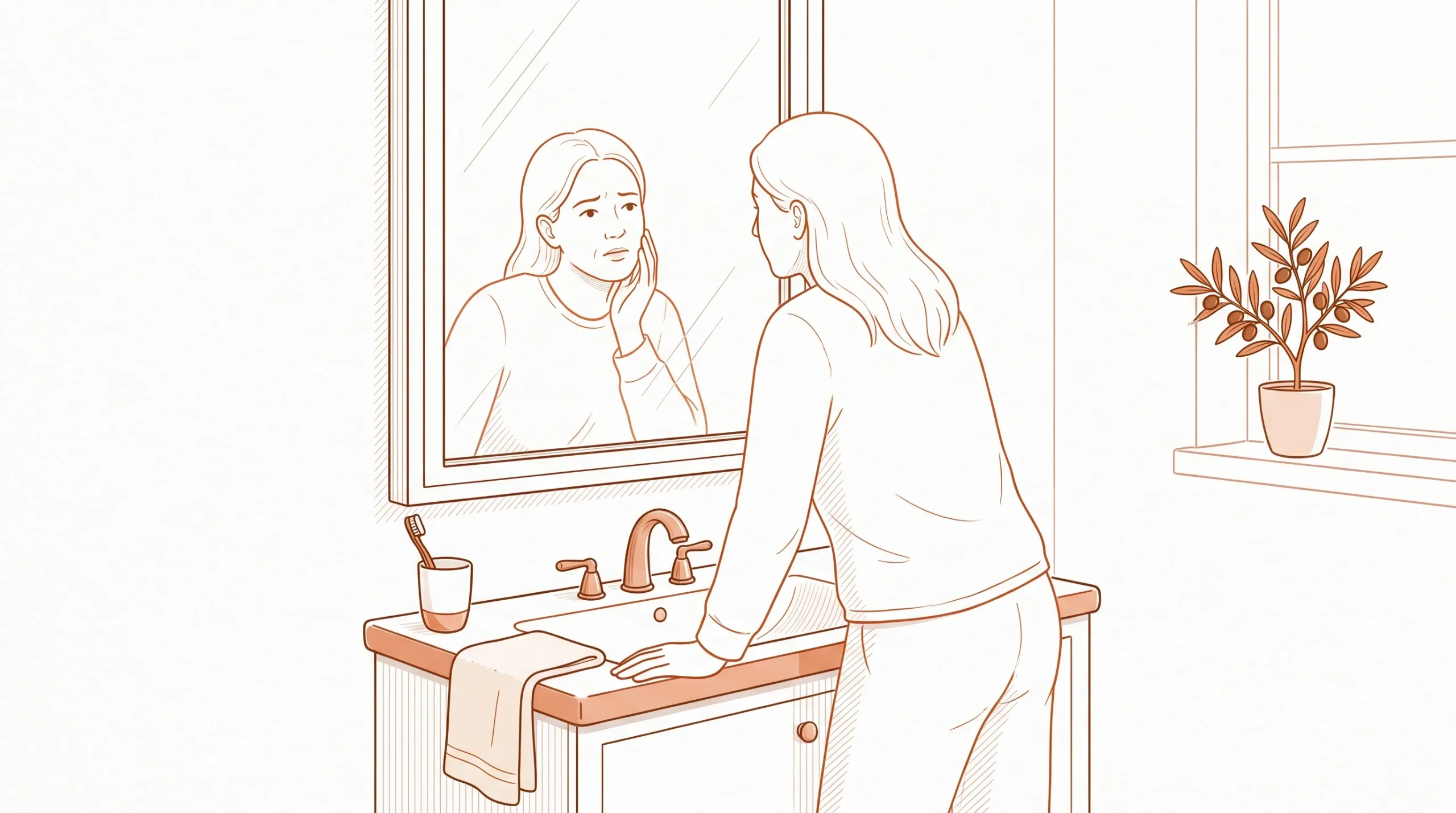
Not every ache at the back of the mouth means a wisdom tooth needs to be removed. Sometimes the issue is gum irritation, food trapping or pressure as the tooth erupts. Other times, the tooth may be impacted, which means it cannot come through properly because of its angle, lack of space or surrounding gum.
A wisdom dentist should assess symptoms that are persistent, recurring or affecting everyday activities such as eating, brushing or opening your mouth comfortably.
| Symptom | What it may suggest | When to arrange care |
|---|---|---|
| Pain at the back of the jaw | Gum inflammation, decay or pressure from eruption | If it lasts more than a couple of days, returns often or worsens |
| Swelling around the gum or cheek | Infection or inflammation around a partly erupted tooth | Promptly, especially if swelling is increasing |
| Bad taste, bad breath or pus | Food trapping or possible infection | As soon as practical for assessment |
| Difficulty opening the mouth | Jaw muscle irritation, infection or inflammation | Promptly, especially with fever or swelling |
| Pain in the neighbouring tooth | Decay, gum pocketing or pressure against the second molar | Book an examination and X-rays if advised |
Mild discomfort versus symptoms that need a dental appointment
Mild tenderness can sometimes occur as a wisdom tooth pushes through the gum. Keeping the area clean, brushing gently with a soft toothbrush and rinsing with warm salty water may help reduce irritation in the short term. These measures do not replace a dental examination if symptoms continue.
Book a dental appointment if discomfort keeps coming back, if you notice a flap of gum over the tooth that traps food or if the tooth is difficult to clean. Repeated inflammation around a partly erupted wisdom tooth is sometimes called pericoronitis. It can settle and then flare again, particularly when food and bacteria collect under the gum flap.
A broader overview of daily care and warning signs is available in CP Dental’s guide to wisdom tooth care and when to see a dentist.
What a wisdom dentist can assess at your appointment
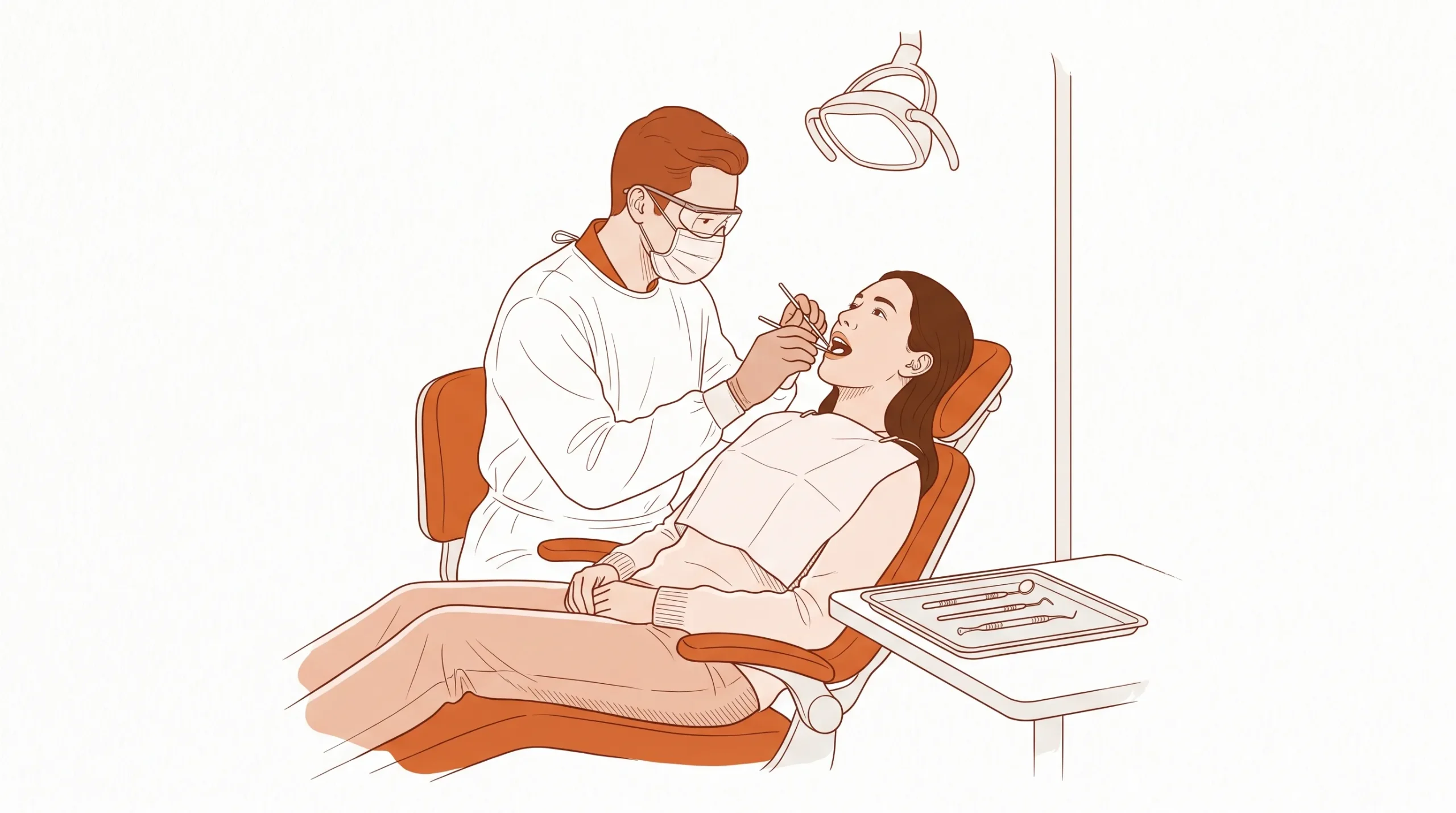
A dental visit for wisdom tooth concerns is usually focused on finding the cause of the symptoms, not assuming removal is needed. Your dentist may ask when the discomfort started, whether it comes and goes, whether there has been swelling and whether you have had previous wisdom tooth issues.
The examination may include checking the gum around the back molars, looking for decay, testing how comfortably you can open your mouth and assessing nearby teeth. Dental X-rays may be recommended to see the angle of the wisdom tooth, how much of it is covered by gum or bone and how close it sits to nearby structures.
A wisdom dentist may also discuss your medical history, current medications and any previous reactions to dental treatment. This matters because treatment planning can differ for people with certain medical conditions, pregnancy, bleeding risks or anxiety about dental procedures.
If the tooth position looks complex, or if removal may involve higher surgical risk, your dentist may discuss referral to an oral and maxillofacial surgeon or another appropriately qualified practitioner. Referral does not mean something is wrong. It simply means the safest and most suitable pathway depends on the individual situation.
When problem wisdom teeth may need prompt care
Some symptoms should be assessed quickly because infection or swelling around a wisdom tooth can occasionally spread. Contact a dentist promptly if you have facial swelling, increasing jaw swelling, fever, pus, worsening pain or difficulty opening your mouth.
Seek urgent medical care, or call 000 in Australia, if you have difficulty breathing, difficulty swallowing, swelling that is spreading toward the eye or throat or you feel seriously unwell. These situations are uncommon, but they should not be watched at home.
In some cases, extraction may be considered when a wisdom tooth is badly decayed, repeatedly infected, damaging the tooth in front or unable to be cleaned properly. However, extraction is not the only possible response to every wisdom tooth problem. CP Dental has a separate article on when an emergency tooth extraction may be needed and when other options may be discussed.
Treatment options your dentist may discuss
Treatment depends on your symptoms, oral health, tooth position, X-ray findings and personal circumstances. Your dentist should explain the likely benefits, limitations, risks and alternatives before you decide how to proceed.
Common options may include monitoring, cleaning around the tooth, managing gum inflammation, antibiotics where there are signs of bacterial infection or wisdom tooth removal if it is clinically appropriate. Antibiotics are not usually a long-term solution for a tooth that keeps becoming infected, and they are not needed for every flare-up.
For some people, a wisdom dentist may suggest reviewing the tooth over time if it is fully erupted, easy to clean and not affecting nearby teeth. For others, removal may be considered if problems are recurring or there is a clear risk to the neighbouring molar.
If removal is recommended, the appointment discussion may include the type of anaesthetic, expected recovery, possible swelling, bleeding, dry socket, infection, nerve-related changes and the usual aftercare instructions. Treatment experiences and healing times vary between patients. If you are planning or recovering from removal, CP Dental’s article on pain after wisdom teeth removal outlines common aftercare steps and when to seek further advice.
Wisdom teeth in teens and young adults
Wisdom teeth are commonly assessed during the late teenage years and early adulthood because this is when they often start to erupt. An assessment at this stage can be useful if there is crowding at the back of the mouth, repeated gum soreness or uncertainty about whether the teeth have enough room.
That said, not all teenagers or young adults need wisdom teeth removed. Preventive removal is a clinical decision that should be made after an examination and, where needed, X-rays. The choice depends on tooth position, symptoms, risk of future problems and the person’s overall oral health.
Parents and young adults may also find CP Dental’s guide to oral health for teens and young adults useful, particularly when planning routine dental visits around study, work or sport commitments.
How to prepare for a wisdom tooth appointment
A little preparation can make the consultation easier and help your dentist give advice that fits your circumstances.
Bring or be ready to discuss:
- When the symptoms started and whether they are getting better or worse
- Any swelling, fever, bad taste, pus or difficulty opening your mouth
- Current medicines, allergies and medical conditions
- Previous dental X-rays, if you have them available
- Questions about monitoring, removal, anaesthetic options, recovery and costs
If you are anxious about dental treatment, let the practice know when booking or when you arrive. Anxiety is common, and your dentist can talk through the appointment before examining the area. CP Dental provides general, emergency, cosmetic and restorative dental care across its Queensland locations, including services such as wisdom tooth assessment and sedation options where suitable. Availability and suitability should be confirmed at the time of booking.
Frequently Asked Questions
Is a wisdom dentist different from a general dentist? In Australia, “wisdom dentist” is not a separate recognised specialty. Most people use the phrase to mean a dentist who can assess wisdom teeth, arrange X-rays if needed and discuss suitable care options. More complex cases may be referred to an appropriately qualified practitioner, such as an oral and maxillofacial surgeon.
Do all wisdom teeth need to be removed? No. Some wisdom teeth come through fully, are easy to clean and do not cause symptoms. Removal may be considered when there are problems such as recurring infection, decay, gum disease, cyst-related concerns or effects on nearby teeth. A clinical assessment is needed before recommending treatment.
Can wisdom tooth pain go away by itself? Mild gum irritation may settle, especially if the area is kept clean. Pain that returns, worsens or comes with swelling, bad taste, fever or difficulty opening the mouth should be assessed. Temporary improvement does not always mean the underlying issue has resolved.
When is wisdom tooth pain an emergency? Seek prompt dental advice for severe pain, swelling, pus, fever or difficulty opening your mouth. Seek urgent medical care if you have difficulty breathing or swallowing, rapidly spreading swelling or feel seriously unwell.
What will happen if removal is recommended? Your dentist should explain why removal is being considered, what the procedure may involve, possible risks, alternatives and expected recovery. You should have the opportunity to ask questions before deciding whether to proceed.
Speak with CP Dental about problem wisdom teeth
A dental examination can help determine whether your symptoms are coming from a wisdom tooth and which options may be appropriate. Your dentist can assess your oral health, explain the potential benefits and risks of each option and discuss whether monitoring, treatment or referral may be suitable.
To discuss your concerns, you can book an appointment with the team at CP Dental at the Coopers Plains, Mater Hill or Emerald location.