If you are searching for a dental check up near me, a routine visit usually involves discussing your health and concerns, examining your teeth and gums, then explaining any findings. Your dentist may recommend X-rays, a professional clean or further assessment, but these are not automatically needed at every appointment.
You do not need to have tooth pain to attend, and an examination does not commit you to treatment. Knowing what happens in the chair can make it easier to ask questions and make informed decisions about your care.
Before the examination: your health and concerns
Your dentist will usually begin by asking about your dental history, current symptoms and general health. Medical conditions, medicines and allergies can affect dental care, so mention any changes even if they seem unrelated to your teeth.
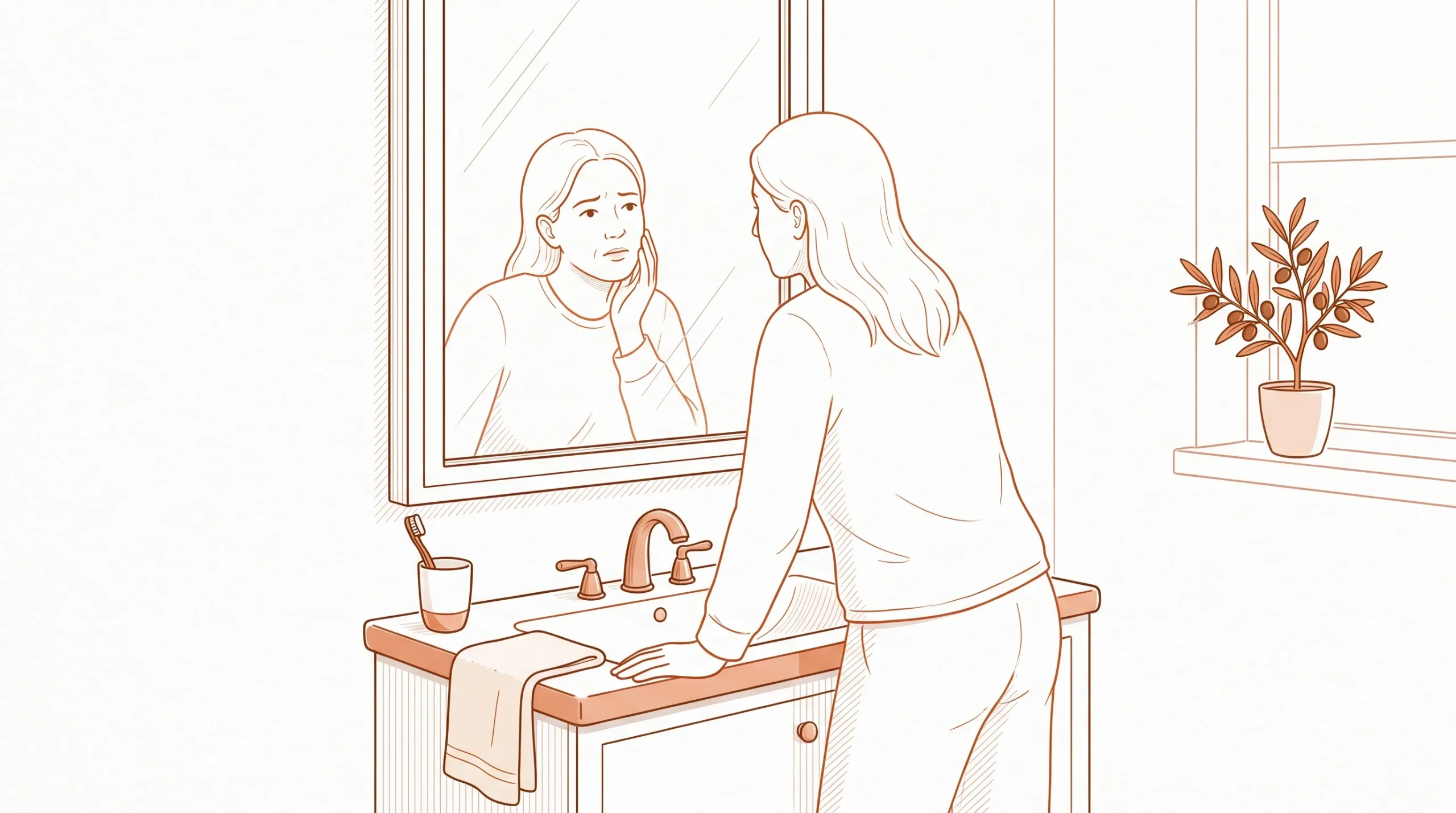
Useful information includes whether you have noticed sensitivity, bleeding gums, jaw discomfort or a filling that feels different. Tell the team if you are pregnant, have previously had an uncomfortable dental experience or feel anxious about the appointment.
If it has been several years since your last visit, you can simply say so. This helps your dentist understand what needs assessing without assuming that extensive treatment is necessary.
Before you attend, ask what the appointment includes and whether previous dental records or X-rays would be useful. If you have pain or swelling, mention it when booking so the practice can advise on the appropriate appointment type rather than treating it as a routine check-up.
What does a dental check-up appointment include?
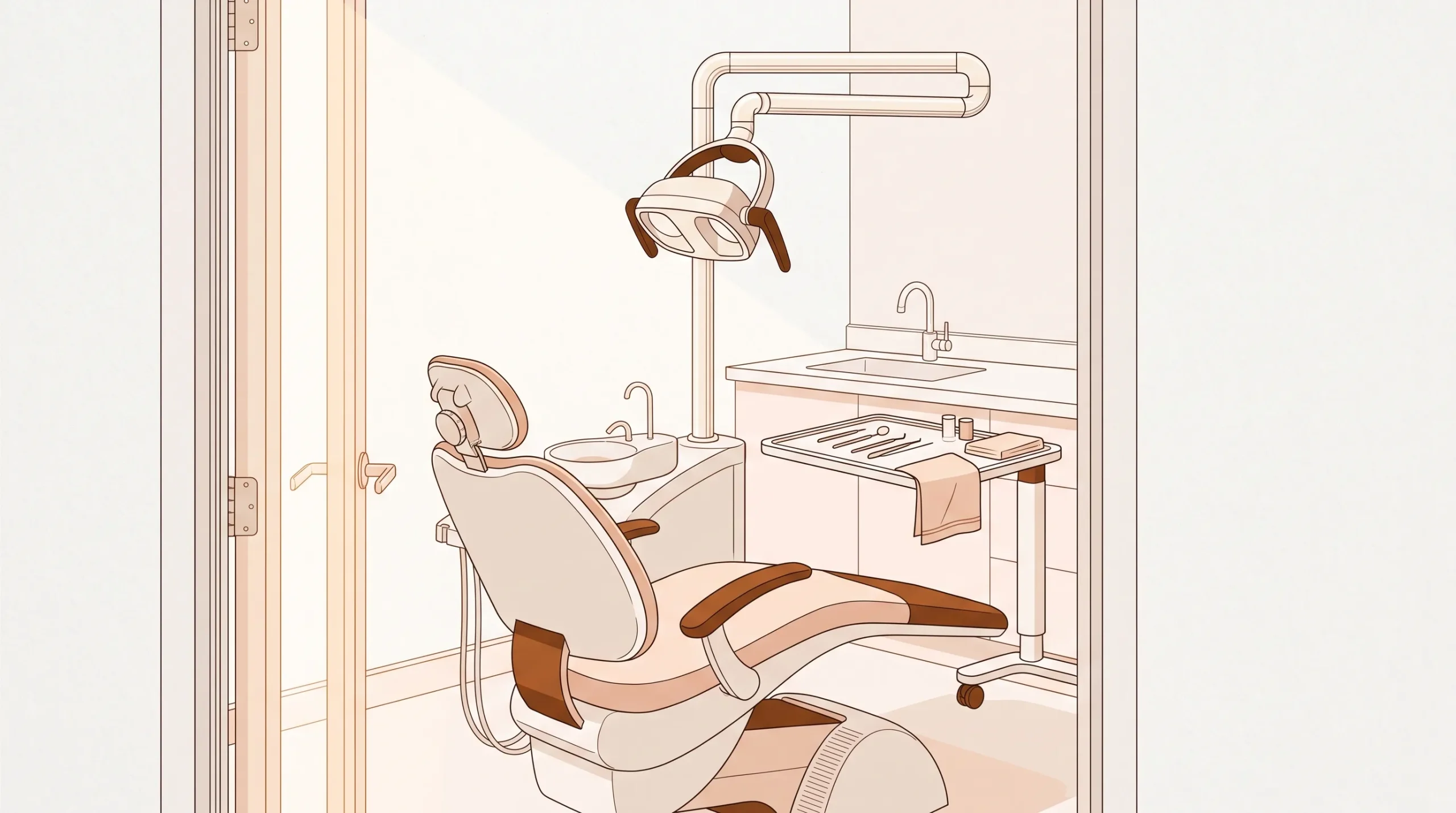
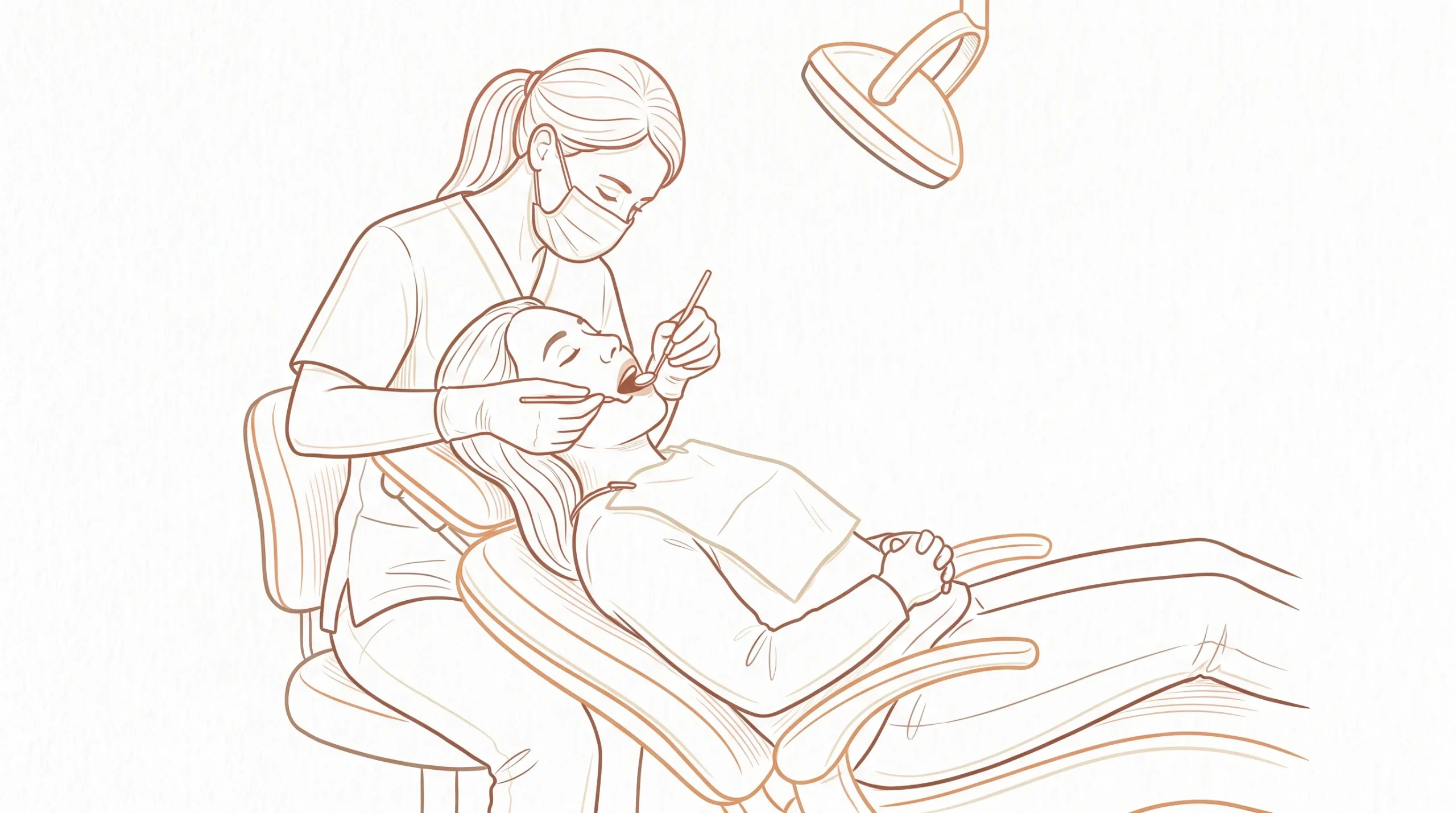
The examination is tailored to your circumstances. Your dentist may use a small mirror, a light and dental instruments to inspect areas that are difficult to see yourself.
Checking teeth, fillings and bite
Your dentist looks for signs of decay, cracks, wear and problems around existing fillings, crowns or other restorations. A restoration is a repair or replacement used to restore a tooth’s shape or function.
They may ask you to bite together, describe any sensitivity or identify where you feel discomfort. Depending on your symptoms, further tests may be needed to assess a particular tooth.
An examination can identify many concerns, but it cannot reveal everything. Some problems sit between teeth or beneath existing dental work, and an uncertain finding may need imaging, monitoring or another assessment.
Assessing gums and the rest of your mouth
Your dentist checks for gum inflammation, bleeding and changes in the tissues that support your teeth. They may measure the spaces between your teeth and gums using a fine measuring instrument. These measurements help assess gum health.
The examination can also include your tongue, cheeks, lips and other soft tissues. Mention any persistent sore, lump or change you have noticed, even if it is not painful.
When comparing options after searching “dental check up near me”, look for an appointment that allows you to discuss your concerns as well as have your teeth examined. Understanding the findings matters just as much as having them recorded.
Will you need dental X-rays?
Dental X-rays can provide information that is not visible during an examination, such as decay between teeth or changes around tooth roots and supporting bone.
They should be recommended for a clinical reason, not simply because you have booked a check-up. Your dentist considers your symptoms, examination findings, dental history and any suitable previous images before recommending new ones.
You can ask what an X-ray is intended to assess and how it could affect the next step in your care. Dental X-rays involve radiation, so unnecessary exposure should be avoided. Tell your dentist if you are pregnant or think you may be pregnant so this can be considered when planning imaging.
You can also ask about the fee before agreeing. If you prefer not to proceed, your dentist can explain any limitations this places on the assessment and discuss available alternatives.
Is a check-up the same as a scale and clean?
No. A check-up assesses your oral health, while a professional clean removes plaque and hardened deposits called calculus from tooth surfaces. Calculus cannot usually be removed with ordinary brushing.
A clean may be offered during the same visit, but whether it is appropriate, and whether there is time for it, depends on your needs and the appointment booked. More involved gum care may require separate visits.
Cleaning can cause temporary sensitivity or gum tenderness, particularly where gums are inflamed. Let the clinician know if you are uncomfortable so they can discuss adjustments or appropriate comfort measures.
For ongoing care, how often a professional dental clean may be appropriate depends on your gum health and individual risk factors rather than one fixed schedule for everyone.
What happens after the examination?
Your dentist should explain what they found and whether anything needs attention. The next step might be home-care advice, monitoring a change or discussing treatment options. Not every finding needs immediate treatment.
If treatment is recommended, ask about its purpose, likely benefits, potential risks and alternatives. You can also ask what may happen if you wait, whether the issue is urgent and whether another appointment is needed before deciding.
For example, a concern about a tooth may lead to a discussion about a filling, while gum inflammation may call for changes to home care and professional cleaning. Recommendations depend on the examination, not just the symptom you describe.
CP Dental’s general dentistry services beyond check-ups cover a broader range of assessments and care. A recommendation for one of these services should still be based on your individual needs, with its risks and limitations explained.
Questions about cost, comfort and consent
Before booking a dental check up near me, it is reasonable to ask what is included in the quoted fee. An examination, X-rays and cleaning may be charged separately, so confirm the scope rather than assuming they form a package.
If you have private health insurance, check your dental benefits and any out-of-pocket costs. Cover depends on your policy and the services provided.
For anxiety or sensitivity, tell the team before the examination starts. You can ask for explanations before instruments are used and agree on a signal to pause. These conversations help the clinician adapt the appointment, although comfort and treatment experiences vary between patients.
You are entitled to ask questions before agreeing to an examination, imaging or treatment. If a recommendation is unclear, ask for it to be explained in everyday language.
When to book routinely, and when to seek earlier advice
The interval between check-ups should reflect your oral health, medical history and risk of problems. Ask your dentist when they recommend your next examination and why that interval suits your circumstances. There is no single schedule that fits everyone.
Do not wait for a routine appointment if you develop persistent toothache, swelling, a broken tooth or a mouth sore that has not healed after two weeks. Contact a dentist for advice on how soon you should be assessed.
Healthdirect’s guidance on toothache explains symptoms that need urgent attention. If swelling affects your breathing or swallowing, seek emergency medical care immediately. Call 000 if you have difficulty breathing.
Frequently asked questions
How long does a dental check-up take? It depends on whether you are a new patient, the concerns being assessed and whether imaging or cleaning is included. Ask the practice about the expected appointment length when booking.
Will the examination hurt? A routine examination is generally less involved than treatment, but inflamed gums or sensitive teeth can feel uncomfortable. Tell your dentist what you are feeling and ask to pause if needed.
Do I need treatment if nothing hurts? Not necessarily. Some conditions cause few symptoms early on, but treatment should only be recommended after assessment. Your dentist can explain whether monitoring or treatment is appropriate.
Can I attend if I have not seen a dentist for years? Yes. Bring an up-to-date medication list and share any concerns. The first visit can establish your current oral health and help you understand the available options without assuming you need extensive care.
Arrange a check-up with CP Dental
If your search for a dental check up near me has raised questions about what to book, you can discuss your concerns with CP Dental. The team sees patients at the Coopers Plains, Mater Hill and Emerald locations, and online appointment booking is available.
Before choosing an appointment, mention any symptoms and ask what the visit includes. An examination can help clarify your oral health needs and which next steps, if any, may be appropriate.