When people hear general dentistry services, they often think of a quick check-up and clean. Check-ups are important, but general dental care can also include prevention, early diagnosis, simple repairs, gum care, advice for families, management of dental discomfort and planning for more involved treatment when it is needed.
If you have not seen a dentist for a while, or you are unsure which type of appointment to book, it can help to understand what sits under general dentistry. A general dentist is often the first person to assess a dental concern, explain what may be happening and talk through options that fit your oral health, medical history, preferences and budget.
What general dentistry services can include
General dentistry is the broad day-to-day care that helps keep your teeth, gums and mouth functioning as well as possible. It is not limited to routine appointments. Depending on your needs, it may include preventive care, treatment for common dental problems and referrals when a more specialised approach is appropriate.
The Australian Dental Association’s patient resource, Teeth.org.au, explains that dental check-ups may include an examination of the teeth, gums and soft tissues of the mouth. From there, your dentist may recommend further care if they find signs of decay, gum inflammation, cracks, tooth wear or other concerns.
| Area of care | What it may involve | Why it may be discussed |
|---|---|---|
| Prevention | Cleans, fluoride advice, oral hygiene support, dietary guidance | To reduce risk factors for decay and gum disease |
| Restorative care | Fillings, crowns or repair of damaged teeth where suitable | To restore tooth structure or function |
| Gum care | Assessment, cleaning below the gumline where needed, maintenance plans | To manage inflammation and support the tissues around teeth |
| Dental discomfort | Assessment of pain, swelling, sensitivity or trauma | To identify the likely cause and discuss timely options |
| Ongoing planning | X-rays when indicated, monitoring, treatment sequencing | To make decisions based on a fuller picture of your mouth |
Preventive care is more than a scale and polish
Prevention is a large part of general dental care because many dental problems start quietly. Tooth decay and gum disease can develop before there is obvious pain, and early changes are often easier to manage than more advanced concerns.
Many general dentistry services are focused on reducing the chance of problems progressing. This may involve professional cleaning to remove hardened tartar, checking areas that are difficult to brush, applying fluoride when appropriate, assessing your bite or looking at how your daily habits affect your mouth.
A dentist may also talk with you about brushing technique, interdental cleaning, dry mouth, snacking patterns, acidic drinks or smoking. These conversations are not about blame. They help identify practical changes that may reduce your risk over time.
If you want a deeper explanation of routine appointments, CP Dental has a related guide on how dental check-ups help protect your oral health.
Restorative care for damaged, decayed or worn teeth
Restorative dentistry refers to treatment that aims to repair or replace tooth structure. In general practice, this often includes fillings, simple tooth repairs and crowns when a tooth needs more coverage than a filling can provide.
Restorative general dentistry services focus on function as well as appearance. For example, a filling may be recommended when decay has affected the tooth, while a crown may be discussed if a tooth is cracked, heavily filled or weakened. Your dentist can explain why one option may be more suitable than another based on the amount of tooth structure remaining and your individual circumstances.
Some dental problems have more than one possible approach. A small chip might be monitored or repaired with bonding, while a tooth with deeper damage may need more involved treatment. If the nerve inside the tooth is affected, root canal treatment or extraction may be discussed. Each option has potential benefits, limitations and risks, so a clinical assessment is needed before any recommendation is made.
Gum care and support for oral health
Your gums and supporting tissues matter as much as your teeth. Gum inflammation may cause bleeding when brushing, tenderness or bad breath, although some people notice very few symptoms at first.
Teeth.org.au’s information on gum disease explains that gum disease affects the tissues that support the teeth. Management may involve improving plaque control, removing build-up around the teeth and reviewing risk factors such as smoking, diabetes or medications that affect the mouth.
In a general dental setting, gum care may include measuring the spaces around teeth, checking for bleeding, discussing home care and planning regular maintenance. Some people only need routine cleaning, while others may need more detailed periodontal treatment or referral. Suitability depends on the severity of the condition and the patient’s general health.
Help with discomfort, sensitivity and dental emergencies
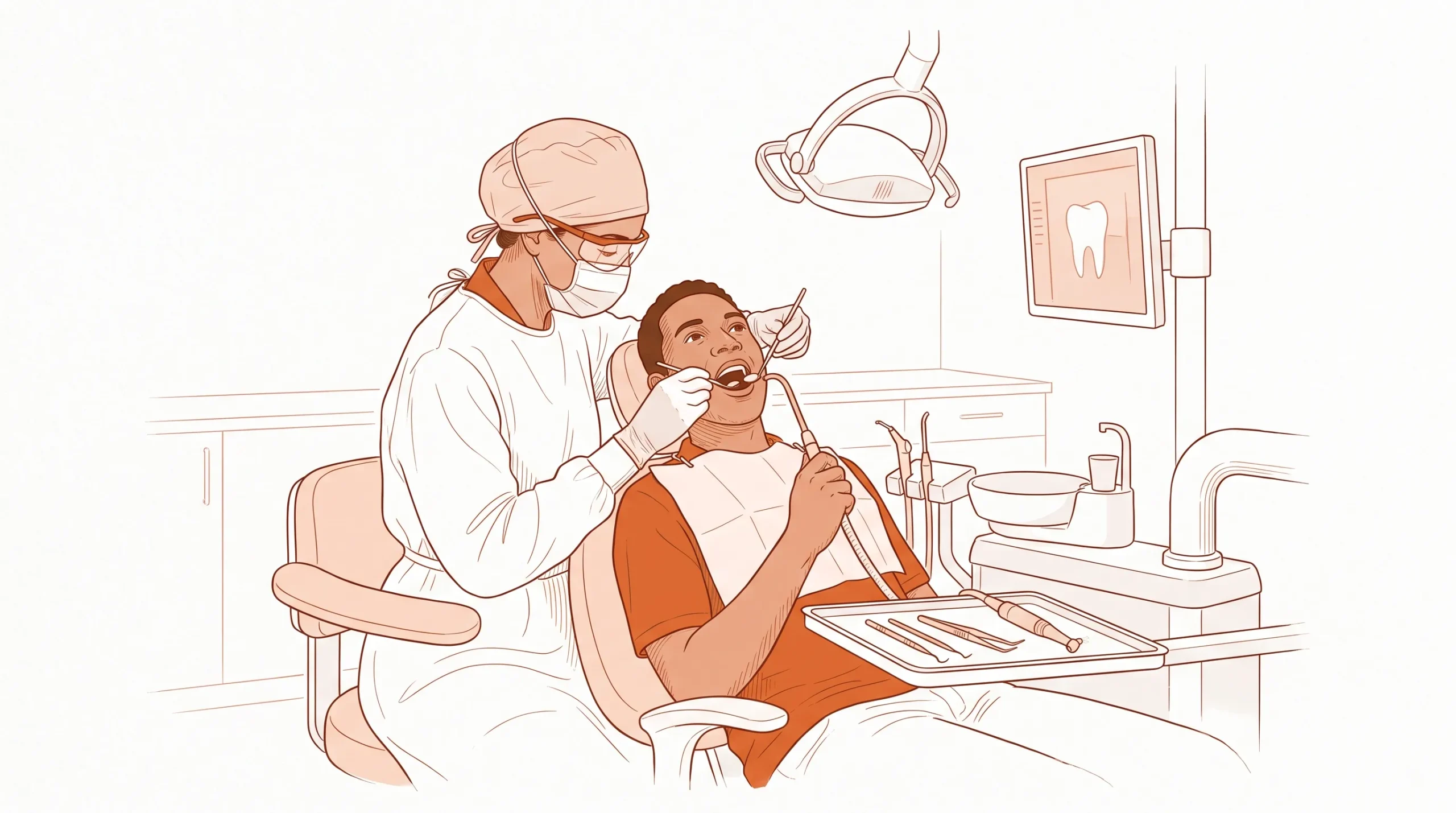
Not every dental visit is routine. Toothache, swelling, a broken tooth, a knocked tooth, a lost filling or sudden pain when biting can all be reasons to contact a dental clinic for advice. Some symptoms can wait for a standard appointment, while others may need prompt assessment.
When symptoms interrupt eating, sleeping or normal daily activities, general dentistry services may begin with identifying the likely source of the problem. Your dentist may ask about the history of the pain, examine the tooth and gums, test the tooth’s response to pressure or temperature and recommend X-rays if clinically indicated.
Treatment options depend on the cause. Sensitivity may relate to exposed dentine, grinding, cracks, decay, gum recession or a recent dental procedure. Swelling may suggest infection and should be assessed without delay. A dentist cannot diagnose the cause without examining you, but they can explain what they find and what the next steps may involve.
Care for children and families
General dentists also commonly see children, teenagers, adults and older patients. The focus changes with each stage of life. A child’s visit may include checking tooth development, brushing habits, diet, fluoride exposure and early signs of decay. For teenagers, discussions may include mouthguards, orthodontic concerns, wisdom teeth or sports-related dental injuries.
For adults, appointments may involve monitoring tooth wear, gum health, fillings, cosmetic concerns or changes linked with medical conditions and medications. Older adults may need support with dry mouth, tooth wear, dentures, implants, root decay or maintaining dental work placed earlier in life.
Family dental care is not one-size-fits-all. The right timing and type of appointment can vary between family members, particularly when someone has a higher risk of decay, gum disease or dental anxiety. CP Dental has also published a practical article on family dental visits in Brisbane for readers planning appointments for several people.
Treatment planning and knowing your options
Good general dentistry services also include explaining what has been found and helping you understand your options. This may be as simple as monitoring a small area over time, or it may involve a written treatment plan when several teeth or issues need attention.
A treatment plan may include the likely sequence of care, expected appointments, possible alternatives and whether further assessment is recommended. For example, your dentist may prioritise managing active pain or infection before discussing cosmetic concerns. They may also suggest stabilising gum health before placing a crown or bridge.
Costs can vary depending on the type and extent of treatment, the materials used and whether additional appointments or X-rays are needed. It is reasonable to ask for an itemised estimate before starting non-urgent treatment. If cost is a concern, our article on what to ask before booking affordable dentist care covers helpful questions to raise.
How often should you book general dental care?
There is no single appointment schedule that suits everyone. Some people are advised to attend every six months, while others may need shorter or longer intervals depending on their gum health, decay risk, tartar build-up, medical history and previous dental treatment.
A routine examination gives your dentist a chance to review your mouth and suggest a recall interval based on your risk factors. Professional cleaning frequency can also vary. Some patients build tartar quickly, while others may need more frequent gum maintenance due to periodontal concerns.
If you are deciding when to return, symptoms such as pain, swelling, bleeding gums, a broken filling, a loose tooth or a sore that does not heal should be assessed rather than waiting for a routine recall. For cleaning intervals specifically, CP Dental’s guide on how often to book a professional dental cleaning explains why timing can differ between patients.
Questions to ask at your appointment
A dental appointment is a good opportunity to understand your mouth in plain language. You do not need to know the dental terms before you arrive, and you can ask for explanations at any stage.
Useful questions include:
- What have you found today, and does anything need monitoring?
- Are there any signs of decay, gum disease, wear or cracks?
- What are my treatment options, including the option of doing nothing for now if appropriate?
- What are the potential benefits, risks and limitations of each option?
- How many appointments may be involved?
- What costs should I expect before treatment starts?
All dental procedures carry potential risks and benefits. The right option for one person may not be suitable for another, so your dentist should take your oral health, medical history, anatomy and preferences into account before recommending treatment.
Frequently Asked Questions
Are general dentistry services only for check-ups and cleans? No. General dentistry services can include preventive care, fillings, gum care, dental discomfort assessment, mouthguards, children’s dentistry and planning for more involved treatment when needed.
Can a general dentist help if I have tooth pain? A general dentist can assess tooth pain, sensitivity, swelling or a broken tooth and discuss possible causes and next steps. Some cases may be managed in general practice, while others may require referral or further investigation.
Do general dentists provide cosmetic treatment? Some cosmetic concerns can overlap with general dental care, such as repairing a chipped tooth or discussing whitening suitability. Cosmetic options depend on oral health, tooth condition and individual goals, and outcomes vary between patients.
Will I need X-rays at every appointment? Not necessarily. Dental X-rays are usually recommended when they are clinically indicated, such as when your dentist needs more information about decay, infection, bone levels or tooth position.
How do I know which dental appointment to book? If you are unsure, contact the dental clinic and describe your main concern. The team can guide you on whether a routine examination, emergency assessment or another appointment type may be appropriate.
Discuss your dental care with CP Dental
If you are unsure which general dentistry services may be suitable for your needs, a dental examination can help clarify what is happening and what options may be appropriate. CP Dental sees patients at the Coopers Plains, Mater Hill and Emerald locations, and appointments can be arranged online through CP Dental.