If you are considering cosmetic dentistry in Australia, the main options include whitening, composite bonding, veneers and orthodontic treatment. Each addresses different concerns and involves different costs, risks and ongoing care. The most useful starting point is an examination, followed by a discussion about what you would like to change and whether treatment is appropriate. Choosing not to have cosmetic treatment is also a valid option.
This guide explains how to compare treatments, understand their limitations and prepare for an informed conversation with your dentist.
How cosmetic dentistry in Australia fits with dental health
Cosmetic dentistry describes dental care intended to change the appearance of teeth or gums. It is not one procedure, and some treatments serve both appearance and function. For example, repairing a chipped tooth may improve its shape while also restoring missing tooth structure.
Healthy teeth naturally vary in colour, shape and alignment. These differences do not automatically need treatment. Your preferences matter, but so do the condition of your teeth, your bite and the health of your gums.
A dentist should assess any decay, gum disease or unexplained symptoms before recommending cosmetic work. Sometimes preventive care or a small repair is more appropriate than a larger procedure. CP Dental’s guide to routine dental care in Australia explains the role of examinations and ongoing oral health care.
Comparing the main treatment options
When comparing cosmetic dentistry in Australia, consider what each option can change and what it cannot. A treatment that changes tooth colour will not necessarily address crowding, damage or missing teeth.
| Option | What it may address | Main considerations |
|---|---|---|
| Teeth whitening | The colour of natural teeth | Results vary, sensitivity can occur and existing restorations do not whiten |
| Composite bonding | Small chips, gaps or changes in shape | The material can stain, chip or require repair |
| Veneers | Selected concerns about front-tooth shape or appearance | Tooth preparation may be irreversible and replacements may be needed |
| Braces or clear aligners | Tooth position and some bite concerns | Treatment takes time and retention is usually needed afterwards |
| Crowns | Teeth that need substantial restoration | Usually involve more tooth reduction than veneers |
| Tooth replacement | Missing teeth, with possible appearance and functional benefits | Suitability depends on oral health, anatomy and the type of replacement |
These are broad categories, not recommendations for your teeth. CP Dental’s information about aesthetic dental treatments provides further background on several of these options.
Teeth whitening: colour changes have limits
Whitening uses bleaching agents to lighten natural tooth colour. It may be considered for some types of discolouration, but teeth do not all respond in the same way.
Fillings, crowns and veneers do not lighten with whitening. If these are visible when you smile, treatment could create a colour difference that needs discussion before you proceed. Temporary tooth sensitivity and gum irritation are possible side effects.
Whitening is a common part of cosmetic dentistry in Australia, but a dental assessment helps determine whether it is suitable for your oral health. The Australian Dental Association’s patient resource on teeth whitening explains its limitations and possible side effects. Ask your dentist how existing dental work may affect the plan.
Composite bonding: smaller changes with maintenance needs
Composite bonding uses tooth-coloured resin, a material also used for fillings, to adjust a tooth’s shape or repair a small chip. In selected cases, it can involve little or no removal of healthy tooth structure.
Bonding is not suitable for every gap, chip or bite. The resin may discolour, wear or break, particularly where teeth experience heavier biting forces. Polishing, repairs or replacement may be needed over time.
Ask how much tooth preparation is proposed and what would happen if the material needed repairing. Less tooth preparation can be an advantage, but it does not make treatment risk-free or maintenance-free.
Veneers and crowns: understand what changes permanently
A veneer covers the front surface of a tooth. A crown covers more of the tooth and is generally considered when substantial restoration or protection is needed.
When discussing cosmetic dentistry in Australia, it is useful to distinguish an appearance concern from a structural problem. A healthy tooth with a minor colour concern does not necessarily need the same treatment as a heavily damaged tooth.
Veneers often require enamel removal, while crowns usually require more extensive preparation. Once healthy tooth structure is removed, that change cannot be reversed. Possible complications include sensitivity, damage to the restoration, decay around its edges and, in some cases, a later need for root canal treatment.
Ask why preparation is necessary, whether a less invasive option is suitable and what future replacement could involve.
Orthodontics and replacing missing teeth
Braces and clear aligners move teeth rather than cover their surfaces. They may be considered for crowding, spacing or certain bite concerns. Suitability depends on an examination, and treatment requires ongoing appointments, careful cleaning and usually retainers afterwards.
Bridges, dentures and implants can replace missing teeth. These treatments may support function as well as appearance, but they involve different maintenance needs and risks. Implants require surgery and are not suitable for everyone.
These options should not be treated as interchangeable shortcuts. Your dentist can explain which approach addresses the actual concern and whether referral or further assessment is needed.
What determines whether treatment is suitable?
Suitability for cosmetic dentistry in Australia depends on more than the appearance of your teeth. Your dentist will consider your gums, existing restorations, available tooth structure and the way your teeth meet when you bite.
Medical conditions, medicines, smoking and previous dental treatment can also influence planning. Tell your dentist about these, along with any history of sensitivity, tooth grinding or difficulty maintaining oral hygiene.
If you have pain, bleeding gums, a loose tooth or a recent chip, mention it before discussing appearance changes. These concerns need assessment rather than simply being covered by cosmetic work.
Your priorities also matter. Some people prefer a modest change with minimal tooth preparation. Others decide that the costs, maintenance or treatment time do not fit their circumstances. A useful consultation allows space for those choices without assuming treatment is necessary.
What should happen at a consultation?
An initial appointment usually begins with your concerns, dental history and medical history. The dentist examines your teeth and gums and assesses your bite. Photographs, scans or X-rays may be recommended where clinically justified, rather than automatically being needed for everyone.
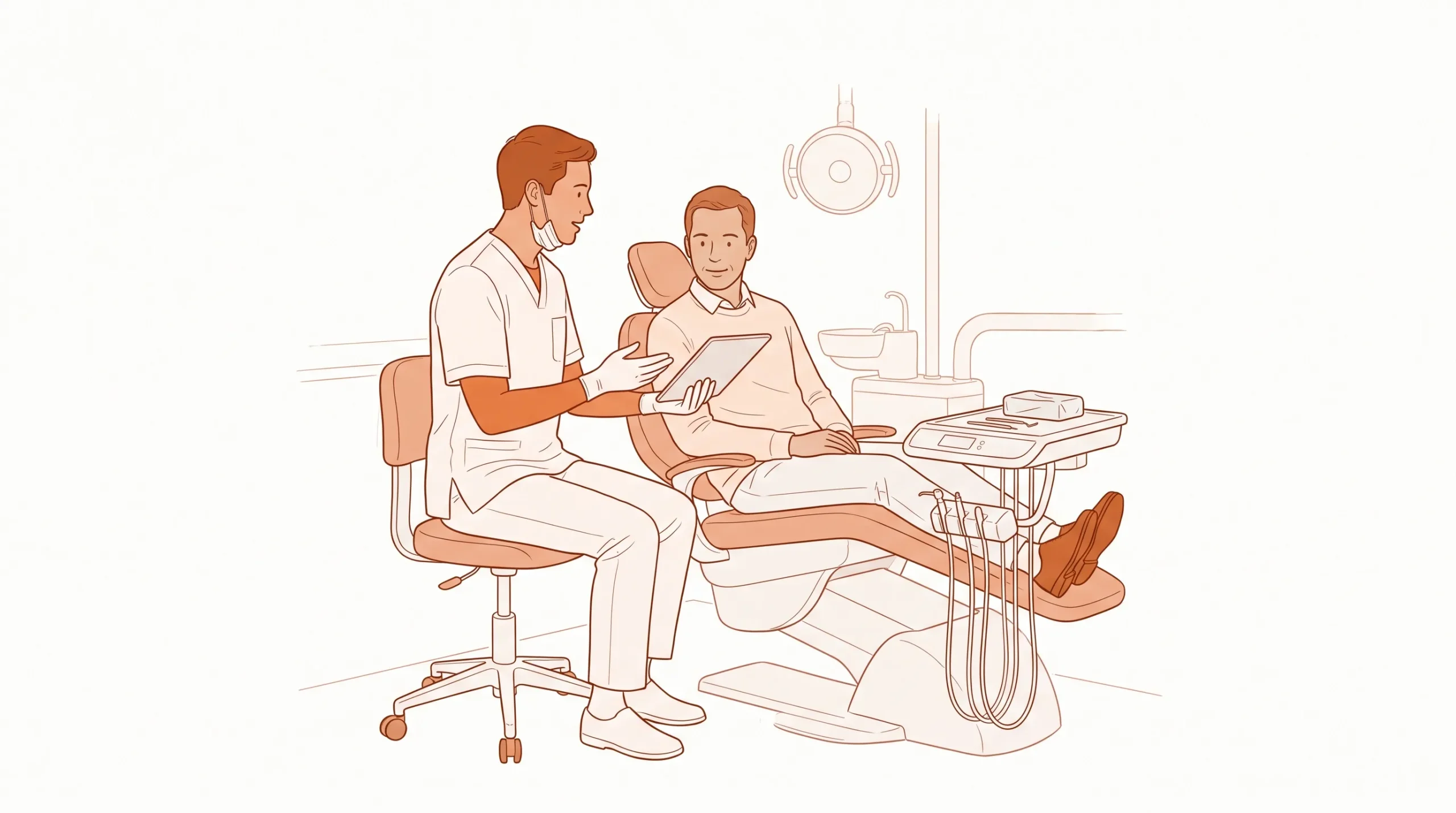
The discussion should explain the proposed treatment in everyday language, including likely limitations, alternatives and the option of no treatment. You should also understand any preparation, recovery or ongoing care involved.
Before agreeing to cosmetic dentistry in Australia, useful questions include:
- What concern would this treatment address, and what would remain unchanged?
- How much healthy tooth structure would be removed?
- What are the likely risks and alternatives for my circumstances?
- What happens if I delay treatment or choose not to proceed?
- What could future repairs, replacement or maintenance involve?
Ask for clarification if a term is unfamiliar. For an elective procedure, you can take time to consider the information and seek another opinion if you remain unsure. Consent is a discussion about your care, not simply a signed form.
Costs: consider the whole treatment plan
There is no single price for cosmetic dental care. Costs depend on the procedure, the number of teeth involved, materials, clinical complexity and any treatment needed first to establish oral health.
A useful estimate separates the examination and records, preparatory care, cosmetic treatment and follow-up. Where relevant, ask whether retainers, repairs or other ongoing items are included. Estimates may change if an examination reveals additional needs, so ask how changes would be discussed before further work begins.
When budgeting for cosmetic dentistry in Australia, consider future care as well as the initial fee. Whitening may need repeating, bonding may need repair and veneers or crowns may eventually need replacement. These possibilities should form part of the decision rather than come as a surprise later.
Medicare generally does not cover routine adult dental care. Private health insurance benefits depend on your policy, item numbers, waiting periods and annual limits. Some cosmetic procedures may be excluded. Confirm likely benefits with your insurer rather than assuming a treatment is covered.
CP Dental’s guide to planning dental care without private health insurance discusses budgeting and prioritising care. Ask for an itemised estimate and consider whether any elective work can reasonably wait.
Checking practitioner registration and treatment claims
You can check a dentist’s registration using the Ahpra register of practitioners. It identifies registration status and any conditions shown on the public register. If someone advertises as a dental specialist, check that their specialist registration is listed.
For patients considering cosmetic dentistry in Australia, the description “cosmetic dentist” should not be confused with a recognised dental specialist title. Ask about the proposed procedure and how the practitioner assesses suitability rather than relying on promotional wording alone.
Be cautious about promises of painless treatment, permanent results or an outcome identical to someone else’s. All dental procedures carry potential risks and benefits, and treatment experiences vary.
A responsible discussion should explain uncertainty and limitations as well as possible benefits. Photographs, digital previews or descriptions of a proposed appearance cannot guarantee how your treatment will look or feel.
Long-term care matters as much as the initial result
Cosmetic work does not remove the need for daily cleaning or regular dental review. Natural teeth can still develop decay, and gums around restorations still need care.
Brush twice daily with fluoride toothpaste and clean between your teeth using an appropriate method. Your dentist can explain whether your treatment requires different cleaning techniques or additional care. For orthodontic treatment, follow the retainer plan provided after active tooth movement finishes.
A realistic plan for cosmetic dentistry in Australia includes maintenance, possible repairs and changes over time. If you grind your teeth, discuss how this may affect restorations and whether protective measures are appropriate.
Contact your dentist if a restoration becomes loose or chipped, your bite feels different or sensitivity persists. Do not attempt to glue or adjust dental work yourself.
Frequently asked questions
Does everyone need cosmetic dental treatment? No. Healthy teeth vary naturally in appearance. Treatment is elective unless there is a separate clinical reason for care, and choosing not to change your teeth is valid.
Can I whiten my teeth if I already have veneers or crowns? Whitening does not change the colour of veneers, crowns or fillings. Your dentist can assess whether whitening natural teeth would create a noticeable mismatch and explain your options.
Are veneers reversible? Veneers often require enamel removal, which is irreversible. Some cases involve little or no preparation, but this is not suitable for everyone. Ask exactly what preparation is proposed for your teeth.
How long does cosmetic dental work last? There is no guaranteed lifespan. Materials, bite forces, oral hygiene and other factors affect maintenance needs. Ask about likely repair and replacement requirements for the proposed treatment.
Can I have time to decide after a consultation? Yes. You can ask for a written plan, consider the benefits and risks and seek another opinion before agreeing to elective treatment.
Discuss your options with CP Dental
If you would like to explore cosmetic dentistry in Australia, an examination can help clarify which options may be appropriate for your circumstances. The decision should reflect your oral health, preferences and understanding of the risks and alternatives.
To discuss your concerns, you can book an appointment with the team at CP Dental at the Coopers Plains, Mater Hill or Emerald location.