Choosing a modern dental clinic is about more than new equipment or a recently renovated waiting room. Look for a practice that explains its recommendations, uses technology for a clear clinical reason, follows infection-control standards and helps you make informed decisions about your care.
Modern dentistry should still feel personal. Your medical history, dental concerns, comfort needs and budget all matter when planning treatment. A useful test is whether the team can explain what they have found, why an option may help and what alternatives are available, including monitoring where appropriate.
You do not need to recognise every instrument or understand every dental term before booking. The following guide focuses on the practical signs of thoughtful, up-to-date care and the questions you can ask without needing a technical background.
Look for a modern dental clinic that explains its technology
Dental technology can help clinicians gather information, plan treatment and communicate findings. However, owning a particular device does not, by itself, establish the quality of a practice or make every treatment suitable for every patient.
Equipment should have a purpose
Depending on the practice and your needs, you may encounter digital X-rays, photographs taken inside the mouth or an intraoral scanner. An intraoral scanner is a handheld device that creates a digital impression of the teeth and gums.
These tools do different jobs. A photograph can help explain a visible finding, while an X-ray can provide information about areas that cannot be assessed by looking in the mouth alone. A digital impression may be useful when planning certain restorations or orthodontic treatment.
A modern dental clinic should be able to explain how a proposed scan or image will contribute to your assessment, rather than presenting it as something everyone needs.
| Tool you may encounter | What it can help with | A useful question |
|---|---|---|
| Dental X-rays | Assessing teeth and supporting structures that are not fully visible during an examination | Why is this image needed today? |
| Intraoral photographs | Showing visible findings and documenting changes | Can you explain what this photograph shows? |
| Intraoral scanner | Creating a digital impression for selected treatments | Would this change how my treatment is planned? |
More imaging is not automatically better
Dental X-rays use ionising radiation. Your dentist should weigh the expected diagnostic benefit against the exposure and select imaging appropriate to your circumstances. A three-dimensional X-ray scan is not a routine requirement for every check-up.
Let the team know if you are pregnant or may be pregnant, and mention any recent dental imaging. Previous images may be useful, although additional imaging can still be clinically necessary. No scan replaces a discussion of your symptoms, medical history and examination findings.
Infection control is part of modern care
Much of infection control happens outside the patient's view. A tidy reception area is welcoming, but it does not tell you how instruments are cleaned, sterilised or stored.
When assessing a modern dental clinic, it is reasonable to ask how the practice manages instrument reprocessing and infection prevention. Reprocessing means preparing reusable instruments for safe use again through appropriate cleaning and, where required, sterilisation.
The Australian Commission on Safety and Quality in Health Care's infection prevention resources explain the importance of measures such as hand hygiene, protective equipment and appropriate handling of reusable equipment.
In the treatment room, staff should use protective equipment suited to the procedure. Gloves do not replace hand hygiene, and reusable instruments need appropriate processing between patients.
You do not need to inspect a steriliser or interpret technical records yourself. Look for a team that takes your questions seriously and can explain its approach clearly. Appearance alone is not a reliable way to assess infection-control practices.
Clear explanations and informed consent matter
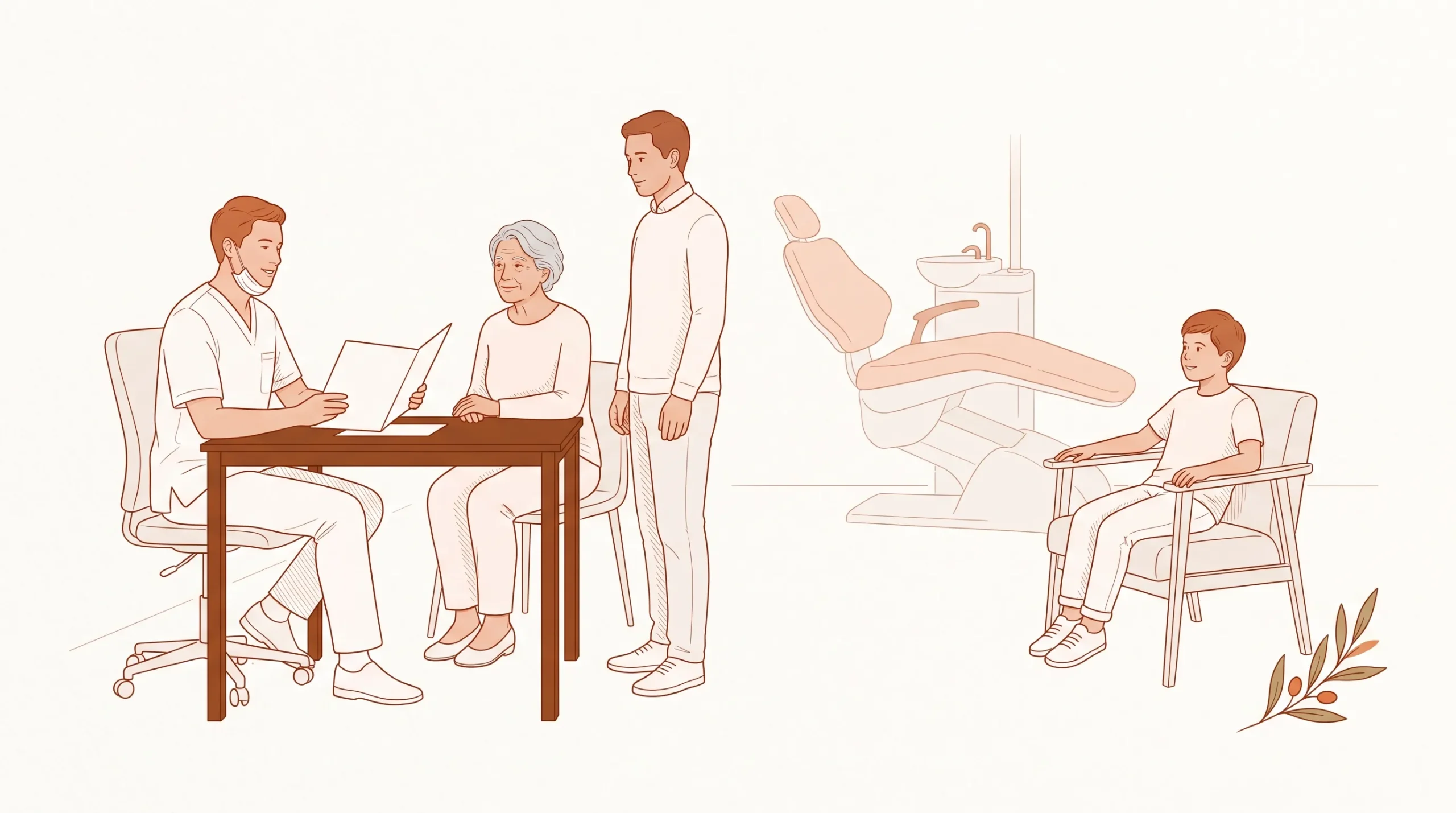
Before recommending treatment, a dentist needs to understand your oral health and relevant medical history. This includes medicines, allergies and health conditions that could affect treatment or recovery.
An explanation should connect the recommendation to a finding. For example, if a restoration is suggested, you should understand which tooth is involved, what the concern is and why that approach is being considered.
You should understand your options
At a modern dental clinic, the discussion should cover potential benefits, material risks, reasonable alternatives and likely costs. It should also explain what may happen if treatment is delayed or declined, without using pressure or fear.
All dental procedures carry potential risks and benefits. Depending on the procedure, risks may include sensitivity, discomfort, infection or the need for further treatment. Outcomes and recovery vary between patients, so the risks relevant to your proposed care deserve a specific discussion.
For non-urgent decisions, ask for time to consider the information if you need it. Monitoring may be appropriate in some circumstances, while other problems need timely treatment. The recommendation should follow your clinical needs, not a standard package.
Qualifications should be clear
You can check a practitioner's registration through the Ahpra public register. It shows registration information, including any published conditions.
A dentist offering a particular procedure is not necessarily a registered specialist. If specialist care is recommended, the team should explain the reason for referral and who will be involved in your treatment.
Comfort, accessibility and respect for your preferences
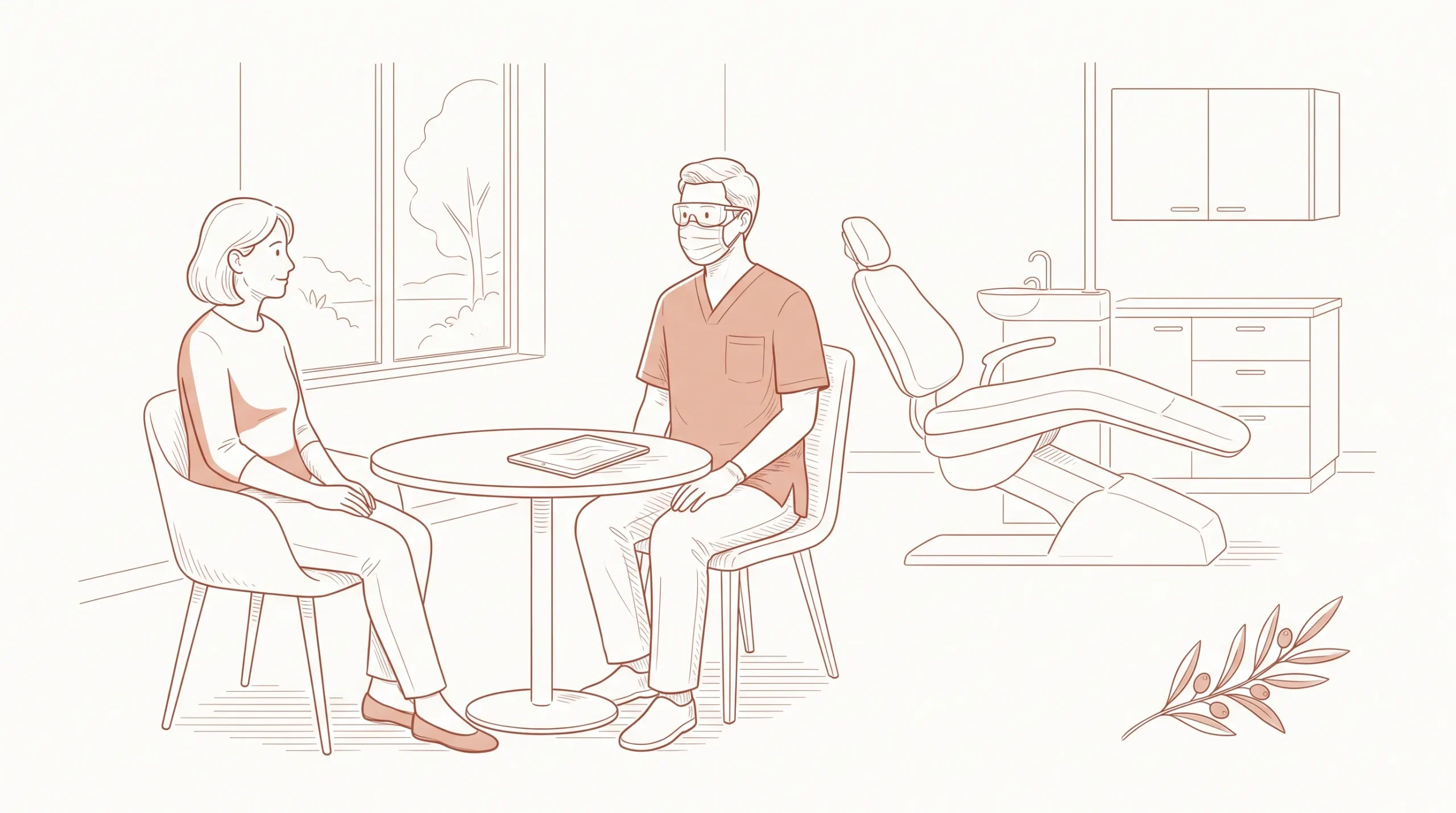
Feeling apprehensive about a dental visit is a reasonable concern to raise before your appointment. Useful support begins with understanding what worries you, whether that is sensitivity, a previous experience, the sounds of equipment or uncertainty about treatment.
You can ask about agreeing on a stop signal, having explanations before each stage or taking breaks when clinically appropriate. These measures may make an appointment more manageable, but no practice should promise that every procedure will be painless.
A modern dental clinic should discuss comfort options in relation to your health and the proposed treatment. Sedation, for example, requires assessment and may involve preparation, monitoring and restrictions afterwards. It is not necessary or suitable for everyone, and availability should be confirmed before booking.
CP Dental's guide to making dental visits more comfortable offers further questions to raise with the team.
Accessibility also deserves a practical conversation. If you need step-free access, help transferring to a dental chair, an interpreter or other support, ask about arrangements in advance rather than assuming a renovated clinic can meet every need.
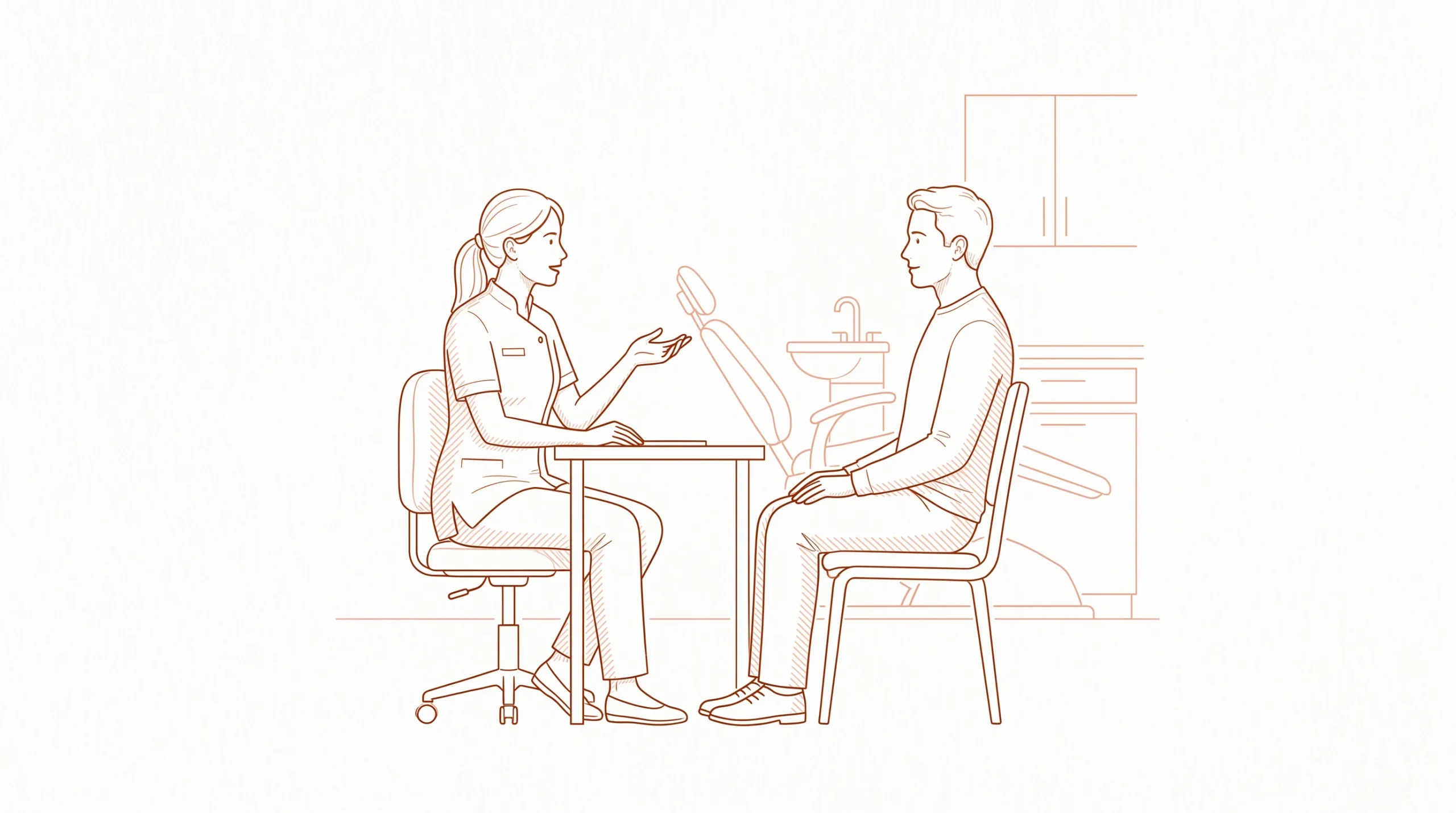
Look beyond the first appointment
Dental care often involves decisions and follow-up over time. A clinic's systems for recording findings, explaining next steps and responding to concerns can matter as much as the equipment used during a visit.
Before starting a course of treatment, establish who will provide your care, how many appointments are expected and what follow-up may be needed. Some treatment plans change when new information becomes available, so ask how changes would be discussed with you.
A modern dental clinic should help you understand what happens after treatment, including any maintenance, review appointments and symptoms that warrant contacting the practice. This is particularly useful for treatments that involve several stages or ongoing care.
Preventive advice should also be specific enough to use at home. Rather than simply being told to brush better, you may benefit from a demonstration of brushing or cleaning between your teeth. Check-up intervals should reflect your oral health and risk factors, rather than assuming everyone needs the same schedule.
Costs should be understandable before you agree
An itemised estimate helps you understand what is being proposed. Ask whether it includes relevant imaging, temporary restorations, laboratory work and follow-up, where these apply. An estimate may change if unexpected findings alter the treatment plan, but the team should explain changes and seek your agreement before proceeding where circumstances allow.
Health fund benefits depend on your policy and eligibility. Ask for treatment item numbers so you can check your expected rebate with your insurer rather than assuming the quoted fee will be fully covered.
Price alone cannot tell you whether a modern dental clinic is appropriate for your needs. Equally, higher fees do not automatically mean better care. Compare the scope of the proposed treatment, the alternatives and any ongoing maintenance costs.
For a fuller discussion of estimates and rebates, CP Dental's guide to questions about affordable dental care may be useful.
Questions to ask before choosing a clinic
You do not need to ask every question at reception. Booking staff can clarify practical arrangements, while clinical questions may need to wait until the dentist has examined you.
A short set of questions can help you assess whether the practice's approach suits your needs:
- Assessment: What will the first appointment involve, and what information should I bring?
- Recommendations: How will the dentist explain findings, treatment options and relevant risks?
- Comfort and access: What arrangements can be discussed for anxiety, communication or mobility needs?
- Follow-up: Who should I contact if I have questions or concerns after treatment?
When comparing a modern dental clinic with another practice, pay attention to how these questions are answered. Clear, relevant explanations are more useful than a long list of equipment or broad promises about results.
You should also be able to explain your priorities without feeling judged. Wanting to preserve tooth structure, manage costs or take time over a cosmetic decision are all matters worth discussing. Changes in tooth colour, shape or alignment do not automatically require treatment.
Frequently asked questions
Does a clinic need a 3D scanner to provide appropriate dental care? No. Equipment needs depend on the services provided and the patient's circumstances. A dentist may use conventional methods, digital methods or a combination. The important question is whether the method is suitable for your assessment or treatment.
Can I ask why an X-ray has been recommended? Yes. Your dentist can explain what information the image may provide and how it could affect your care. Mention previous imaging and any relevant health information before it is taken.
Can I seek a second opinion before major treatment? Yes. A second opinion can help you understand the findings and available options, particularly for complex or extensive treatment. Ask how relevant records and images can be shared, and check whether another assessment will involve a fee.
What if I have not visited a dentist for several years? Tell the team when booking and raise any concerns about symptoms, comfort or cost. A modern dental clinic should base recommendations on your current assessment and explain priorities without making you feel ashamed about a gap in care.
Discuss your dental care with CP Dental
An examination can help clarify your oral health needs and which options may be appropriate. You can ask about the proposed assessment, comfort arrangements, fees and follow-up before deciding on treatment.
To discuss your concerns, you can book an appointment with CP Dental at the Coopers Plains, Mater Hill or Emerald location. Confirm any specific service, equipment or accessibility requirement with the team when arranging your visit.