General dentistry looks after the health of your teeth, gums and mouth, while orthodontics focuses on tooth position and how your teeth meet when you bite. If you are searching for “general dentistry and orthodontics near me”, a general dental examination is often a useful starting point, particularly if you have pain, bleeding gums or concerns about decay.
Some people need general dental care only. Others may benefit from an orthodontic assessment, with both types of care coordinated where appropriate. You do not need to choose braces, aligners or another treatment before having your concerns assessed.
General dentistry and orthodontics: what is the difference?
The main difference is the purpose of the care. General dentistry supports oral health and treats problems affecting teeth and gums. Orthodontic treatment moves teeth into different positions and may address certain bite concerns.
| Type of care | Main focus | Examples of what it may involve |
|---|---|---|
| General dentistry | Preventing, identifying and treating oral health problems | Examinations, cleaning, fillings, gum care and assessment of tooth pain |
| Orthodontics | Assessing and managing tooth alignment and bite relationships | Braces, clear aligners and retainers, depending on individual needs |
| Coordinated care | Maintaining oral health before, during and after tooth movement | Treating decay before braces and continuing dental examinations during orthodontic treatment |
Our guide to what general dental care may include for your family explains the broader scope of routine dental appointments.
Searching for “general dentistry and orthodontics near me” does not mean you need both types of treatment. An assessment should establish what, if anything, would be appropriate for your oral health and priorities.
When a general dental appointment is a useful starting point
A general dentist can assess concerns that are not necessarily related to tooth position. These include sensitivity, bleeding gums, broken fillings, tooth wear and discomfort when chewing.
A general dental appointment is usually a practical first step if you have:
- Toothache, ongoing sensitivity or a damaged tooth.
- Gums that bleed, feel swollen or have changed in appearance.
- Food regularly catching between teeth.
- Questions about your oral health before considering braces or aligners.
Your dentist can examine the affected area, discuss possible causes and explain whether further tests or treatment are needed. X-rays may be recommended when they are clinically justified, rather than automatically at every visit.
Crowding and spacing can exist alongside decay or gum disease, but they are different concerns. Moving teeth does not treat an existing cavity or gum infection. Oral health problems generally need to be addressed before orthodontic treatment begins.
When an orthodontic assessment may help
An orthodontic assessment may be useful when you are concerned about crowded teeth, spaces or the way your upper and lower teeth meet. It can also help assess teeth that are not coming through as expected.
Not every variation in tooth position requires treatment. The assessment should consider function, oral health, your preferences and whether the likely benefits justify the risks and ongoing commitment.
Braces use brackets and wires to move teeth. Clear aligners are removable trays designed to apply planned forces to teeth. Their suitability depends on the movements required, oral health and the person's ability to follow the prescribed wear schedule.
If you are searching for “general dentistry and orthodontics near me” because of a gap, the cause matters as much as its appearance. Our article on options for managing gaps between teeth explains why tooth movement and restorative treatments are not interchangeable.
An assessment can also establish whether monitoring, rather than immediate treatment, is reasonable.
Can a general dentist provide orthodontic treatment?
Yes. A general dentist may provide orthodontic treatment when it falls within their education, training and competence. However, a general dentist who provides braces or aligners is not necessarily a specialist orthodontist.
An orthodontist is a dentist who has completed recognised additional specialist training and holds specialist registration in orthodontics. You can check a practitioner's registration through Ahpra's public register of practitioners.
A general dentist may recommend specialist assessment where a case involves complex tooth movements, teeth trapped beneath the gum, significant jaw relationships or other factors beyond their scope. Referral is a way of matching care to the person's needs, not a sign that something has gone wrong.
When comparing results for “general dentistry and orthodontics near me”, check who would assess you, who would plan treatment and who would provide ongoing appointments. A practice offering orthodontic services should not be assumed to have a specialist orthodontist on site.
The appropriate clinician depends on the complexity of your needs and the proposed treatment.
What an assessment and treatment plan may involve
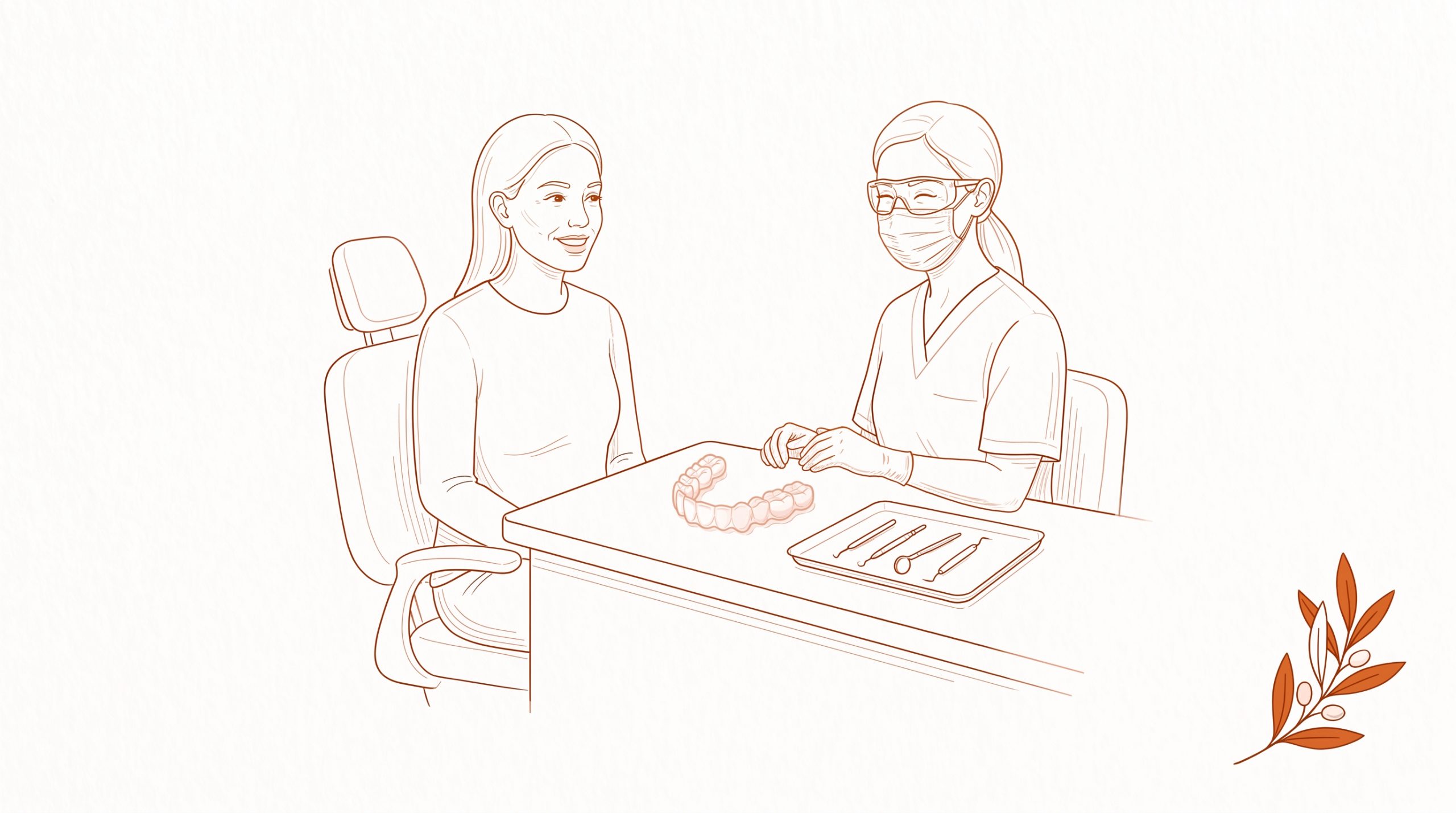
Your appointment usually starts with a discussion about what is bothering you, your medical history and any previous dental treatment. Mention medicines, existing health conditions and whether you have had braces or worn retainers before.
The clinician may examine your teeth, gums, bite and jaw movements. Photographs, scans, impressions or X-rays may be recommended if they are needed to assess your situation and plan care.
Before agreeing to treatment, you should understand:
- What concern the proposed treatment is intended to address.
- Whether there are reasonable alternatives, including monitoring or no treatment.
- The likely benefits, limitations and risks.
- Expected appointments, home care requirements and estimated costs.
- Who will provide treatment and how concerns will be managed.
You can ask for time to consider the plan. An initial examination does not commit you to orthodontic treatment, and a digital simulation or proposed treatment plan is not a guarantee of the final result.
Benefits, risks and ongoing responsibilities
General dental care may help manage disease, repair damage and support comfortable function. The benefits and risks depend on the particular procedure and the condition of the tooth or gums being treated.
Orthodontic treatment may improve alignment and certain bite relationships, but it involves more than wearing an appliance. Possible effects include temporary discomfort, mouth irritation, gum recession and shortening of tooth roots. Plaque around braces or aligners can contribute to decay, white marks on teeth and gum inflammation if cleaning is inadequate.
Treatment length and outcomes vary. Teeth can move again after treatment, so retainers and ongoing review are usually needed to help maintain their position.
Regular dental examinations remain important during orthodontic treatment. Orthodontic adjustment appointments do not replace routine care for your teeth and gums. Your treating clinicians can explain how these appointments should be coordinated for your circumstances.
How to choose general dentistry and orthodontics near me
A nearby practice can make ongoing appointments easier to organise, but distance is only one consideration. Check whether the practice can assess your particular concern and explain when specialist referral may be appropriate.
Ask about the clinician's role and relevant training, the appointment schedule and whom to contact if an appliance breaks or discomfort persists. If care involves more than one clinician, clarify who is responsible for each part of the plan.
For children and teenagers, school commitments and support with cleaning may affect treatment planning. For adults, gum health, existing restorations and missing teeth may influence the available options.
CP Dental offers general dental care and orthodontic services. Contact the team to confirm the appropriate appointment and current arrangements for the location you are considering, rather than assuming every service or practitioner is available at every practice.
Costs, Medicare and private health insurance
There is no single price that applies to every orthodontic case. Costs depend on the complexity of treatment, the appliance, the expected course of care and what is included in the plan. General dental treatment needed beforehand may be quoted separately.
Ask whether a written estimate includes assessment records, review appointments, retainers and any potential additional charges. Also ask what happens if the treatment plan needs to change.
Medicare generally does not cover routine private dental care or orthodontic treatment. The Child Dental Benefits Schedule can help eligible children access certain basic dental services, but it does not cover orthodontics.
Private health insurance benefits depend on your policy, waiting periods and annual or lifetime limits. Confirm your entitlement directly with your insurer before agreeing to treatment.
If you are comparing “general dentistry and orthodontics near me” results, compare the proposed care and inclusions rather than a headline price alone.
Frequently asked questions
Should I see a general dentist or an orthodontist first? A general dentist is a useful starting point if you are unsure what is causing your concern or have pain, bleeding gums or possible decay. If your concern is specifically tooth alignment or your bite, an orthodontic assessment may also be appropriate. The practitioner can explain whether specialist input is needed.
Do I still need dental check-ups while wearing braces or aligners? Yes. Your teeth and gums still need assessment during orthodontic treatment. Your dentist can recommend an examination and cleaning schedule based on your oral health and risk factors.
Can adults have orthodontic treatment? Adults may be suitable for treatment, but age alone does not determine suitability. Gum health, supporting tissues, existing dental work and the proposed tooth movements all need assessment.
Does a child with crowded teeth automatically need braces? No. Tooth development, available space and the bite need to be assessed. Depending on the findings, monitoring or treatment at a later stage may be appropriate.
What if I have tooth pain as well as alignment concerns? Have the pain assessed rather than assuming it is caused by crowding. Facial swelling, fever or worsening symptoms need prompt professional advice. Difficulty breathing or swallowing requires emergency medical attention; call 000.
Discuss the appropriate starting point with CP Dental
A dental examination can help clarify whether your concern relates to oral health, tooth alignment or both. Your clinician can explain suitable options, potential risks and whether referral is appropriate.
To discuss your concerns, you can book an appointment with CP Dental at the Coopers Plains, Mater Hill or Emerald location.