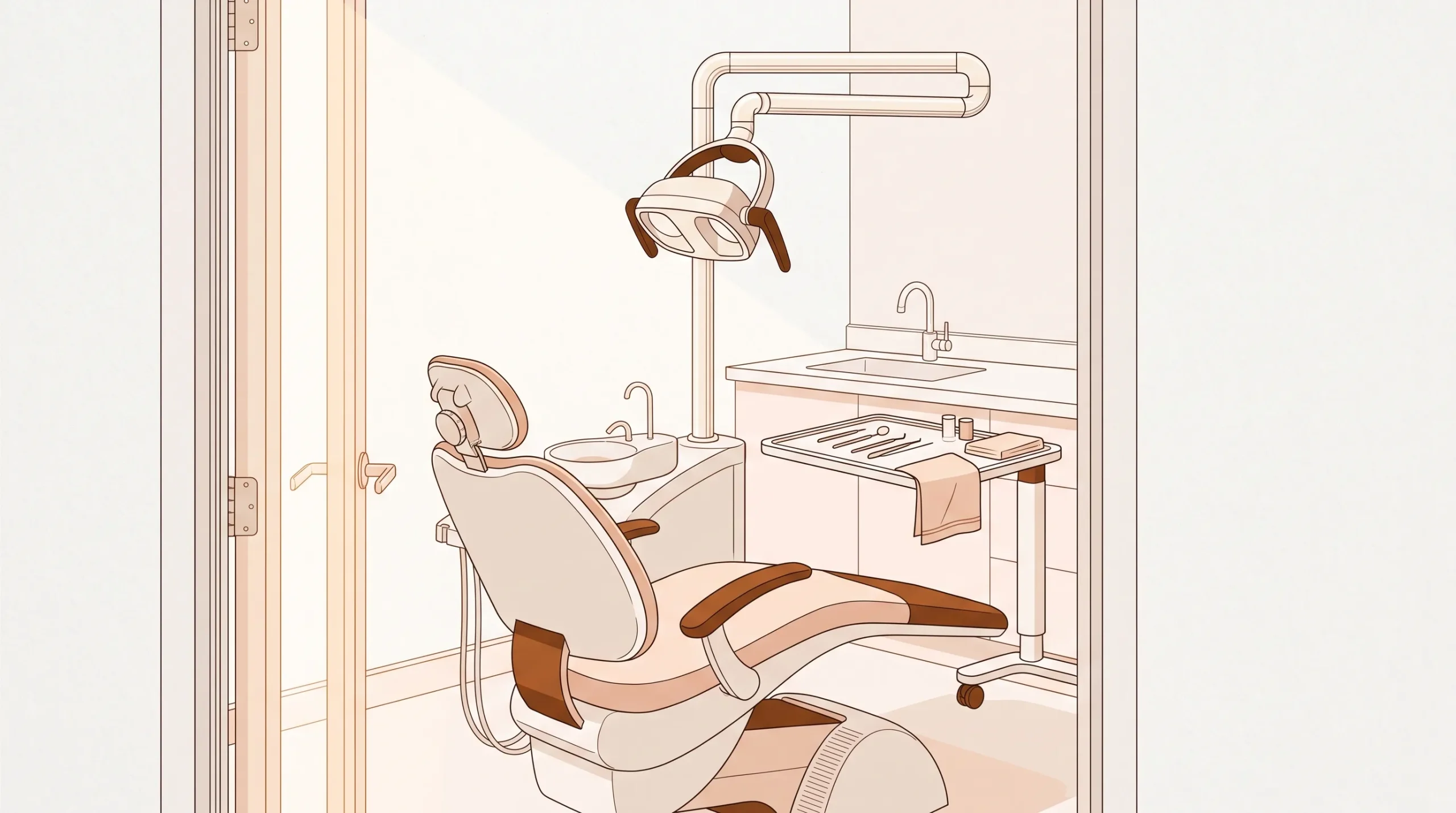
Regular dental care protects your long-term health by helping small issues stay small, supporting healthy gums and giving your dentist a chance to notice changes before they become harder to manage. A regular dental care dentist is not only checking for cavities. They are looking at how your teeth, gums, jaw, bite, soft tissues, medical history and daily habits are working together.
For many people, dental visits only come to mind when something hurts. The difficulty is that early tooth decay, gum inflammation and tooth wear often develop quietly. By the time pain appears, treatment may be more involved than it would have been at an earlier stage.
CP Dental sees patients at Coopers Plains, Mater Hill and Emerald for general, cosmetic, emergency and restorative dental care. Whether you attend for a routine check-up or because something has changed, the aim of regular care is to give you clear information and support decisions that suit your oral health, preferences and circumstances.
Why a dental care dentist looks beyond your teeth
Your mouth is part of your overall health, not separate from it. Teeth help you chew comfortably, speak clearly and maintain a balanced bite. Gums and supporting bone help hold teeth in place. Saliva helps protect against acid and bacteria. Jaw muscles and joints help your bite function day after day.
A routine dental appointment gives your dentist a chance to assess these areas together. They may ask about your medical history, medications, diet, smoking or vaping, dry mouth, grinding, pregnancy, diabetes or other health factors that can influence oral health. This does not mean your dentist is diagnosing general medical conditions. It means they are considering the factors that may affect your dental risk.
For example, some medications can contribute to dry mouth, which may increase the risk of tooth decay. Diabetes can make gum health more difficult to manage for some people. Reflux or frequent acidic drinks may contribute to tooth wear. Stress and sleep changes may be linked with clenching or grinding.
Regular dental care helps connect these pieces. Rather than focusing only on one tooth at one point in time, your dentist can look for patterns and discuss practical prevention.
What regular dental care usually involves
A dental check-up is not simply a quick look in the mouth. The exact appointment depends on your needs, symptoms and dental history, but routine care commonly includes a combination of examination, risk assessment, cleaning and advice.
Your dentist may recommend dental X-rays if they are clinically needed. X-rays are not taken for everyone at every visit. They can help detect issues that are difficult to see directly, such as decay between teeth, bone changes around teeth or problems under existing fillings or crowns.
A professional clean may also be recommended to remove plaque and calculus. Plaque is the soft bacterial film that builds up on teeth. Calculus, sometimes called tartar, is hardened plaque that cannot be removed with normal brushing. Removing these deposits can support gum health, especially in areas that are difficult to clean at home.
| Part of regular dental care | What it helps assess or manage | Why it matters over time |
|---|---|---|
| Dental examination | Teeth, fillings, crowns, bite and visible changes | Helps identify concerns before they become more complex |
| Gum assessment | Bleeding, pocketing, plaque and calculus build-up | Supports early management of gum inflammation and gum disease risk |
| Soft tissue check | Tongue, cheeks, lips, palate and other mouth tissues | Helps detect unusual changes that may need monitoring or referral |
| Preventive cleaning | Plaque and calculus that brushing cannot fully remove | May reduce gum irritation and support home care |
| Personalised advice | Brushing, flossing, diet, fluoride, dry mouth and risk factors | Helps tailor prevention to your daily routine |
If it has been a while since your last dental visit, your dentist may take more time to understand your history and current concerns. You do not need to know exactly what treatment you need before you attend. An assessment is the first step in understanding your options.
How regular dental care lowers risk over time
Regular care cannot prevent every dental problem, and it does not replace good home care. However, it can reduce the chance of issues being missed and may make dental problems easier to manage when they are found early.
Tooth decay is a good example. In its early stages, decay may not hurt. Depending on the situation, early enamel changes may be managed with preventive advice, fluoride, diet changes and monitoring. If decay progresses into a cavity, a filling or another form of treatment may be needed. If it reaches the nerve inside the tooth, treatment may become more involved.
Gum disease can also be quiet. Early gum inflammation may show as bleeding when brushing or flossing, but some people notice very little. If gum disease progresses, it can affect the bone and tissues that support the teeth. CP Dental has a separate article explaining why gum disease can be serious if you would like more detail on how it develops and why early attention matters.
Regular dental appointments also help protect previous dental work. Fillings, crowns, bridges, implants and other restorations need ongoing review. Even well-maintained dental work can wear, chip, loosen or develop decay around the margins over time. Checking these areas regularly may help your dentist recommend maintenance before a larger repair is needed.
Tooth wear is another issue that can build slowly. Grinding, clenching, acidic foods and drinks, reflux and brushing too firmly can all play a role. A dentist may notice wear patterns before you are aware of them and discuss possible causes.
Home care remains a major part of prevention. Brushing twice daily with fluoride toothpaste, cleaning between teeth and limiting frequent sugary or acidic snacks can make a meaningful difference. If you want a practical refresher, CP Dental’s guide to good daily dental hygiene covers everyday habits in more detail.

The mouth and body connection, explained carefully
It is common to hear that oral health is linked with general health. This is true in a broad sense, but it is important to explain it without overstating the evidence.
Gum inflammation, dental infection, dry mouth, diet, smoking, alcohol use and some medical conditions can all influence oral health. In some cases, oral health and general health can affect each other. For example, people with diabetes may be at higher risk of gum problems, and gum inflammation can make oral health harder to manage. Pregnant patients may also notice gum changes due to hormonal shifts.
Dental infections can sometimes spread or affect general wellbeing, particularly if swelling, fever or difficulty swallowing develops. These symptoms should be assessed promptly. For less urgent issues, a routine dental examination can still provide useful information about what is happening and what options may be appropriate.
Regular dental care may also support nutrition and comfort. If chewing is difficult, people may avoid certain foods. If dentures are loose, teeth are sore or gums bleed often, eating and cleaning can become harder. Over time, these problems can affect day-to-day wellbeing even if they do not feel urgent at first.
The goal is not to suggest that dental visits alone manage overall health. Rather, regular dentistry is one part of maintaining your health, alongside medical care, healthy daily habits and advice from appropriate health professionals.
How often should you see a dentist?
There is no single check-up schedule that suits everyone. Many people are familiar with six-monthly dental visits, and that timing may be suitable for some patients. Others may need appointments more or less often depending on their risk of decay, gum disease, tooth wear, dental work, medical conditions, medications and home care.
Your dentist can suggest a review interval after assessing your mouth and discussing your history. A person with active gum disease, frequent decay or a dry mouth may need closer monitoring than someone with stable oral health and low risk factors.
| Situation | Why timing may need to be individual |
|---|---|
| Bleeding gums or gum disease history | Gum health may need closer monitoring and professional cleaning |
| Frequent cavities | Diet, dry mouth, brushing habits or fluoride exposure may need review |
| Braces, aligners or retainers | Cleaning can be more difficult and tooth movement needs monitoring |
| Crowns, bridges, implants or dentures | Restorations and appliances need ongoing maintenance checks |
| Medical conditions or medications affecting saliva | Dry mouth can increase decay risk for some patients |
| No symptoms and stable oral health | A dentist can advise an appropriate routine review interval |
You should arrange a dental appointment sooner if you notice toothache, swelling, a broken tooth, bleeding that does not settle, a mouth ulcer that does not heal, a loose adult tooth, jaw pain, sudden sensitivity or changes in your bite. These symptoms do not always mean something serious is happening, but they are worth assessing.
Making regular dental care easier to maintain
For many people, the barrier is not understanding the value of dental care. It is fitting it into family life, work, study, travel, budgets or anxiety about what may be found.
A practical approach is to treat dental care as ongoing maintenance rather than a one-off event. If you attend regularly, your dentist can build a clearer picture of what is normal for you. That history may help when deciding whether a change needs treatment, monitoring or another opinion.
It also helps to be open about what you find difficult. If flossing is hard, there may be other ways to clean between your teeth. If you feel nervous, telling the dental team at the start of the appointment can help them explain what they are doing and pause if needed. If cost is a concern, ask about priorities, staged treatment and available options before making a decision.
Daily habits still do much of the heavy lifting between appointments. Plaque builds up every day, so consistent brushing and interdental cleaning matter. CP Dental’s article on preventing dental plaque explains why plaque control is central to reducing decay and gum inflammation risk.
Regular care is especially useful at different life stages
Oral health needs change across life. Children may need support with brushing, diet and early dental habits. Teenagers and young adults may face higher risks from orthodontic appliances, sports injuries, energy drinks, vaping or irregular routines. Adults may need maintenance of fillings, crowns or gum health. Older adults may experience dry mouth, gum recession, tooth wear, dentures or more complex medical histories.
This is one reason regular dental care is not only about treating problems. It is a chance to update advice as circumstances change. A dental plan that suited you five years ago may not suit your current teeth, gums, lifestyle or medical needs.
For families, regular appointments can also help children become familiar with dental visits before a problem occurs. For adults who have avoided the dentist for some time, a check-up can provide a clear starting point without assuming that treatment will be needed.
Frequently Asked Questions
Does regular dental care prevent all tooth problems? No. Regular dental care can help reduce risk and detect issues earlier, but it cannot guarantee that problems will not occur. Diet, genetics, medical history, medications, oral hygiene, injury and previous dental work can all influence dental health.
How often should I book a dental check-up? The right timing depends on your individual risk factors and oral health history. Many people attend every six months, but your dentist may suggest a different interval after assessing your teeth, gums and overall dental risk.
What if my teeth feel fine? Many early dental problems do not cause pain. Gum inflammation, early decay and tooth wear may be present before symptoms are obvious. A check-up can help identify concerns that may not be visible or uncomfortable yet.
Can regular dental visits help with bad breath? They may help if bad breath is related to plaque, gum inflammation, decay, dry mouth or trapped food around teeth or dental work. Bad breath can have several causes, so your dentist may discuss oral hygiene, saliva, diet, smoking or whether a medical review is appropriate.
What should I do if I am anxious about going to the dentist? Let the dental team know when booking or at the start of your appointment. Your dentist can explain the assessment, discuss options and work at a pace that considers your concerns. Avoiding care often makes uncertainty worse, so a simple examination can be a useful first step.
When to arrange a dental assessment
If it has been a while since your last dental visit, or if you have noticed changes in your teeth, gums, bite or comfort, a dental examination can help clarify what is happening. Your dentist can assess your oral health, explain potential benefits, risks and alternatives, and discuss which options may be suitable for your circumstances.
To discuss your concerns, you can book an appointment with CP Dental at the Coopers Plains, Mater Hill or Emerald location. Treatment recommendations depend on your individual assessment, oral health, medical history and preferences.