If you have typed “dental help near me” because a tooth is painful, cracked, loose or knocked, the safest next step is to arrange a dental assessment as soon as practical. Tooth pain and damage can come from many causes, from a small area of decay to a cracked tooth, gum infection or injury. Some problems can wait for the next available appointment, while others need prompt attention.
This guide explains where to seek help, what symptoms matter, what you can do before your appointment and what a dentist may check when you arrive.
When tooth pain or damage needs prompt dental attention
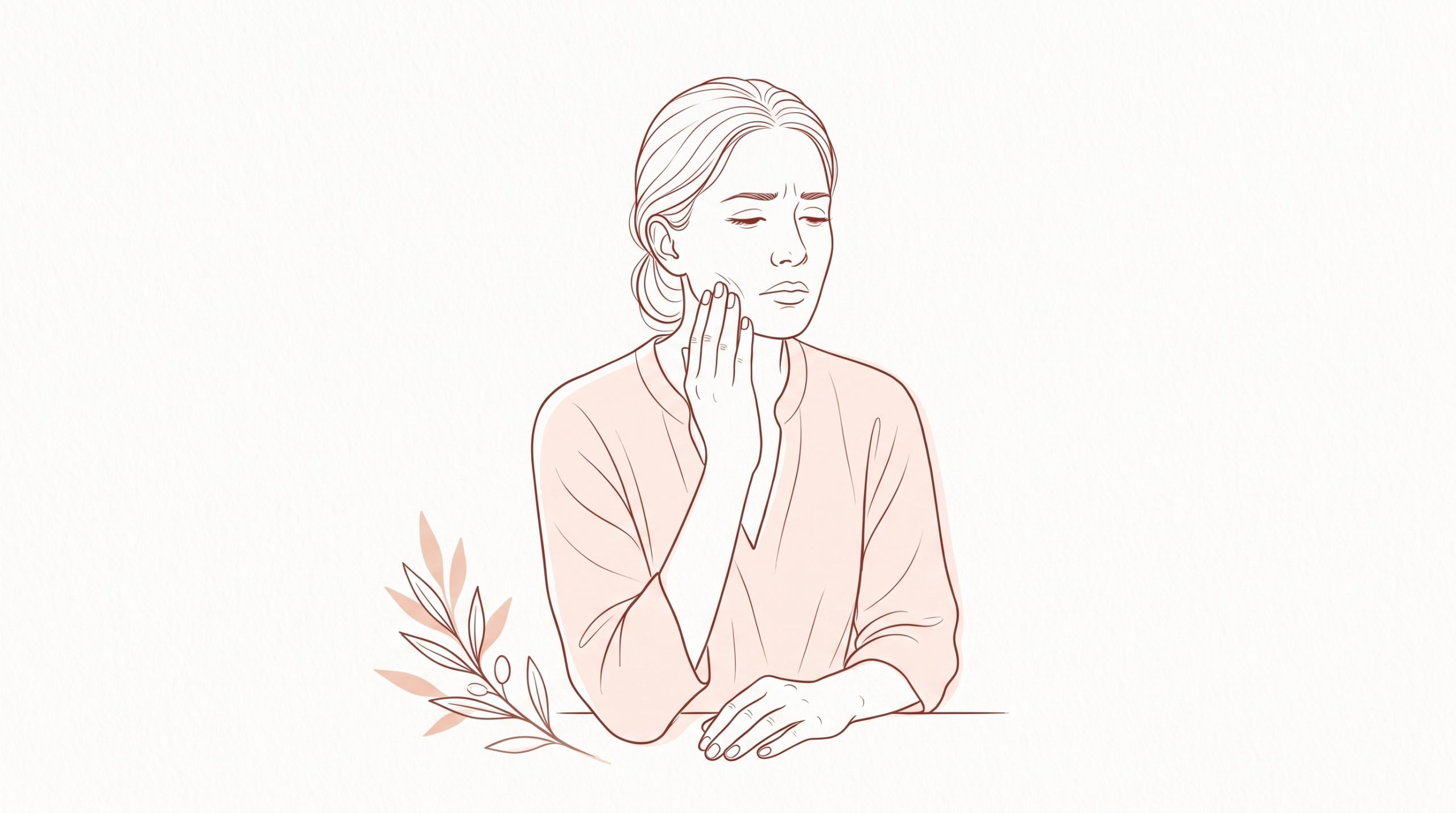
Dental pain is not always an emergency, but it should not be ignored if it is strong, persistent or linked with swelling or injury. Pain is your body’s way of signalling that something may be irritating the nerve, gums or surrounding tissues.
You should contact a dentist promptly if you notice:
- Toothache that is severe, throbbing or keeping you awake
- Swelling in the gum, jaw, cheek or face
- A broken, chipped or cracked tooth
- A knocked-out, loose or displaced adult tooth
- Pain when biting or chewing
- Sensitivity to hot or cold that lingers after the trigger is removed
- Pus, a bad taste or a pimple-like swelling on the gum
- Bleeding after an injury that does not settle with gentle pressure
- A lost filling, crown or dental restoration causing pain or sharp edges
For more detail on possible causes of severe dental pain, CP Dental has a guide to what can cause excruciating tooth pain, including decay, infection, trauma and cracks.
Searching for dental help near me: where should you go?
The right place to seek care depends on your symptoms, your general health and whether the issue involves injury, infection or uncontrolled pain.
| Situation | Where to seek help | Why it matters |
|---|---|---|
| Toothache, broken tooth, lost filling or dental sensitivity | A dentist | A dental examination can identify the likely cause and whether treatment is needed |
| Knocked-out adult tooth or tooth pushed out of position | A dentist as soon as possible | Timing can affect whether some teeth may be repositioned or replanted |
| Facial swelling, fever or worsening dental infection symptoms | A dentist promptly, or urgent medical care if severe | Infection can spread and may need timely management |
| Swelling affecting breathing, swallowing or the eye area | Emergency medical care | These symptoms may indicate a serious infection requiring urgent medical assessment |
| Jaw injury, heavy bleeding or significant facial trauma | Hospital emergency department or urgent medical care | Medical imaging or trauma care may be needed before or alongside dental treatment |
In Queensland, CP Dental sees patients across its Coopers Plains, Mater Hill and Emerald locations. If you are unsure whether your symptoms are urgent, contacting a dental practice and describing what has happened can help you understand the most appropriate next step. For severe swelling, breathing difficulty, swallowing difficulty or significant trauma, seek urgent medical help.
Healthdirect provides general information about dental abscess symptoms and when urgent care may be needed. This can be useful if you are trying to decide whether swelling or infection symptoms require immediate attention.
What to do before your dental appointment
The right first-aid step depends on the problem. These measures are general only and do not replace advice from a dentist or doctor.
For tooth pain, rinse your mouth gently with warm water and use dental floss carefully if food feels trapped between teeth. Avoid placing aspirin directly on the gum or tooth, as this can irritate soft tissues. If you can take over-the-counter pain relief safely, follow the instructions on the packet or speak with a pharmacist.
For a chipped or broken tooth, save any fragments if you can. Avoid chewing on that side, especially if the tooth feels sharp, sensitive or unstable. If there is a sharp edge cutting your cheek or tongue, dental wax from a pharmacy may offer temporary protection until you are seen.
For a knocked-out adult tooth, handle it by the crown, which is the visible white part, not the root. If it is dirty, rinse it briefly with milk or saline without scrubbing. If possible, place it back in the socket and bite gently on clean gauze. If that is not possible, store it in milk or saliva and seek dental care immediately. Do not attempt to reinsert a baby tooth, as this may affect the developing adult tooth underneath.
For swelling, do not apply heat to the face. A cold compress may help with discomfort after trauma, but swelling linked with infection needs professional assessment. If swelling is spreading or you feel unwell, seek urgent advice.
What a dentist may check during an urgent appointment
An appointment for tooth pain or damage usually starts with a conversation about your symptoms. Your dentist may ask when the pain started, whether it comes and goes, what triggers it and whether there has been an injury. They may also ask about medical conditions, medicines, allergies and whether you are pregnant, as these details can affect treatment planning.
The examination may include checking the tooth, gums, bite and surrounding soft tissues. Your dentist may gently test whether a tooth responds to cold, pressure or tapping. In some cases, dental X-rays may be recommended to assess the tooth roots, bone and areas that cannot be seen directly.
The purpose of this appointment is not only to relieve symptoms where appropriate. It is also to understand what has caused the problem so that you can consider your options. Depending on the findings, your dentist may discuss monitoring, a filling, a crown, root canal treatment, extraction, gum treatment or referral for more complex care. Not every option is suitable for every patient, and all dental procedures carry potential risks and benefits.
Common reasons teeth hurt or break
Tooth pain and damage can have several causes. Sometimes the problem is obvious, such as a tooth breaking while eating. Other times, the cause is hidden under an old filling, between teeth or inside the nerve space of the tooth.
Common possibilities include decay, a cracked tooth, a leaking or broken filling, gum disease, infection around the root, tooth grinding, dental trauma and enamel wear. Tooth sensitivity can also come from gum recession or acid erosion. If your symptoms are more like sharp sensitivity than constant pain, CP Dental’s guide on tooth sensitivity and pain explains possible triggers and practical ways to reduce irritation while you arrange advice.
A tooth may need root canal treatment if the pulp, which is the soft tissue inside the tooth containing nerves and blood vessels, becomes inflamed or infected. This can happen after deep decay, a crack or trauma. If root canal treatment is being discussed, you may find it useful to read CP Dental’s overview of why a root canal may be needed.
How urgent is a broken tooth?
A broken tooth should be assessed, but the timing depends on symptoms and the extent of the damage. A small chip with no pain may not need same-day care, although it is still worth booking an appointment to smooth sharp edges and assess whether the tooth structure is stable.
More urgent situations include a tooth that is painful, cracked through the middle, loose, bleeding from the centre, causing swelling or making it difficult to bite. If an adult tooth has been knocked out, pushed sideways or moved higher or lower than usual, contact a dentist immediately.
If you are unsure, describe what happened when you call the dental practice. Useful details include when the injury occurred, whether a tooth fragment was saved, whether the tooth feels loose, whether there is swelling and whether pain is constant or triggered by biting, hot, cold or sweet foods.
Choosing a dental practice when you need help quickly
When you are in pain, it can be tempting to book anywhere without asking questions. It is reasonable to choose a dental practice that can explain what to expect, discuss fees before treatment where possible and give you balanced information about potential benefits, limitations and alternatives.
You may want to ask:
- Whether the practice can assess tooth pain, swelling or dental damage
- What information you should provide before the appointment
- Whether you should bring tooth fragments, a lost crown or a knocked-out tooth stored in milk
- Whether X-rays may be required and how costs are discussed
- What to do if symptoms worsen before your appointment
Some patients also look for a practice philosophy that considers oral health as part of general health. For example, Origin Dental Wellness describes a health-centred dental approach in the United States. In Australia, you should also check that your treating practitioner is appropriately registered and that any proposed dental treatment is based on your individual oral health needs.
What treatment might involve
Treatment for tooth pain or damage is guided by the diagnosis. A small area of decay may be treated differently from a cracked tooth, abscess or traumatic injury. Your dentist can explain what they have found and why they recommend a particular approach.
Possible treatment pathways may include smoothing a rough edge, placing a filling, repairing or replacing a restoration, recommending a crown to protect weakened tooth structure, draining or treating an infection, considering root canal treatment, removing a tooth that cannot be predictably restored or referring you for specialist care when needed.
Antibiotics are not always required for dental pain and do not fix the source of many dental infections on their own. A dentist or doctor can advise whether they are appropriate based on your symptoms and health history.
If a tooth cannot be saved, your dentist can discuss replacement options after the urgent issue is managed. This may include doing nothing for a period, a denture, bridge or implant, depending on your oral health, bone support, medical history, budget and preferences.
When to seek medical care instead of waiting for a dentist
Most tooth pain and dental damage should be assessed by a dentist. However, some symptoms need urgent medical attention, especially if infection or trauma may affect your general health.
Seek urgent medical care if you have swelling that affects breathing or swallowing, swelling spreading towards the eye or neck, fever with facial swelling, confusion, severe uncontrolled bleeding, a major facial injury or a jaw injury that affects opening and closing your mouth. If you are unsure whether symptoms are serious, contact a health advice line, emergency department or call 000 in an emergency.
Frequently asked questions
Can tooth pain go away on its own? Some irritation can settle, especially if it is related to temporary sensitivity, but persistent or severe tooth pain should be assessed. Pain may reduce even when an underlying infection or crack remains, so a dental examination is the safer way to understand the cause.
Should I go to a dentist or doctor for tooth pain? A dentist is usually the right practitioner for tooth pain because they can examine the teeth, gums and bite. A doctor or emergency department may be appropriate if you have spreading swelling, fever, breathing or swallowing difficulty, significant trauma or other general health concerns.
What should I do if my tooth breaks but does not hurt? Avoid chewing on that side and book a dental appointment. A broken tooth can have weakened enamel, exposed dentine or cracks that may worsen, even if there is no pain at first.
Is a knocked-out baby tooth treated the same as an adult tooth? No. Do not put a knocked-out baby tooth back into the socket, as this may affect the adult tooth underneath. Store the tooth if you have it and contact a dentist for advice.
Will I need treatment on the same day? That depends on the cause, severity and your individual circumstances. Your dentist may provide urgent care, recommend temporary measures, plan further treatment or refer you if more complex care is required.
Getting dental help at CP Dental
If you need dental help for tooth pain or damage, a dental examination can help identify the cause and which options may be appropriate. CP Dental provides general, emergency, cosmetic and restorative dental care, with appointments available across Coopers Plains, Mater Hill and Emerald.
To discuss your concerns, you can book an appointment with the team at CP Dental at the Coopers Plains, Mater Hill or Emerald location. If your symptoms include breathing difficulty, swallowing difficulty, severe facial swelling or major trauma, seek urgent medical care rather than waiting for a dental appointment.