Yes, you may be able to see a dentist on Saturday for tooth pain, depending on clinic availability, the severity of your symptoms and the type of care needed. If you are searching for dental clinics open on Saturday, check live appointment options and describe your symptoms clearly when you contact the practice.
Tooth pain can come from several causes, including tooth decay, a cracked tooth, gum inflammation, a loose filling, infection or trauma. Some symptoms can wait for the next available dental appointment, but others need prompt assessment. If you have facial swelling, fever, difficulty swallowing, difficulty breathing, uncontrolled bleeding or a significant facial injury, seek urgent medical care or call 000.
Can dental clinics open on Saturday treat tooth pain?
Many dental clinics that open on Saturdays can assess tooth pain, but weekend appointments are often more limited than weekday appointments. A Saturday visit may be used to diagnose the likely cause, relieve acute discomfort where appropriate and discuss what further treatment may be needed.
It is helpful to remember that a Saturday appointment does not always mean every treatment can be completed on the same day. Depending on the problem, your dentist may recommend a temporary filling, an X-ray, medication advice, a follow-up procedure or referral for care that needs more time or planning.
CP Dental provides general, emergency, cosmetic and restorative dental services across its Coopers Plains, Mater Hill and Emerald locations, with online appointment booking available. If you are trying to arrange care outside typical weekday hours, check the current booking options and contact the practice directly if your symptoms seem urgent.
When Saturday tooth pain should be treated as urgent
Tooth pain can be difficult to judge at home because the intensity does not always match the seriousness of the underlying problem. A small crack can cause sharp pain, and an infection may start with a dull ache before swelling develops.
Healthdirect provides general guidance on toothache, including when to seek dental advice and when symptoms may need urgent attention. The table below can help you decide how quickly to seek care, but it is not a substitute for a dental examination.
| Symptom or situation | What it may suggest | What to do |
|---|---|---|
| Mild sensitivity to cold that settles quickly | Enamel wear, gum recession or early decay | Book a routine dental appointment, especially if it keeps returning |
| Toothache that persists for hours or wakes you at night | Decay, nerve irritation, infection or a cracked tooth | Arrange a dental appointment as soon as practical |
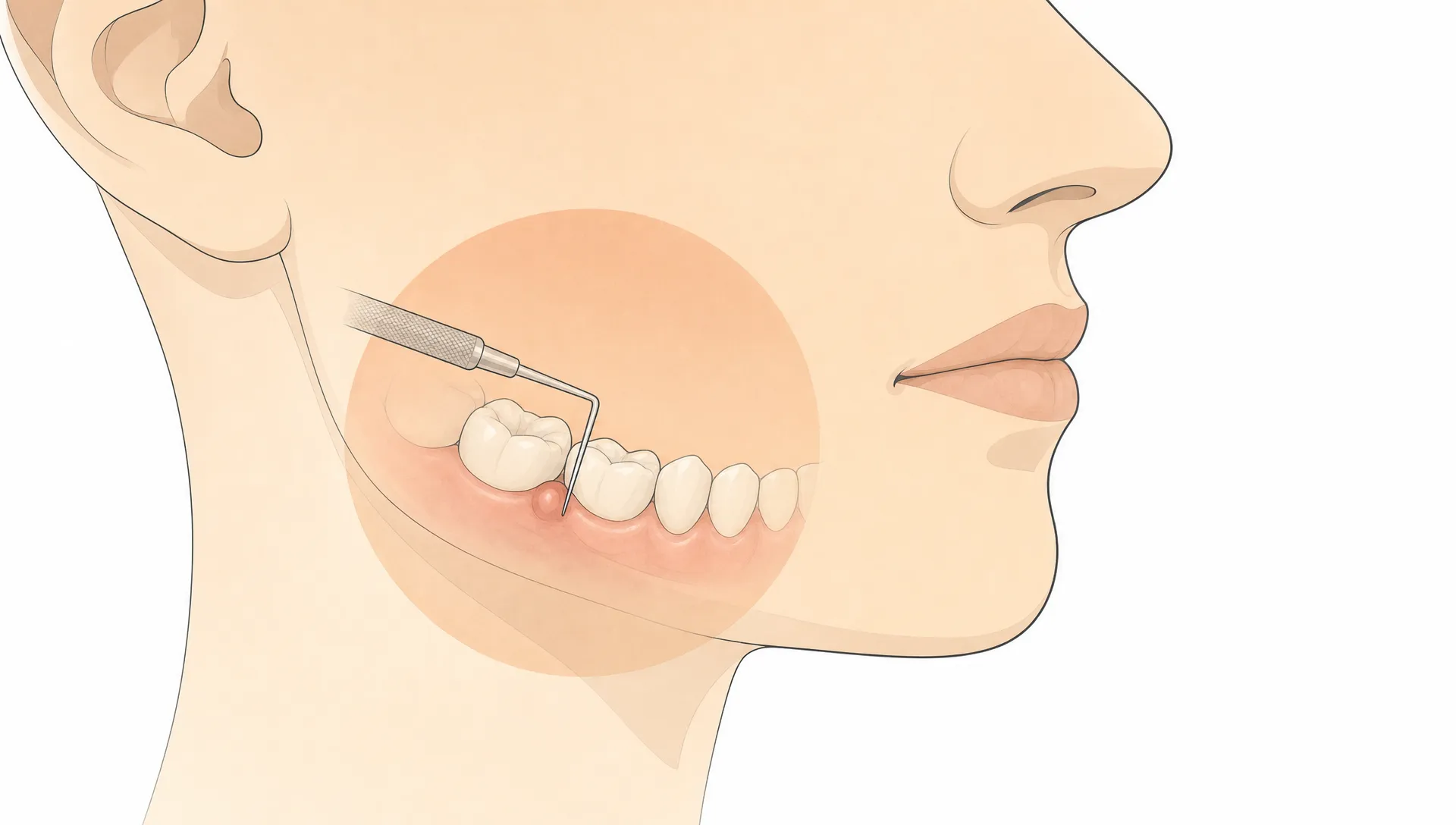
| Swelling in the gum, face or jaw | Possible dental infection or abscess | Seek prompt dental or medical advice |
| Fever, feeling unwell or spreading swelling | Infection that may be affecting general health | Seek urgent medical or dental care |
| Trouble swallowing, breathing or opening your mouth | Potentially serious infection or injury | Call 000 or attend an emergency department |
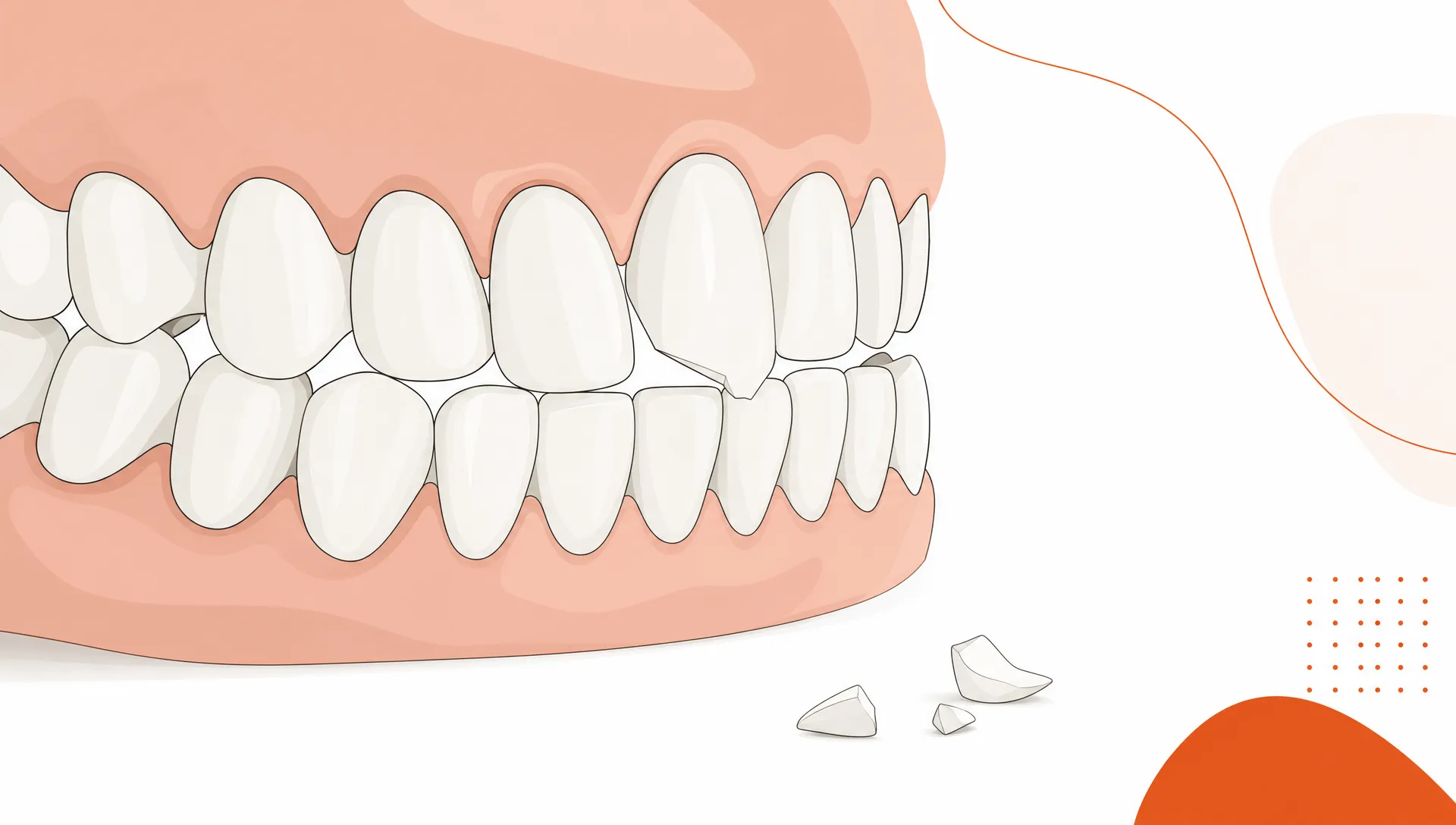
| Broken tooth, knocked tooth or facial trauma | Dental injury requiring assessment | Seek urgent dental advice, or emergency care for major injury |
If you are unsure where your symptoms fit, it can help to read more about where to get dental help for tooth pain or damage. For severe symptoms, do not wait for a convenient appointment time.
What might happen at a Saturday dental appointment?
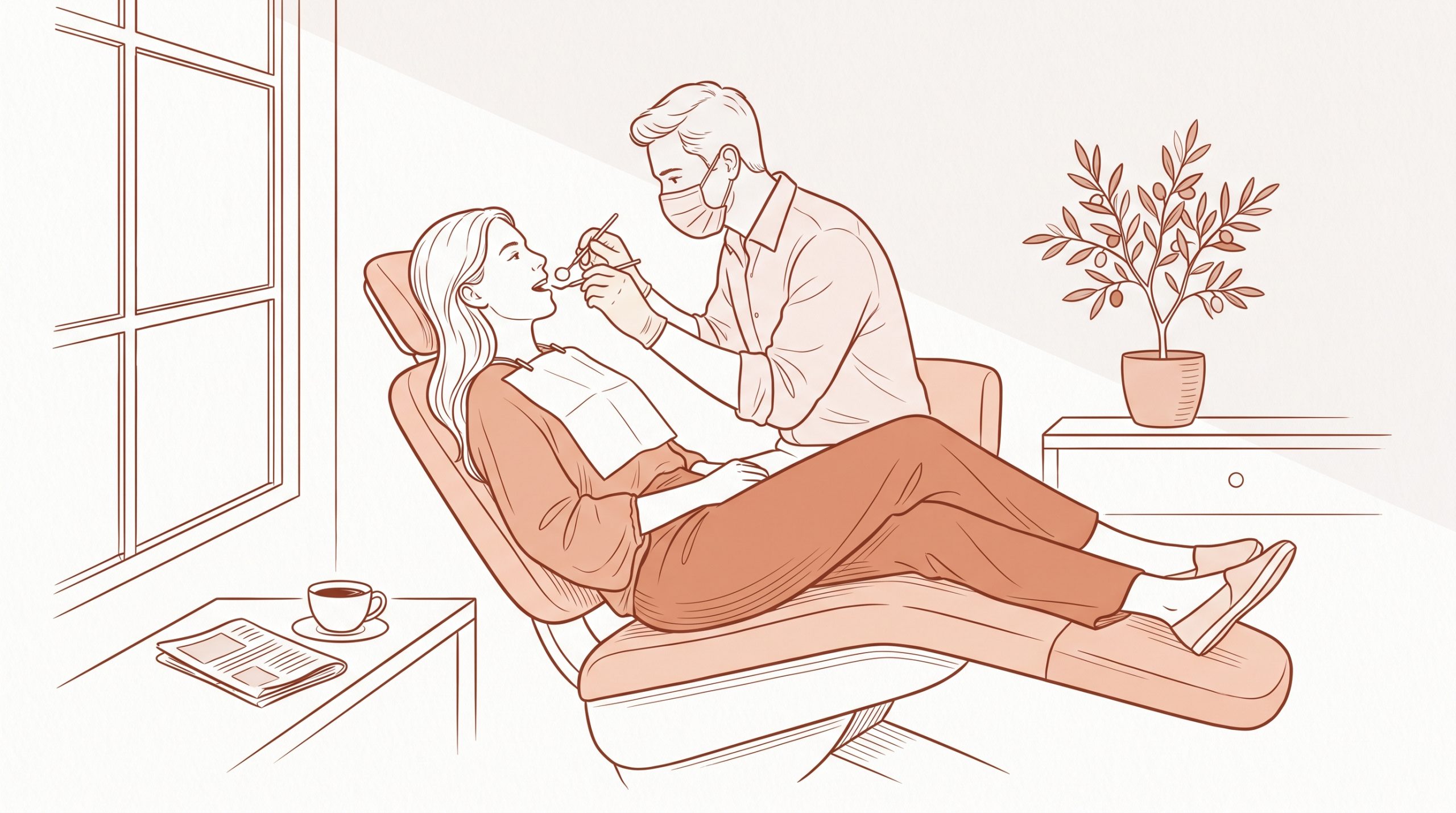
A tooth pain appointment usually begins with questions about your symptoms. Your dentist may ask when the pain started, whether it is sharp or dull, what triggers it and whether you have swelling, a bad taste, bleeding or recent injury.
The dentist may then examine the tooth, gums, jaw and nearby teeth. In some cases, a dental X-ray may be recommended to check for decay, infection, bone changes, cracks or problems beneath an existing filling or crown. X-rays are only recommended when clinically appropriate.
Possible next steps depend on the diagnosis and your individual circumstances. A dentist may discuss options such as a filling, temporary restoration, root canal treatment, extraction, bite adjustment, gum treatment or monitoring. Suitability depends on factors such as your oral health, medical history, the condition of the tooth and your preferences.
All dental procedures carry potential risks and benefits. Your dentist should explain the likely reason for your pain, what options may be available and what may happen if treatment is delayed.
What you can do while waiting for a dentist
If your pain is manageable and you are waiting for a Saturday appointment or the next available time, simple self-care may help reduce irritation. These steps do not treat the cause of tooth pain, but they may make the wait more comfortable.
- Rinse gently with warm salty water if your mouth feels irritated.
- Use dental floss carefully to remove trapped food if you can do so without forcing it.
- Apply a cold compress to the outside of the cheek if there is swelling or recent injury.
- Take over-the-counter pain relief only if it is suitable for you and follow the label or pharmacist advice.
- Avoid very hot, cold, sweet or hard foods if they trigger pain.
- Do not place aspirin directly on the gum or tooth, as it may irritate the soft tissue.
- If a tooth is broken, avoid chewing on that side and keep any fragment if it is available.
If symptoms worsen, swelling spreads or you start to feel unwell, seek urgent advice rather than waiting for the appointment.
If you cannot find a Saturday appointment
If you cannot find a dentist open on Saturday, the right next step depends on your symptoms. For mild sensitivity or a small chip without pain, booking the next available dental appointment may be reasonable. For ongoing or worsening toothache, swelling or dental trauma, it is safer to seek advice promptly.
Hospital emergency departments are not usually designed to provide routine dental treatment, but they can assess serious infection, facial injury, uncontrolled bleeding or symptoms affecting breathing or swallowing. If you have any of those symptoms, medical care should not be delayed because a dental clinic is closed.
For non-life-threatening tooth pain, contacting a dental clinic and explaining your symptoms clearly can help the team advise whether you may need an urgent appointment. Mention swelling, fever, recent injury, pregnancy, medical conditions, medications and whether the pain is affecting sleep or eating.
Tooth pain is not always caused by the tooth
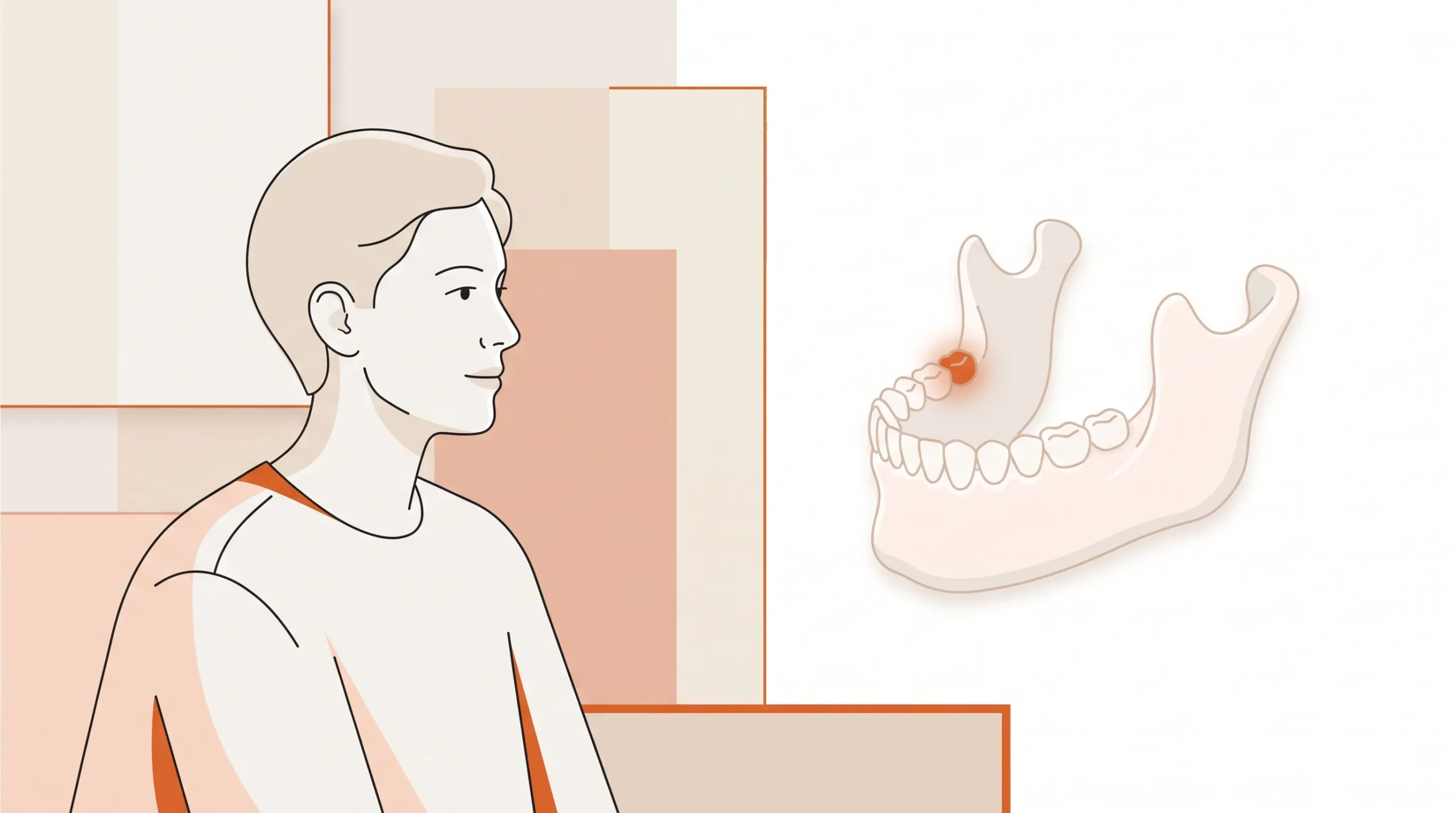
Pain around the jaw, cheek or ear can sometimes feel like tooth pain even when the source is not the tooth itself. Sinus congestion, jaw joint problems, muscle tension, nerve pain and referred pain can all mimic dental discomfort.
A dental examination can help identify whether the pain appears to be coming from a tooth, the gums, the jaw joint or another source. General musculoskeletal pain is usually managed through different services, such as physiotherapy, chiropractic or pain management clinics. For example, a clinic focused on musculoskeletal and pain relief care is addressing a different category of pain than a dental toothache. If pain is in or around a tooth or gum, a dentist is usually the appropriate first point of contact.
If your main symptom is sensitivity rather than constant pain, the cause may be enamel wear, gum recession, acid erosion, grinding or early decay. You may find it useful to read about common causes of tooth sensitivity and pain. If the pain is intense, throbbing or associated with swelling, information about possible causes of excruciating tooth pain may also help you understand why prompt assessment matters.
How to prepare when calling dental clinics open on Saturday
When contacting a clinic, clear information can help the dental team understand how urgent your situation may be. You do not need to diagnose the problem yourself. Focus on what you can observe.
Helpful details include how long the pain has been present, which tooth or area hurts, whether the pain is constant or triggered, whether there is swelling and whether you have had recent dental work or trauma. If you have a broken tooth, lost filling, dental crown issue or knocked tooth, mention this when booking.
If you have a medical condition, take blood thinners, are pregnant or have allergies to medications, tell the clinic before the appointment. This helps the dentist consider your care safely and appropriately.
Frequently Asked Questions
Can I see a dentist on Saturday if my tooth pain started overnight? You may be able to, depending on clinic availability and the severity of your symptoms. If the pain is severe, worsening or linked with swelling, fever or trauma, seek prompt advice rather than waiting.
Is tooth pain always a dental emergency? Not always. Mild sensitivity that settles quickly may be suitable for a routine appointment, but persistent toothache, swelling, fever, a broken tooth or dental injury should be assessed sooner.
Can antibiotics fix tooth pain? Antibiotics do not repair decay, cracks or damaged dental nerves. They may be considered for some infections, but only when clinically appropriate. A dentist needs to assess the cause before recommending treatment.
What if no Saturday dental appointment is available? If symptoms are mild, book the next available dental appointment and monitor the area. If you have swelling, fever, uncontrolled bleeding, facial trauma or trouble breathing or swallowing, seek urgent medical care.
Will treatment be completed during the first appointment? Sometimes, but not always. The first appointment may focus on diagnosis, relieving symptoms where possible and discussing suitable treatment options. More complex care may require follow-up visits.
Discussing tooth pain with CP Dental
Tooth pain is your body’s signal that something may need assessment, but the right treatment depends on the cause. A dental examination can help determine whether the issue is decay, infection, a crack, gum inflammation, trauma or another concern.
To discuss your symptoms, you can book an appointment with CP Dental at the Coopers Plains, Mater Hill or Emerald location. The dentist can assess your oral health and explain the potential benefits, risks and alternatives of any treatment options that may be suitable for your circumstances.