If you need dental care for people without insurance, the most useful starting point is not to wait until something hurts. Private health insurance can reduce some out of pocket costs, depending on the policy, but it is not the only way to plan dental visits. A clear plan can help you prioritise preventive care, understand likely fees before treatment starts and know which public or government supported options may apply to your family.
In Australia, many adults pay for dental care privately. That can feel stressful if you are balancing rent, groceries, school costs or regional travel, but your dentist should be able to explain options in plain language before you make a decision. This article outlines practical steps Queensland patients can use when planning dental care without private health cover.
What changes when you do not have private health insurance?
Private health insurance extras cover is separate from Medicare. Some policies contribute towards check-ups, cleans, fillings, extractions, orthodontics or major dental treatment, but benefits vary widely. Policies can also include annual limits, waiting periods, preferred provider rules and exclusions.
Without extras cover, you usually pay the private dental fee yourself unless you are eligible for a public program, a government benefit or another arrangement. This does not mean you should avoid the dentist altogether. It means it becomes more important to ask clear questions before treatment starts.
A dental estimate should help you understand what is being recommended, why it is being recommended and whether there are reasonable alternatives. For example, a toothache appointment might involve an examination and X-ray first, then a discussion about whether a filling, root canal treatment, extraction or monitoring is appropriate. The right option depends on the diagnosis, the tooth, your medical history and your preferences.
Why dental care for people without insurance starts with prevention
Preventive care is often the most manageable part of a dental budget because it focuses on finding problems before they become more complex. It may include a dental examination, professional cleaning, fluoride advice, gum health checks, X-rays when clinically needed and personalised home care guidance.
The Australian Dental Association’s public information site, Teeth.org.au, explains that brushing with fluoride toothpaste, cleaning between teeth and limiting frequent sugary snacks all play a role in reducing decay risk. These daily habits cannot replace dental care when a problem is already present, but they can reduce the chance of avoidable issues developing.
How often you need check-ups is individual. Some people may be advised to attend every six months, while others may be suitable for a different interval based on decay risk, gum health, dry mouth, medical conditions or previous dental treatment. CP Dental has a separate guide to routine dental care in Australia if you want a broader explanation of what regular appointments can involve.
Build a simple dental budget before problems become urgent
For many households, dental care for people without insurance becomes easier to manage when it is treated as a planned health expense rather than a surprise bill. You do not need a complicated spreadsheet. A basic yearly allowance for check-ups and a separate emergency buffer can make decision making less stressful.
Start by asking your dental practice what the appointment is likely to involve and whether a fee estimate can be provided before treatment proceeds. Fees can change if the dentist finds something unexpected, but an estimate gives you a starting point.
| Planning area | What to ask | Why it matters |
|---|---|---|
| Examination | What is included in the appointment fee? | Helps you understand whether X-rays, cleaning or other services are separate |
| Treatment plan | Can I have an itemised estimate? | Makes it easier to compare options and plan timing |
| Urgency | What could happen if I wait? | Helps you weigh financial pressure against dental risks |
| Alternatives | Are there other suitable treatment options? | Some situations have more than one reasonable approach |
| Staging | Can treatment be completed in stages if clinically appropriate? | May help spread costs without ignoring urgent needs |
If cost is a major concern, say so early. Dentists are used to discussing priorities. They cannot always reduce the amount of care a tooth needs, but they can explain what is urgent, what can be monitored and what risks may come with delaying treatment.
Check public dental programs and government benefits
When planning dental care for people without insurance, check whether you or your child may be eligible for public dental services or a Commonwealth benefit. Eligibility rules can change, so it is worth confirming details with the relevant government source rather than relying on outdated advice.
For children, the Child Dental Benefits Schedule provides a capped benefit for basic dental services for eligible children. Services Australia lists current eligibility criteria, the benefit cap and what types of dental services may be covered. If your child may be eligible, ask the dental practice how claims are handled before booking treatment.
Queensland residents may also be able to access public oral health services depending on age, concession card status and other eligibility rules. The Queensland Government provides information about public dental services in Queensland, including how to access care and what to expect. Public services can be very important for eligible patients, although waiting times and service availability can vary.
Medicare generally does not cover most routine adult dental treatment in private dental clinics. There are limited exceptions and specific schemes, so it is sensible to check official sources if you are unsure.
Prioritise care by risk, not by cosmetic preference alone
If you are paying privately, it can be tempting to delay everything. Sometimes short delays are reasonable, but some dental problems become more difficult or costly if they are left untreated. The safest approach is to ask your dentist to explain clinical priority.
A practical approach to dental care for people without insurance is to ask which problems need attention first because of pain, infection, decay depth, gum disease, tooth cracks or risk of tooth loss. Cosmetic goals can still be discussed, but they usually sit behind active disease, pain or structural problems.
Symptoms that may need prompt dental assessment include:
- Facial swelling, especially if it is spreading or associated with fever
- Toothache that is severe, persistent or affecting sleep
- Dental trauma, such as a knocked, cracked or loosened tooth
- Bleeding that does not settle after an extraction or injury
- Signs of infection, such as pus, a bad taste or swelling around the gum
- Difficulty swallowing, breathing or opening the mouth, which may require urgent medical care
Not every uncomfortable tooth needs the same treatment. A clinical examination is needed before a dentist can recommend a suitable option. All dental procedures carry potential benefits and risks, and treatment outcomes vary between patients.
Ask for an itemised estimate and understand what affects fees
Dental fees are influenced by the type of appointment, the time involved, the materials used, the complexity of the problem and whether X-rays, laboratory work or follow-up visits are needed. A small filling on one surface of a tooth is different from a large restoration on a back tooth that needs extra support.
Before agreeing to treatment, it is reasonable to ask:
- What treatment is being recommended and why?
- Is the problem urgent or can it be monitored for a period?
- What are the likely risks of doing nothing for now?
- Are there other clinically suitable options?
- What is included in the estimate and what could change?
- Will I need further visits after this appointment?
CP Dental has a related article on questions to ask before booking affordable dentist care, including how to discuss estimates, X-rays, risks and payment questions. If your immediate concern is decay, the guide on what affects the cost of a dental filling explains why filling fees can vary from one tooth to another.
Consider whether private health insurance suits your situation
Some patients search for insurance after receiving a dental treatment estimate. Private health cover may be useful for some households, but it is not automatically the most cost effective option for everyone. Extras policies often have waiting periods, annual limits and maximum rebates per service.
If you are comparing private cover with dental care for people without insurance, look at the full yearly premium, likely dental needs, waiting periods, benefit limits and exclusions. It may also be worth checking whether the policy covers the types of care you are most likely to use, such as preventive visits, fillings, orthodontics or major dental work.
This is a financial decision as well as a health decision. Read the policy documents carefully and consider independent financial information if you need help comparing products. A dental practice can usually provide item numbers and treatment estimates, but it cannot tell you which insurance policy to buy.
Plan family dental visits with age and risk in mind
Families without private health insurance often have to decide whose appointment comes first. A practical plan considers age, symptoms, previous dental history and eligibility for public programs.
Children may need appointments for tooth development checks, decay prevention, mouthguard advice or concerns about crowding. Teens and young adults may need support with wisdom teeth, orthodontic concerns, sports injuries or diet related decay risk. Adults may need gum checks, replacement fillings, pain assessment or advice about tooth wear.
If several family members are due, ask whether appointments can be coordinated and whether each person needs the same type of visit. Do not assume everyone needs the same frequency of care. A child at higher decay risk, an adult with gum disease and a young adult with no symptoms may all have different recall recommendations.
What to expect at an appointment when you are paying yourself
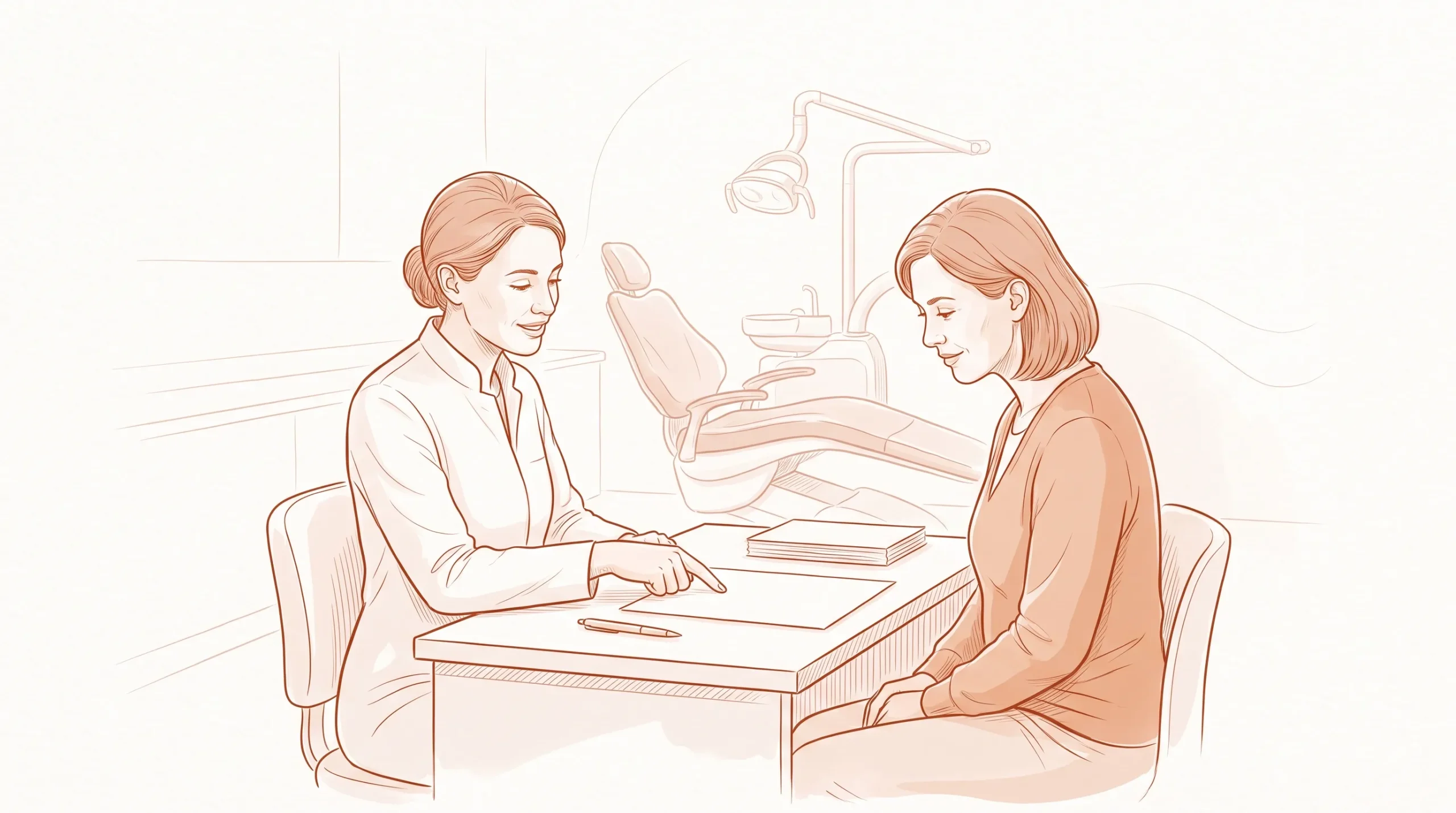
A good appointment should help you understand your oral health, not pressure you into treatment. If you are seeking dental care for people without insurance, tell the team that you are paying privately and would like to understand costs before anything beyond the initial assessment proceeds.
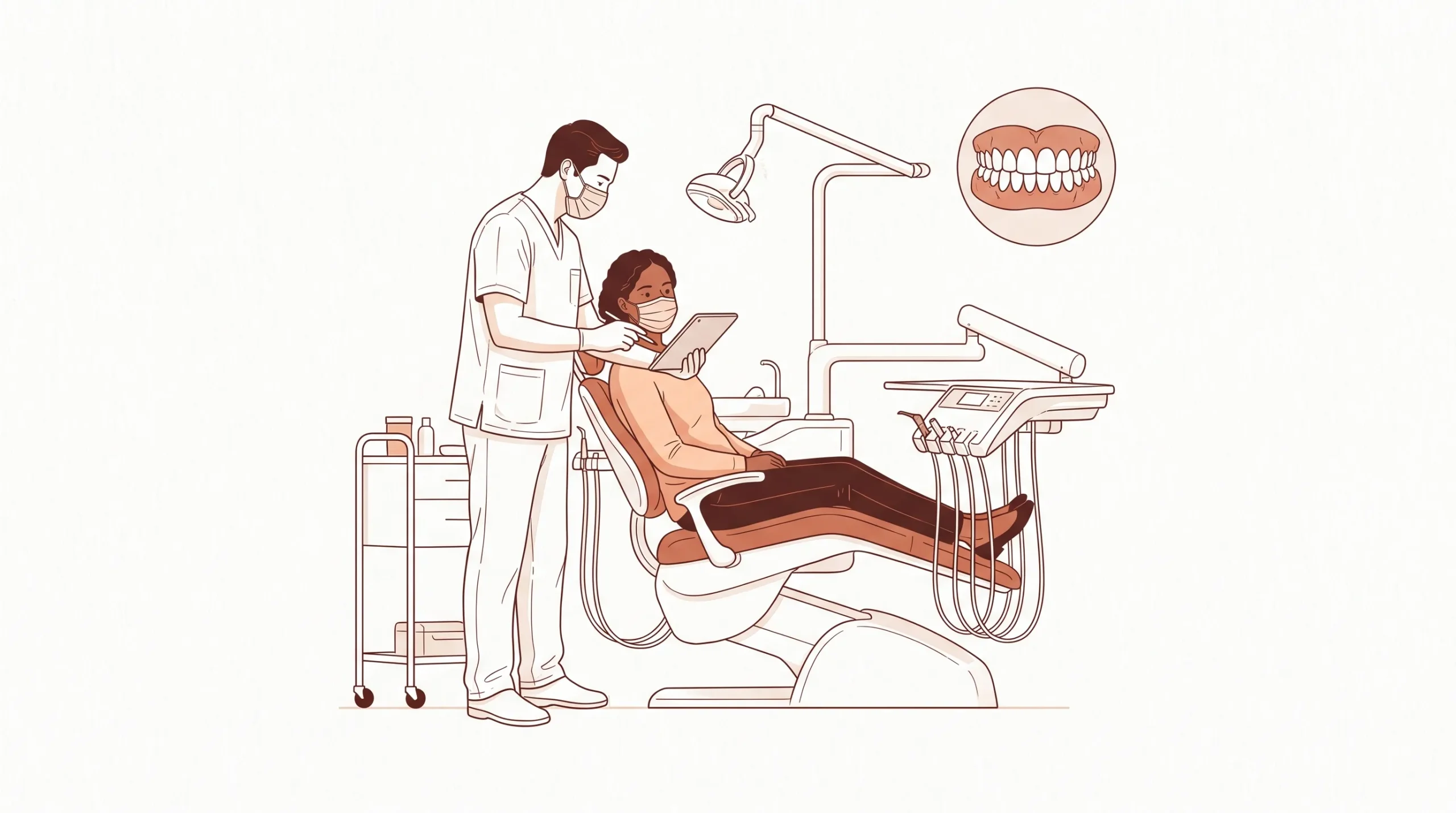
Depending on your concern, the dentist may ask about your symptoms, medical history, medications and previous dental treatment. They may examine your teeth, gums, bite, jaw joints and soft tissues. X-rays may be recommended when they are clinically justified, such as checking between teeth, assessing a painful tooth or reviewing bone levels around teeth.
After the assessment, your dentist can explain what they found and discuss possible next steps. In some cases, no treatment is needed beyond preventive care and monitoring. In other cases, treatment may be recommended to address decay, infection, gum disease, cracks, missing teeth or cosmetic concerns. Suitability depends on your individual oral health, medical history, anatomy and goals.
Practical ways to reduce avoidable dental costs
Not every dental cost can be avoided, especially if infection, trauma or advanced decay is already present. However, many people can reduce future risk with consistent daily habits and early advice.
Helpful steps include brushing twice daily with fluoride toothpaste, cleaning between teeth, drinking tap water where available, limiting frequent sugary drinks and snacks, wearing a custom mouthguard for contact sport if recommended and avoiding using teeth to open packaging. If you smoke or vape, quitting can support gum and general health. The Australian Government funded Quit provides information and support for people considering stopping smoking or vaping.
If you grind or clench your teeth, have dry mouth, take medications that affect saliva, live with diabetes or have had extensive dental work, tell your dentist. These factors can influence decay risk, gum health and how often review appointments may be recommended.
Frequently Asked Questions
Can I see a private dentist without private health insurance? Yes. Many Australian patients attend private dental clinics without extras cover and pay the fee themselves. You can ask for an estimate before treatment and discuss which options may be suitable for your circumstances.
How can I reduce the cost of dental care for people without insurance? Focus on prevention, ask for itemised estimates, check eligibility for public programs or the Child Dental Benefits Schedule and discuss whether treatment can be staged when clinically appropriate. Avoid delaying urgent symptoms without professional advice.
Does Medicare cover dental treatment for adults? Medicare generally does not cover most routine adult dental treatment in private clinics. Some government programs or public dental services may apply for eligible people, so check official sources for your circumstances.
Should I buy private health insurance before dental treatment? It depends on the policy, waiting periods, limits and your likely treatment needs. A dentist can provide item numbers and estimates, but choosing insurance is a financial decision that requires reading the policy details carefully.
What if I have tooth pain but cannot afford major treatment immediately? Book an assessment if you can. The dentist can identify the cause, explain the risks of waiting and discuss options. If you have facial swelling, fever, difficulty breathing or difficulty swallowing, seek urgent medical or dental care.
Planning your next step
Dental costs can feel more manageable when you have clear information, a written estimate and a sense of priority. If you are unsure where to start, a dental examination can help identify what is urgent, what can be monitored and which options may be appropriate for your situation.
To discuss your concerns, you can book an appointment with the team at CP Dental at the Coopers Plains, Mater Hill or Emerald location. The dentist can assess your oral health and explain the potential benefits, risks and alternatives before you decide how to proceed.