Choosing an affordable general dentist for ongoing care is about more than finding the lowest appointment fee. For many Queensland families, the better question is whether a dental practice can provide clear information, preventive support and treatment options that make sense over time, not just at one visit.
Ongoing dental care usually includes regular check-ups, professional cleaning, gum health checks, X-rays when clinically indicated, advice for home care and early management of common concerns. The aim is to help you understand your oral health, make informed decisions and avoid rushed choices where possible.
What an affordable general dentist should mean for ongoing care
Affordability in dentistry is not only about the initial price. A very cheap visit may not feel affordable if the costs are unclear, if recommended treatment is not explained or if small concerns are left until they become more complex. An affordable general dentist should be able to discuss your priorities, explain what is clinically necessary and outline possible options without pressure.
For ongoing care, value often comes from consistency. Seeing the same practice over time can make it easier to monitor changes in your teeth, gums, bite and soft tissues. It also gives your dentist a clearer picture of your dental history, medical background and past treatment.
General dentistry can cover more than many people expect, including preventive care, fillings, gum care, pain assessment and treatment planning. If you would like a broader overview, CP Dental has a helpful guide on what general dentistry services cover beyond check-ups.
Why ongoing dental care can be more cost-conscious than only booking when something hurts
Many people delay dental visits because they are worried about cost. That is understandable, especially when household expenses are high. However, waiting until pain, swelling or a broken tooth occurs can sometimes reduce the number of treatment options available.
A dentist cannot guarantee that regular visits will prevent every problem. Teeth can still chip, decay can still develop and gum conditions can change due to health, medications, diet, age and home care. However, routine dental care may help identify some issues earlier, when they may be simpler to manage.
An affordable general dentist should focus on prevention where appropriate, rather than assuming that treatment is always the first answer. This might include advice about brushing technique, flossing or interdental cleaning, fluoride use, diet patterns, mouthguards for grinding or sport and the timing of check-ups based on your individual risk.
For general oral health information written for Australian patients, the Australian Dental Association’s consumer resource Teeth.org.au is a useful starting point.
Signs a dental practice may be suitable for ongoing care
Choosing a dentist is personal. Cost matters, but so does communication, comfort, access, clinical judgement and whether you feel you can ask questions.
Clear estimates and treatment explanations
Before treatment begins, you should be able to ask what is being recommended, why it is being considered and what the likely costs may include. In many cases, a written estimate can help you compare your options and understand any out-of-pocket expenses.
A useful estimate may include the item numbers, the tooth or area involved, whether X-rays are recommended, whether anaesthetic may be used and whether more than one appointment is expected. This does not remove all uncertainty, as dental findings can change once treatment starts, but it can reduce confusion.
A prevention-first approach
A good affordable general dentist will usually consider what can be monitored, what needs active treatment and what can be improved through home care. Not every finding requires immediate dental work. In some situations, your dentist may recommend review, preventive products or changes to your cleaning routine.
This approach should still be balanced. If a tooth is painful, infected, cracked or at risk of further damage, delaying care may not be appropriate. A clinical examination is needed to understand what is happening.
Communication that suits your needs
Patients vary in how much detail they want. Some prefer a simple summary, while others want to understand every option and limitation. Your dentist should explain unfamiliar terms in everyday language and give you time to ask questions.
If you feel nervous about dental visits, it is reasonable to mention this when booking or during your appointment. The dental team may be able to discuss ways to make the visit more manageable, depending on your needs and the type of care required.
Questions to ask before committing to ongoing care
The first appointment is a good opportunity to see whether the practice’s approach suits you. You do not need to know the right dental terminology to ask useful questions.
| What to ask | Why it matters |
|---|---|
| What does my check-up include? | Helps you understand whether teeth, gums, soft tissues and risk factors are being assessed. |
| Do I need X-rays today, and why? | X-rays should be clinically justified rather than routine for everyone. |
| Which treatment is urgent, and which can be planned later? | Helps you prioritise care and budget more clearly. |
| Are there alternative options? | Supports informed consent and helps you understand benefits, risks and limitations. |
| Can I receive an itemised estimate? | Makes it easier to check health fund rebates and expected out-of-pocket costs. |
| How often should I return? | Recall intervals should be based on your oral health needs, not a one-size-fits-all schedule. |
CP Dental has also covered practical booking questions in more detail in Affordable Dentist Care: What to Ask Before You Book.
Understanding costs without choosing on price alone
Dental fees can vary because appointments differ in length, materials, complexity, equipment, laboratory involvement and the number of teeth or surfaces being treated. A small filling, for example, is different from a larger restoration on a back tooth that takes more time and may involve a different level of planning.
An affordable general dentist should be willing to explain why a cost applies and whether there are staged options, if clinically appropriate. Staging treatment means planning care in a sensible order, often starting with urgent needs, infection control or stabilising problems before moving to longer-term work.
If you have private health insurance, ask your fund what rebate may apply to the item numbers on your estimate. Dental practices cannot control your rebate, waiting periods or annual limits, so checking directly with your health fund can help avoid surprises.
For families with children, the Australian Government’s Child Dental Benefits Schedule may help eligible children access basic dental services. Eligibility and rules can change, so it is worth checking Services Australia and asking the dental practice how it may apply before booking treatment.
What your first visit may involve
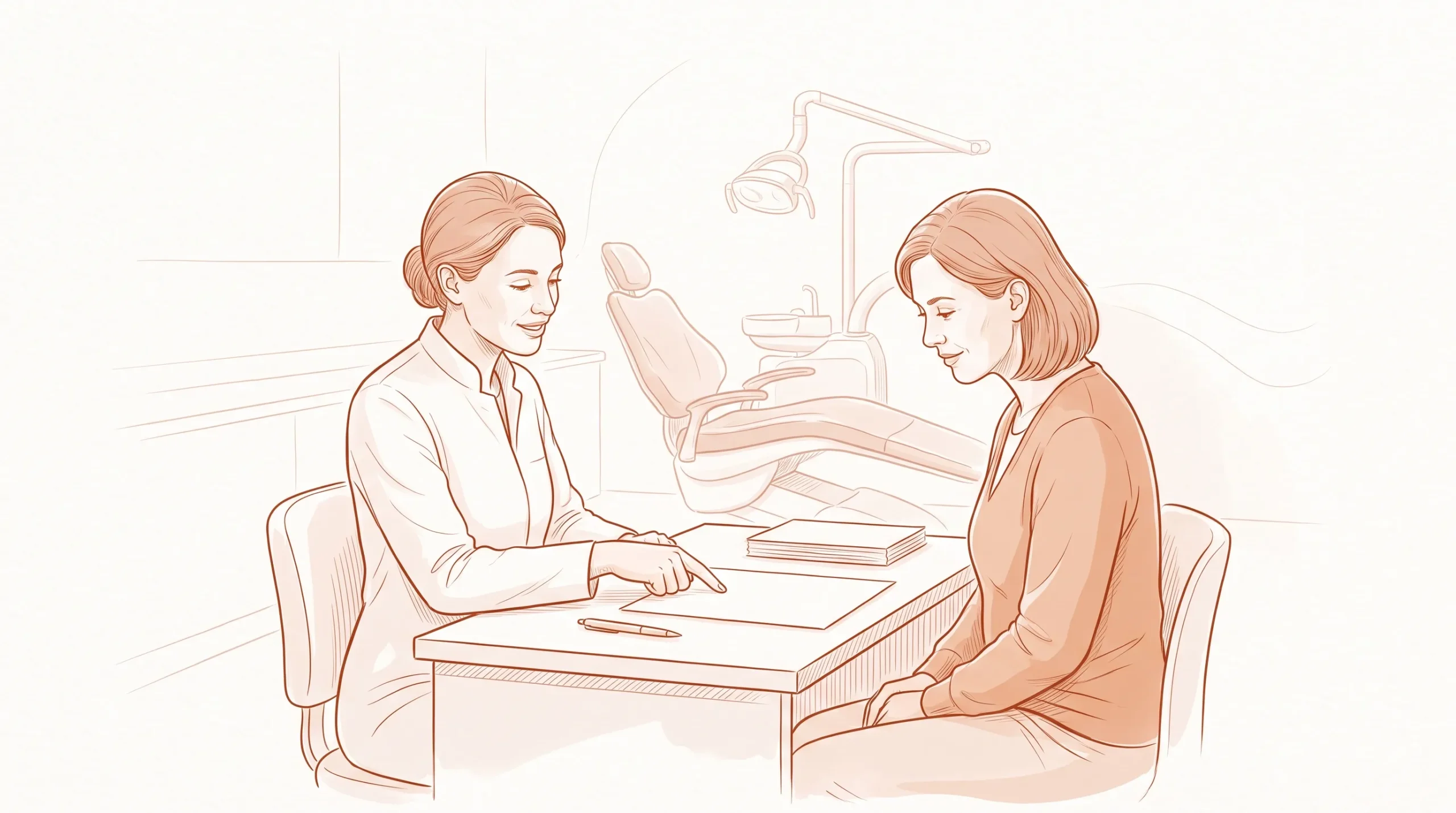
A first appointment for ongoing general care usually starts with a conversation. Your dentist may ask about your medical history, medications, allergies, past dental experiences, current symptoms and any goals or concerns.
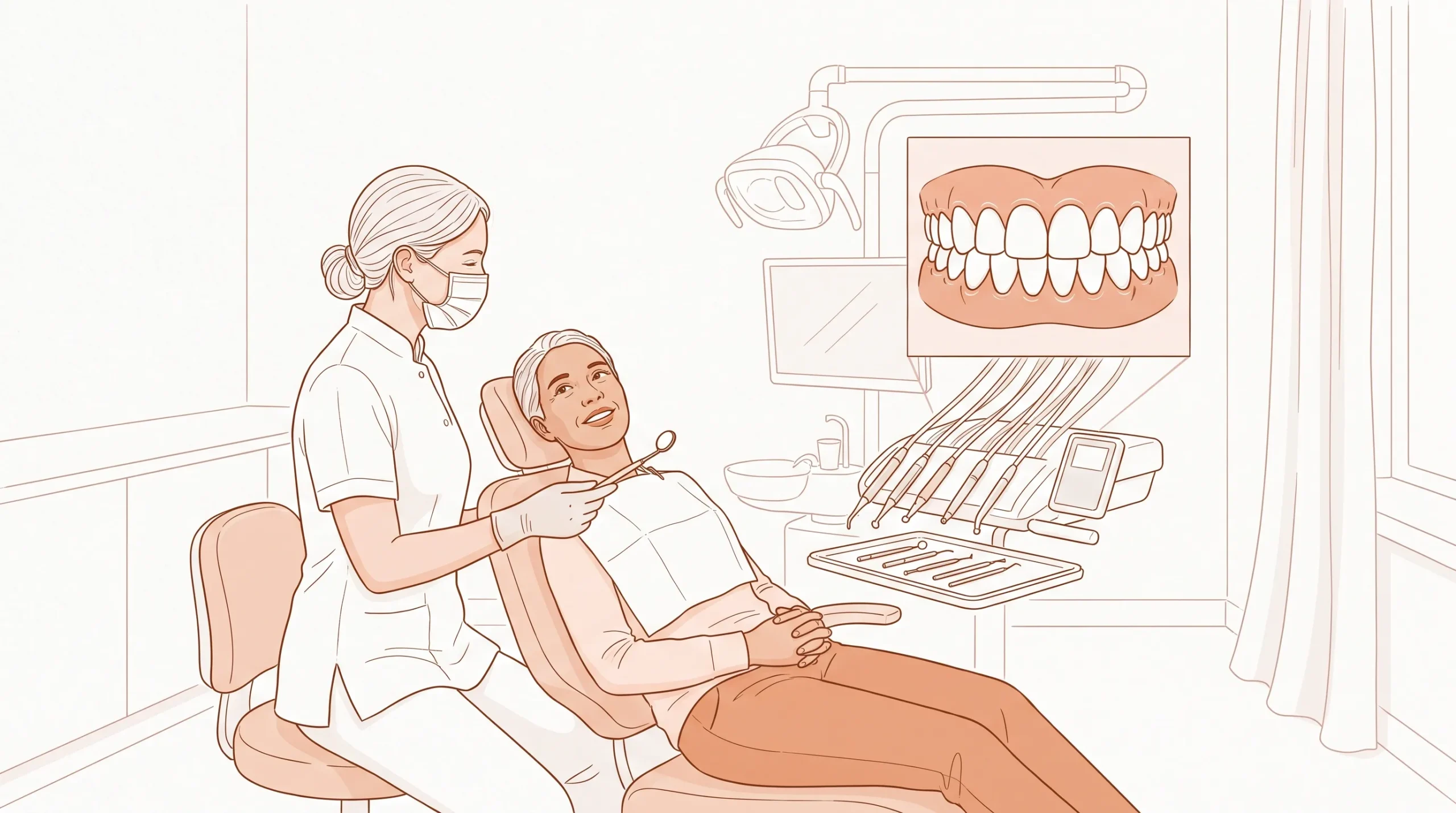
The clinical examination may include checking your teeth, gums, bite and soft tissues such as the tongue, cheeks and roof of the mouth. X-rays may be recommended if the dentist needs information that cannot be seen during a visual examination, such as decay between teeth or changes around roots and bone levels.
If cleaning is appropriate, the dental team may remove plaque and hardened tartar, then discuss areas that need extra attention at home. If treatment is recommended, your dentist should explain the reason, possible benefits, risks, alternatives and expected sequence of appointments.
A dental examination does not oblige you to proceed with treatment. It gives you information so you can make a decision that suits your circumstances.
Balancing affordability, safety and suitability
The cheapest option is not always the safest or most suitable option. At the same time, higher cost does not automatically mean a treatment is the right choice for you. Good care sits between those extremes and is based on diagnosis, your goals, your health and the likely benefits and limitations of each option.
All dental procedures carry potential risks and benefits. These may include sensitivity, discomfort after treatment, the need for further care, material wear, treatment failure or changes in the treatment plan once more information is available. The specific risks depend on the procedure and your individual situation.
When you choose an affordable general dentist, look for someone who discusses uncertainty honestly. Dentistry often involves judgement, especially when deciding whether to monitor a small issue, repair it or plan more involved care. A clear explanation can help you feel more confident about the decision, even when there is more than one reasonable option.
Making ongoing care easier for the whole household
If you are choosing a dentist for a family, convenience matters. A practice that can see adults, teenagers and children may make it easier to keep records in one place and plan appointments around school, work or caring responsibilities.
Children and young adults may need different advice from adults. For example, a child may need support with brushing habits, fissure sealants may be discussed for some teeth and teenagers may need guidance around sport, diet, orthodontic concerns or wisdom teeth monitoring. Suitability depends on the individual child or young person.
For adults, ongoing care may focus more on gum health, wear from grinding, old fillings, sensitivity, cosmetic concerns, medical conditions, medications or replacement of missing teeth. A general dentist can assess these issues and explain whether monitoring, preventive care, restorative treatment or referral may be appropriate.
CP Dental sees patients at Coopers Plains, Mater Hill and Emerald, and appointments can be booked online. Services include general dental care as well as emergency, cosmetic and restorative dentistry, depending on the patient’s needs and assessment.
FAQ
How do I know if a dentist is affordable over the long term? Look for clear estimates, explained options, preventive advice and a willingness to prioritise care. A dentist should help you understand what is necessary, what can be monitored and what costs may apply before treatment begins.
Is it better to see a dentist regularly or only when I have pain? Regular visits may help identify some dental concerns earlier, but the right interval depends on your oral health, gum condition, decay risk, medical history and home care. If you have pain, swelling, trauma or signs of infection, arrange a dental assessment promptly.
Can I ask for cheaper treatment options? Yes. It is reasonable to ask whether there are alternative options, staged treatment plans or different materials that may be suitable. Your dentist should also explain the limitations and risks of each option so you can make an informed choice.
Do all dental appointments need X-rays? No. X-rays should be recommended when they are clinically useful. Your dentist can explain why an X-ray is being considered and how it may help with diagnosis or treatment planning.
What if I feel anxious about dental treatment? Tell the dental team before or during your appointment. They can discuss your concerns, explain the appointment in plain language and talk about options that may help you manage the visit, depending on the care required.
Discussing ongoing care with CP Dental
If you are looking for an affordable general dentist for ongoing care, a dental examination can help clarify your current oral health, your priorities and which options may be appropriate. Your dentist can explain the potential benefits, risks, costs and alternatives before you decide whether to proceed with treatment.
To discuss your concerns, you can book an appointment with the team at CP Dental at the Coopers Plains, Mater Hill or Emerald location.