If you have searched for teeth removal near me, you may be dealing with tooth pain, a broken tooth, a loose tooth or a dental infection and wondering what happens next. Having a tooth removed, also called a tooth extraction, is not usually the first option your dentist considers. The first step is an examination to understand whether the tooth can be treated or whether removal may be the more appropriate choice for your oral health.
CP Dental sees patients at Coopers Plains, Mater Hill and Emerald, and the team can assess dental concerns such as damaged, painful or infected teeth. This article explains what you can generally expect before, during and after a tooth removal appointment, so you can ask informed questions and understand your options.
When might a tooth need to be removed?
A tooth may be recommended for removal when it cannot be predictably repaired or when keeping it may place nearby teeth, gums or your general wellbeing at risk. This decision depends on a clinical assessment, your dental history and what is found during the examination.
Common reasons include advanced decay, a deep crack, severe gum disease, dental trauma, infection that cannot be managed in another way or wisdom teeth that are impacted or repeatedly causing problems. In some cases, removal may also be considered as part of orthodontic planning, although this depends on the individual treatment plan.
Not every sore or damaged tooth needs to be extracted. Depending on the situation, your dentist may discuss alternatives such as a filling, crown, periodontal treatment or root canal treatment. If infection inside the tooth is the concern, this article on why a root canal may be needed explains one possible tooth-saving option.
Searching for teeth removal near me? Start with an assessment
A search for teeth removal near me often comes from a practical concern: you want a nearby dentist to check whether the tooth can be saved, whether removal is needed and how soon it should be looked at. The appointment is also where your dentist can explain likely costs, risks, recovery time and any suitable anaesthetic or sedation options.
During the assessment, your dentist will usually ask about your symptoms, medical history, medications, allergies and any previous dental treatment. This is especially important if you take blood thinners, have diabetes, are pregnant, have a heart condition or have had complications with dental treatment before.
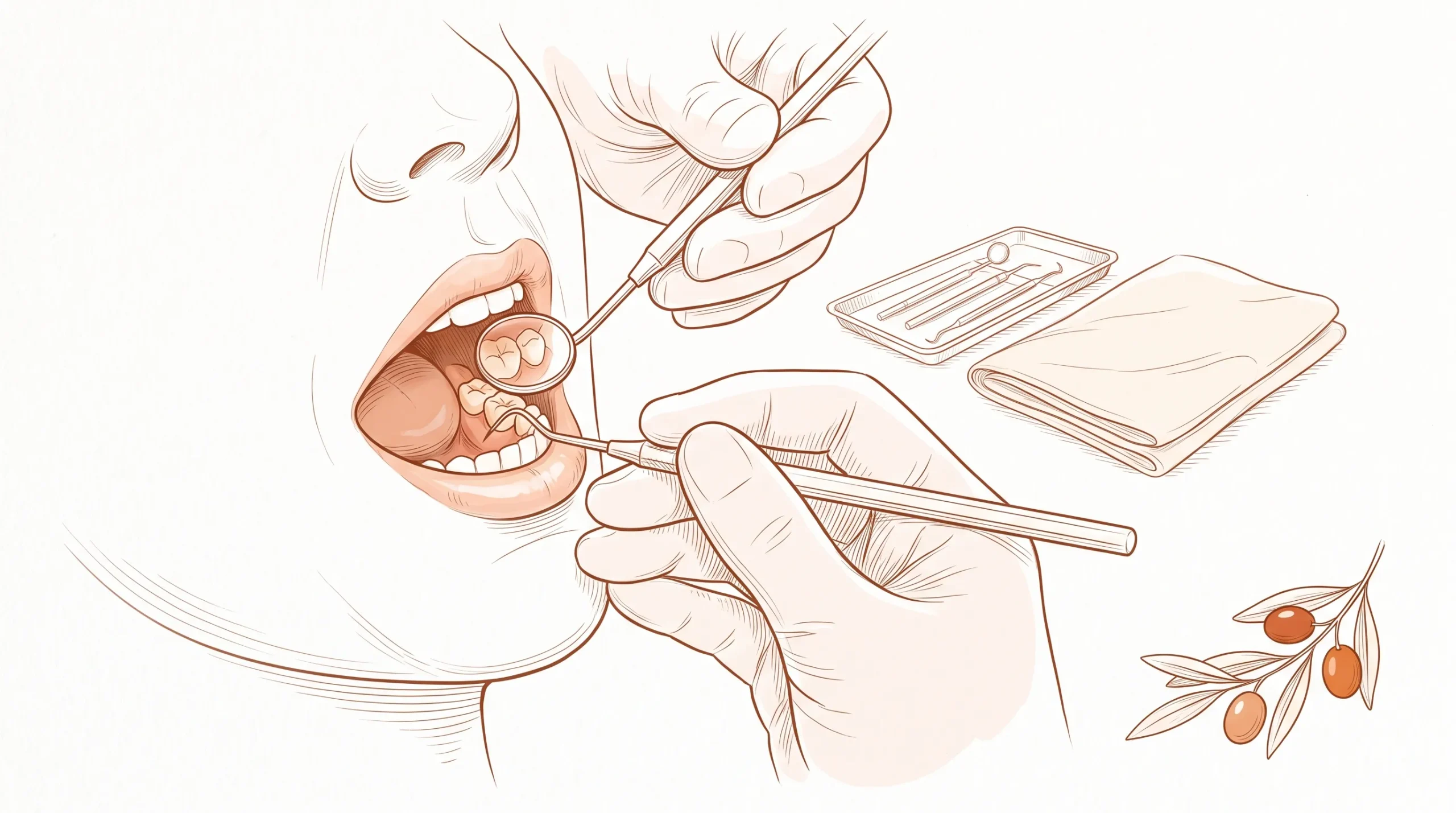
Your dentist may take an x-ray to check the tooth roots, surrounding bone and nearby structures. For back teeth and wisdom teeth, this can help show whether the tooth is close to nerves, sinuses or neighbouring teeth. The findings help guide whether the extraction is likely to be simple or more complex.
Simple extraction or surgical extraction: what is the difference?
A simple extraction usually means the tooth is visible in the mouth and can be removed with dental instruments after the area is numbed. A surgical extraction may be needed if the tooth is broken below the gum, impacted, difficult to access or has roots that require a more involved approach.
| Type of removal | When it may be used | What to expect |
|---|---|---|
| Simple extraction | A visible tooth with accessible roots | Local anaesthetic is used, then the tooth is loosened and removed carefully |
| Surgical extraction | Impacted, broken or complex teeth | A small opening in the gum may be needed, and the tooth may be sectioned into smaller pieces |
| Wisdom tooth removal | Wisdom teeth causing pain, infection, crowding concerns or gum problems | The approach depends on the tooth position, root shape and nearby anatomy |
The term “surgical” can sound confronting, but it simply means the dentist may need a more controlled technique to remove the tooth safely. Your dentist should explain why a particular approach is being recommended and what alternatives may be available.
What happens before the tooth is removed?
Before treatment starts, your dentist will confirm the tooth being treated, explain the proposed procedure and discuss the potential benefits, risks and alternatives. You should have time to ask questions before giving consent.
If your teeth removal near me search is linked to swelling, fever, facial swelling or difficulty opening your mouth, tell the dental team when booking. Some situations may need prompt attention, and sometimes infection needs to be managed before or alongside extraction. CP Dental has also published guidance on when an emergency tooth extraction may be needed if you want to understand urgent warning signs.
Your dentist may give instructions about eating, drinking or taking medication before the appointment. These instructions can differ if IV sedation is being considered, so it is important to follow the advice given for your situation.
Anaesthetic and comfort options
Most tooth extractions are performed using local anaesthetic, which numbs the tooth and surrounding gum. You may still feel pressure or movement, but sharp pain should not be expected once the area is adequately numb. If you do feel discomfort during treatment, let the dental team know so they can reassess the anaesthetic.
Some patients feel anxious about dental treatment or may need a more involved procedure. Depending on suitability, options such as additional local anaesthetic techniques or IV sedation may be discussed. Sedation is not appropriate for every patient, and your dentist will consider your medical history, the planned procedure and any safety factors before recommending it. You can read more about dental procedures that may involve anaesthetic or sedation.
What happens during a tooth extraction?
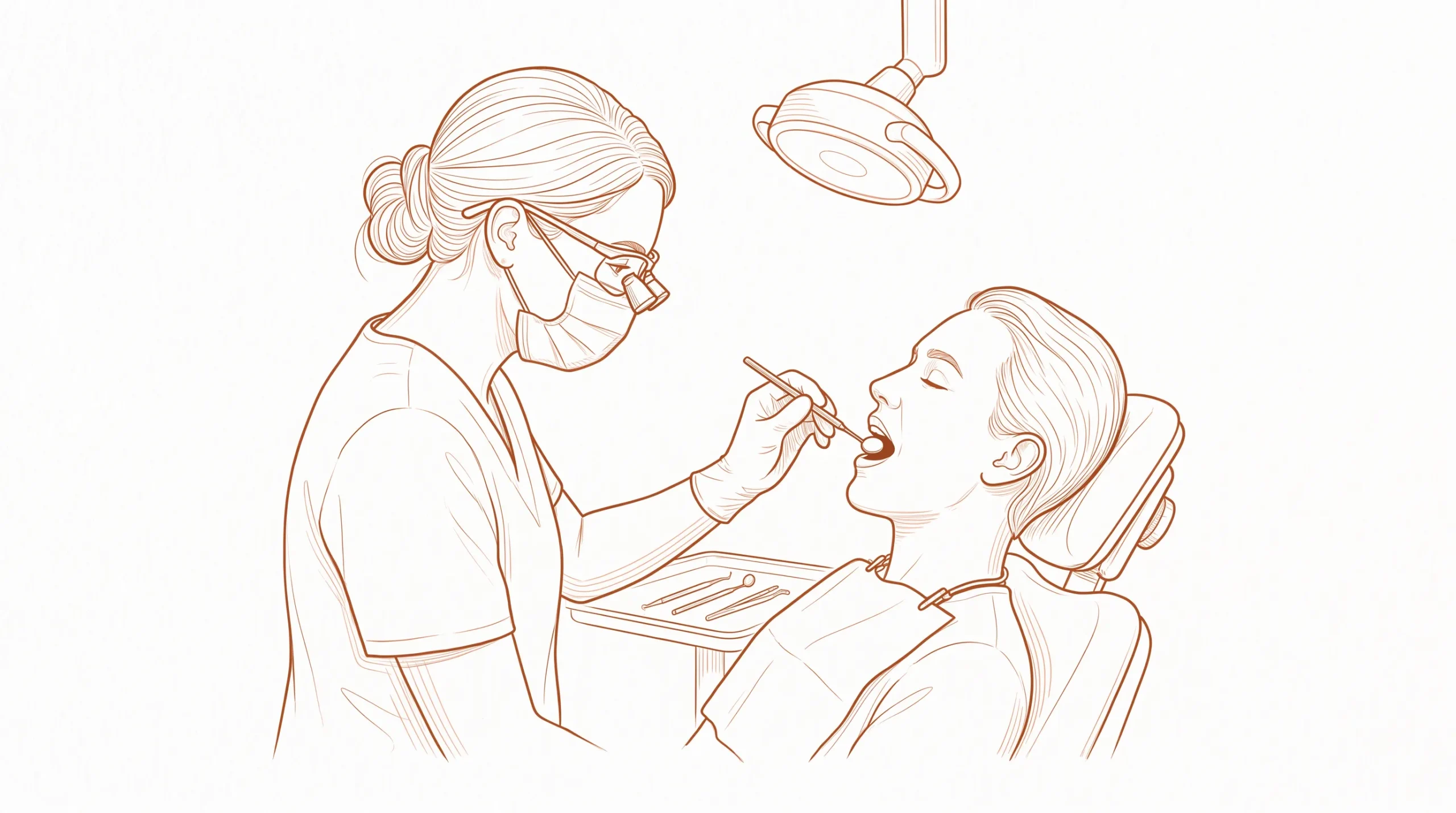
Once the area is numb, your dentist will gently loosen the tooth from the socket. Teeth are held in place by fine ligament fibres, so the aim is to widen the socket slightly and release the tooth with controlled pressure.
For a simple extraction, this may be done with instruments designed to move and lift the tooth. For a surgical extraction, the dentist may make a small incision in the gum or divide the tooth into sections so it can be removed with less force. Stitches may be placed if needed.
The length of the appointment varies. A straightforward tooth may take a relatively short time once the anaesthetic is working, while more complex teeth can take longer. Your dentist can give a more specific estimate after examining the tooth and reviewing any x-rays.
What to expect after the tooth is removed
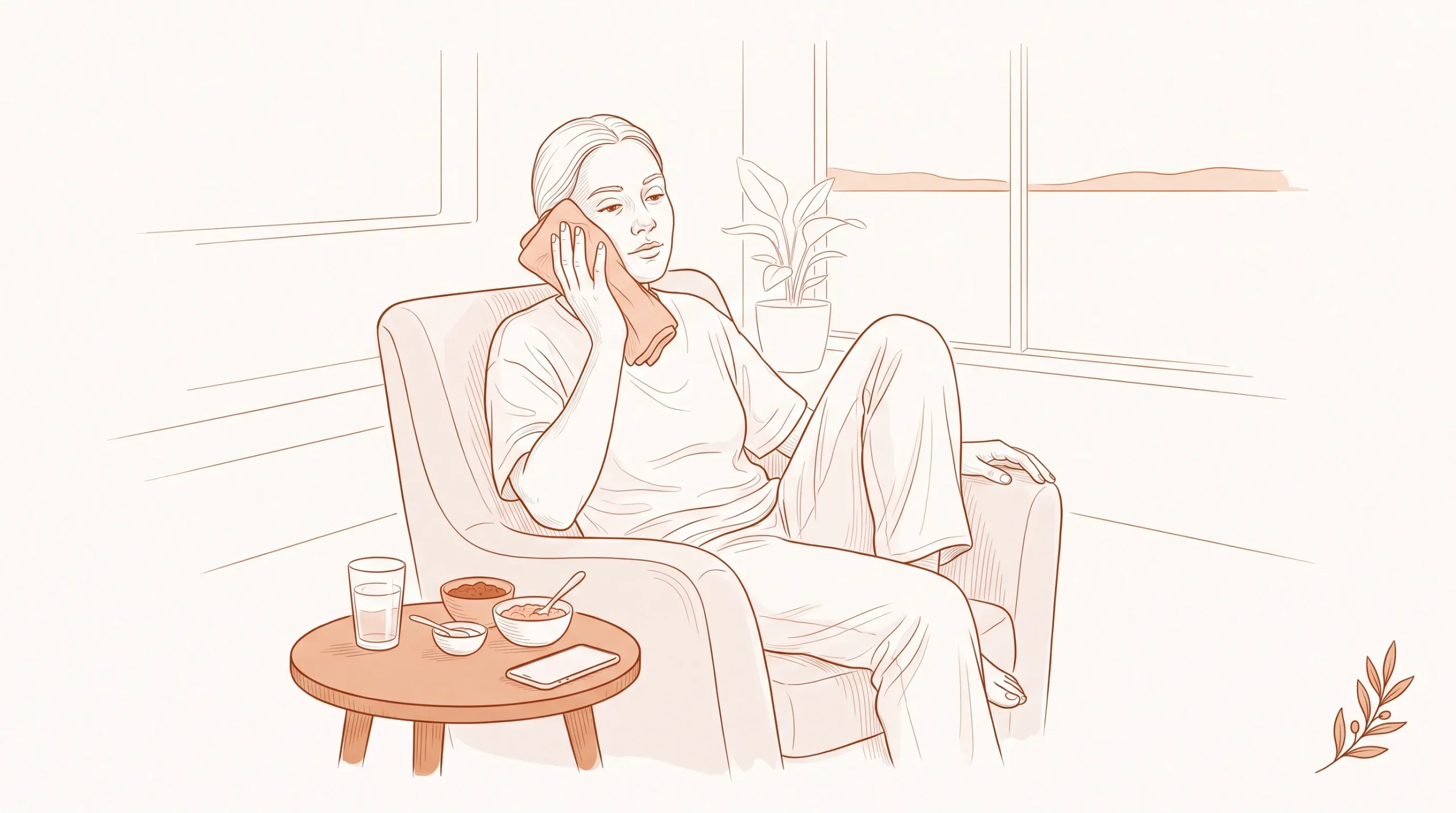
After removal, a blood clot forms in the socket. This clot is part of normal healing and needs to be protected, particularly in the first 24 hours. Your dentist will usually place gauze over the area and ask you to bite gently for a set period to help control bleeding.
For many people who search teeth removal near me, recovery is one of the biggest concerns. Some tenderness, mild bleeding, swelling or bruising can occur after an extraction, especially after more complex removals. Experiences vary between patients, and recovery depends on factors such as the tooth removed, your general health, smoking or vaping, oral hygiene and how closely aftercare instructions are followed.
General aftercare advice may include:
- Bite on gauze as directed if bleeding continues.
- Avoid rinsing, spitting, drinking through a straw or smoking in the first 24 hours unless your dentist advises otherwise.
- Choose soft foods while the area is tender.
- Brush your other teeth as normal, but be gentle around the extraction site.
- Take any prescribed or recommended medicines as directed.
- Attend any review appointment if one is recommended.
Your dentist may give different instructions based on your procedure, so follow the advice provided to you rather than general online information.
Possible risks and complications
All dental procedures carry potential risks and benefits. Your dentist should discuss risks that are relevant to your tooth, your health and the type of extraction being planned.
Possible complications can include prolonged bleeding, infection, delayed healing, dry socket, jaw stiffness, damage to nearby fillings or teeth and temporary numbness or tingling if nerves are irritated. Upper back teeth may sometimes be close to the sinus, which can affect planning and aftercare. These issues do not happen to everyone, but it is useful to understand what your dentist is checking for.
Dry socket occurs when the protective blood clot is lost or breaks down too early. It can cause increasing pain a few days after removal and may need dental care. Smoking or vaping can increase the risk because suction and heat may disturb healing.
Seek prompt dental advice if pain worsens after initially improving, swelling increases, bleeding does not settle with pressure, you develop a fever or there is a bad taste or discharge. If you have trouble breathing or swallowing, call 000 or attend an emergency department.
Will the gap need to be replaced?
Not every extracted tooth needs the same follow-up plan. A wisdom tooth at the back of the mouth may not need replacement, while losing a chewing tooth or front tooth may affect biting, speech, appearance or the way other teeth move over time.
If a tooth is removed, your dentist may discuss replacement options such as a denture, bridge or dental implant, depending on your oral health, bone levels, budget, preferences and medical history. These options have different benefits, limitations, maintenance needs and timeframes.
It is reasonable to ask about replacement options before the tooth is removed, particularly if the tooth is visible when you smile or important for chewing. Sometimes planning ahead can make later treatment more straightforward, but suitability needs to be assessed individually.
How to prepare for your appointment
If you are booking after searching teeth removal near me, bring a list of your medications, allergies and relevant medical conditions. If you have recent dental x-rays from another clinic, ask whether they can be transferred before your appointment.
Let the clinic know if you are anxious, have had a difficult dental experience in the past or have trouble getting numb. These details help your dentist plan the appointment and discuss options that may be appropriate for you.
It can also help to plan transport if sedation is being considered or if you expect to feel unsettled after treatment. For local anaesthetic only, many people can return to normal low-key activities afterwards, but strenuous activity is usually best avoided for the initial healing period if your dentist advises this.
Questions to ask before having a tooth removed
Asking clear questions can make the decision feel less uncertain. You may want to ask:
- Can this tooth be repaired, or is removal the most appropriate option?
- Is the extraction likely to be simple or surgical?
- What type of anaesthetic or sedation may be suitable for me?
- What are the main risks in my case?
- How should I care for the area afterwards?
- Will I need to consider replacing the tooth later?
- What costs should I expect before treatment begins?
A good discussion should leave you with a clearer understanding of why removal is being considered and what the next steps involve.
Frequently asked questions
Does a tooth extraction hurt? Local anaesthetic is used to numb the area before the tooth is removed. You may feel pressure or movement, but sharp pain should not be expected once the area is numb. If you feel discomfort, tell your dentist so they can check the anaesthetic.
How long does it take to recover after a tooth is removed? Initial healing often starts within the first few days, but the gum and bone continue to heal over a longer period. Recovery varies depending on the tooth, the complexity of the extraction, your health and aftercare.
Can an infected tooth be removed straight away? Sometimes, but not always. Your dentist will assess the infection, swelling, medical history and treatment risks. In some cases, antibiotics, drainage or other care may be needed before or alongside extraction.
Is wisdom tooth removal different from other teeth removal? It can be. Wisdom teeth may be impacted, partially erupted or close to nerves or sinuses, so x-rays and careful planning are often important. The procedure and recovery depend on the tooth position and complexity.
How do I choose teeth removal near me? Look for a dental clinic that can assess the tooth properly, explain alternatives, discuss risks and provide clear aftercare instructions. If removal is needed, your dentist should tailor the plan to your oral health and medical history.
Booking an assessment with CP Dental
If you think you may need a tooth removed, a dental examination can help determine what is causing your symptoms and whether extraction or another treatment may be appropriate. CP Dental provides general, emergency, cosmetic and restorative dental care, with appointments available at Coopers Plains, Mater Hill and Emerald.
To discuss your concerns, you can book an appointment with CP Dental at the location that suits you. Your dentist can assess your oral health, explain the potential benefits, risks and alternatives, and help you make an informed decision.