Dental appointments are easier to manage when you know what to expect, can speak openly about concerns and have time to ask questions. Comfortable dental care is not about pretending every visit feels easy for every person. It is about reducing avoidable stress, planning around your needs and helping you feel more informed before treatment begins.
Why dental visits can feel hard, even when you want to look after your teeth
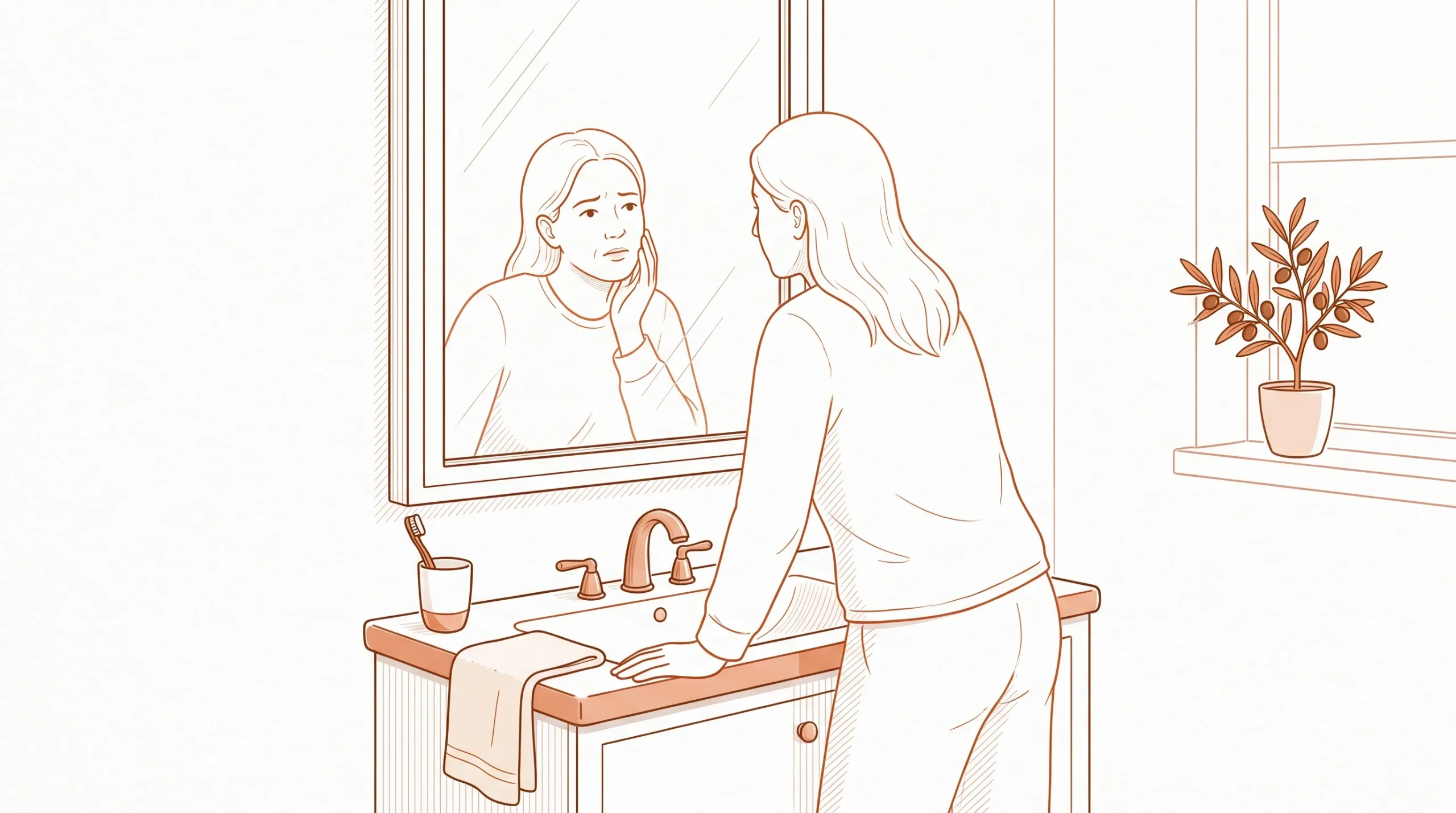
Many people delay dental appointments because of anxiety, previous difficult experiences, embarrassment, sensitivity, a strong gag reflex or uncertainty about what treatment may involve. Others find the sounds, smells or feeling of instruments in the mouth uncomfortable.
These reactions are not a personal failing. Dental care can feel vulnerable because you are lying back, someone is working close to your face and you may not be able to speak normally during parts of the appointment. If you have had pain, judgement or rushed communication in the past, your body may stay on alert even during a routine check-up.
Anxiety can also create physical symptoms. Healthdirect explains that anxiety may involve a racing heart, sweating, trembling, nausea or difficulty concentrating. In a dental setting, these symptoms can make it harder to listen, ask questions or stay relaxed.
The good news is that comfort can often be improved through small, practical changes. Not every option is suitable for every person, but a dental team can usually adjust the way an appointment is planned and explained.
Comfortable dental care starts before your appointment
A calmer visit often begins before you sit in the dental chair. When booking, let the team know if you feel nervous, have a sensitive mouth, prefer extra explanation or have medical needs that may affect treatment. This gives the clinic a chance to note your concerns and allow the dentist to approach the appointment with that context.
If you are new to the practice, it may help to write down your main concerns before the visit. This could include a tooth that feels sensitive, bleeding gums, jaw discomfort, difficulty with previous local anaesthetic or anxiety about specific procedures. Bringing a medication list and relevant medical history is also useful, particularly if treatment beyond an examination may be needed.
For patients attending after a long break from dental care, a first visit does not need to answer everything at once. It may focus on understanding your oral health, identifying any urgent issues and discussing options in a manageable way. CP Dental has a helpful guide on how to prepare for your first dentist appointment if you would like a more detailed checklist.
Choosing the right time of day can also matter. Some people prefer an appointment when they are less rushed, while others feel better having it done earlier in the day. If you are caring for children or coordinating work, allowing extra travel time can reduce pressure before you arrive.
What to tell your dentist so they can adapt care
Comfortable dental care is easier to provide when your dentist understands the exact part of the visit that worries you. “I hate the dentist” is a valid starting point, but more detail can make the conversation more useful.
You might feel uncomfortable because of the noise of dental instruments, the feeling of water pooling, a fear of gagging, concern about injections or uncertainty about costs and treatment choices. You can also ask your dentist to explain before they do something, or to give shorter updates if too much detail makes you feel more anxious.
| Concern to raise | What to tell your dentist | Options that may be discussed |
|---|---|---|
| Dental anxiety | What tends to trigger it and whether it has affected past appointments | Slower explanations, agreed breaks, a stop signal or sedation options where appropriate |
| Tooth sensitivity | Which teeth react and whether cold, sweet foods or brushing trigger it | Examination, desensitising advice, fluoride options or treatment if decay or cracks are found |
| Gag reflex | Which situations make gagging more likely | Chair positioning, pauses, suction, distraction or taking impressions in a different way where suitable |
| Jaw, neck or back discomfort | Whether lying back or keeping your mouth open is difficult | Shorter treatment blocks, bite rests, breaks or adjusted chair positioning |
| Needle concerns | Whether the issue is pain, fear of seeing the needle or previous numbness problems | Explanation, topical anaesthetic before injection or other options depending on the procedure |
| Sensory sensitivity | Sounds, lights, tastes or textures that are difficult | Sunglasses, headphones, plain explanations or shorter pauses where clinically appropriate |
It is also reasonable to ask about the purpose of a recommended procedure, the likely steps, potential risks, alternatives and what may happen if treatment is delayed. A good discussion should support informed consent, not pressure you into a decision.
During the visit: small changes that can make a difference
A dental appointment does not always need major changes to feel more manageable. Often, a few clear agreements can help you feel more in control.
A stop signal is one of the simplest tools. This might be raising your left hand if you need a pause. Your dentist can then stop when it is safe to do so, remove instruments and give you a moment to breathe, swallow or ask a question.
Short explanations can also help. Some patients want a detailed description of each step, while others prefer only the essentials. Let your dentist know which style suits you. If you become overwhelmed, you can ask to pause the conversation and return to it once you feel settled.
Physical comfort is worth mentioning too. If the chair position bothers your neck, if your jaw tires quickly or if you find the overhead light uncomfortable, say so. Adjustments may be possible depending on the procedure and clinical requirements.
Breathing through the nose, listening to music through headphones or using a small comfort item such as a stress ball may help some people. These strategies do not replace dental anaesthetic or clinical care, but they can make the environment feel less intense.
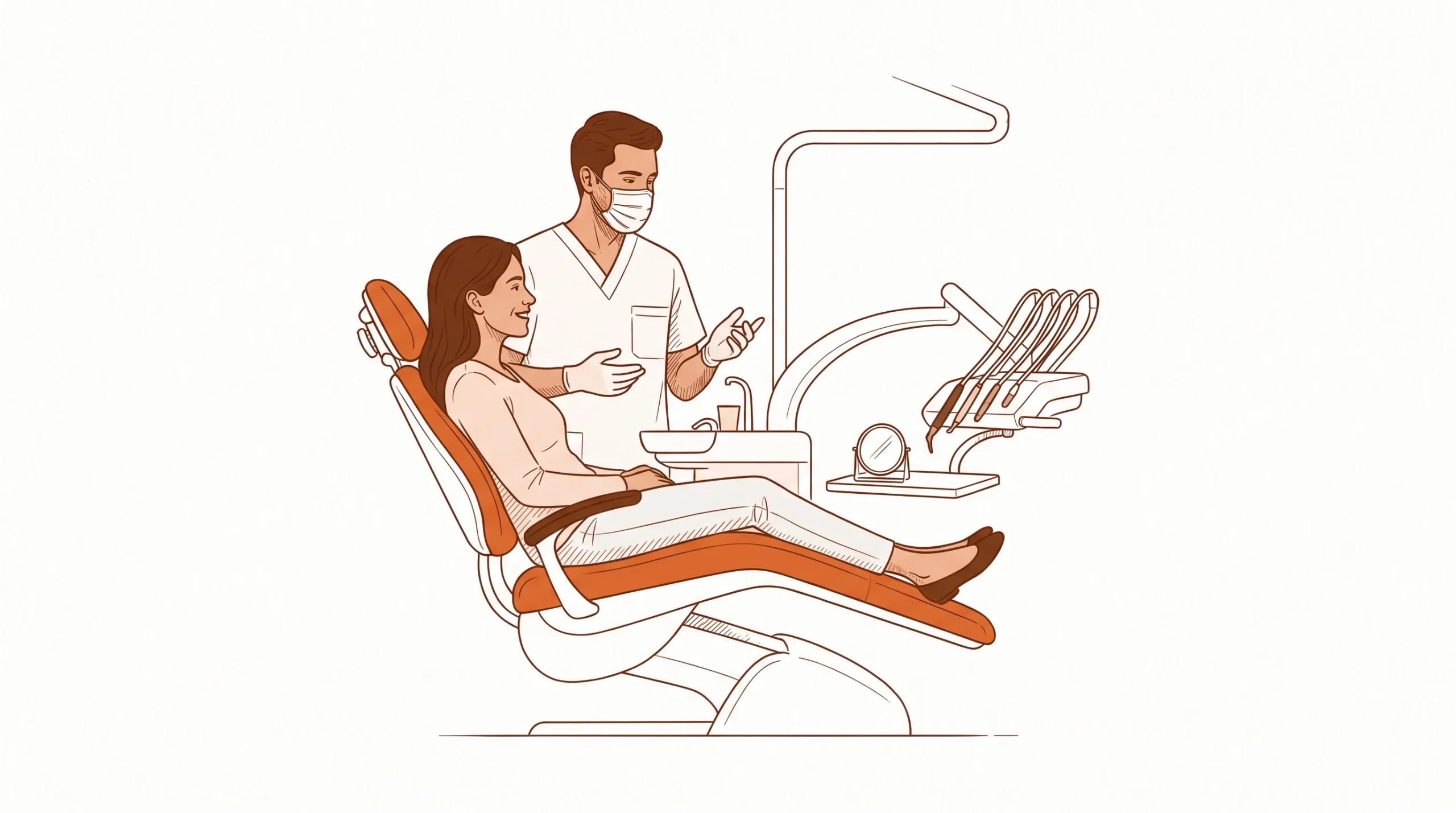
Managing dental anxiety, sensitivity and discomfort
For some patients, comfortable dental care may include discussing anaesthetic or sedation options. These options depend on the procedure, your health history, medications, level of anxiety and the dentist’s clinical assessment.
Local anaesthetic is commonly used for procedures where a tooth or gum area needs to be numbed. It does not remove all sensations, such as pressure or movement, but it can reduce pain during suitable procedures. If you have had difficulty getting numb in the past, tell your dentist before treatment starts. There may be clinical reasons for this, such as inflammation, tooth anatomy or the type of procedure.
For people with stronger dental fear, sedation may be considered. Sedation is not suitable for everyone and may involve specific preparation, medical screening and recovery instructions. CP Dental has further information about dental fear and IV sedation and a separate explanation of how IV sedation dentistry works. Your dentist can explain whether sedation may be appropriate, along with its potential benefits, risks and alternatives.
Sensitivity should also be assessed rather than ignored. Sensitive teeth may be related to gum recession, enamel wear, decay, cracks or recent dental work. The right approach depends on the cause, so it is better to have symptoms checked than to assume they are normal.
Making visits easier for children, teens and busy families
The same principles of comfortable dental care apply to families, but planning becomes even more important when several people need appointments. Children may feel uncertain because the setting is unfamiliar, while teens may worry about embarrassment, braces, appearance or being spoken to like a child.
Simple preparation can help. Use calm, factual language before the visit and avoid dramatic descriptions of treatment. For younger children, it may be enough to explain that the dentist will count their teeth, look at their gums and talk about brushing. Avoid promising that nothing will feel uncomfortable, because that may reduce trust if they do feel pressure, water or a strange taste.
Families can also benefit from organising dental care before symptoms become difficult to manage. Preventive visits may allow small issues to be discussed earlier, although the right schedule varies between patients. If your household is juggling school, work and activities, CP Dental’s guide to planning dental care for a busy family may be useful.
If a child is very anxious, has additional needs or has had a difficult dental experience, tell the dental team when booking. Extra context can shape the pace and communication style of the appointment.
If it has been a long time since your last visit
It is common for people to feel nervous or embarrassed when they have not seen a dentist for years. You may be worried about being judged, needing complex treatment or finding out that a problem is worse than expected.
A practical first step is an examination. Your dentist may ask about symptoms, medical history and previous experiences, then check your teeth, gums, bite and soft tissues. X-rays may be recommended if the dentist needs more information that cannot be seen during the visual examination.
You do not have to agree to every option on the spot. If treatment is recommended, you can ask what is urgent, what can be monitored, what alternatives exist and what the risks may be if treatment is delayed. Dental procedures carry potential benefits and risks, and your individual circumstances matter.
If you are feeling overwhelmed, ask for the plan to be broken into stages. This can make decisions easier and may help you focus first on symptoms, infection control or stabilising oral health.
Choosing a dental team that listens
A practical approach to comfortable dental care includes clinical skill, clear communication and respect for patient preferences. You should be able to ask questions without feeling rushed, understand why a treatment is being suggested and hear about reasonable alternatives where they exist.
At CP Dental, patients can discuss general, emergency, cosmetic, restorative and children’s dental concerns across the Coopers Plains, Mater Hill and Emerald locations. The right appointment will depend on your needs, symptoms and the availability of suitable care. If you are unsure what to book, describing your concern clearly when you contact the practice can help the team guide you toward an appropriate appointment type.
Comfort does not mean avoiding all dental treatment. It means taking your concerns seriously while still making decisions based on oral health, safety and informed consent. Sometimes that may involve a short preventive appointment. At other times, it may involve discussing treatment stages, anaesthetic or sedation options.
Frequently asked questions
What does comfortable dental care mean? Comfortable dental care means planning and providing dental treatment in a way that considers your concerns, communication preferences, physical comfort and clinical needs. It does not guarantee a particular experience, but it can help reduce avoidable stress.
Can I ask the dentist to stop during treatment? Yes. You can agree on a stop signal, such as raising your hand, before treatment begins. Your dentist can stop when it is safe to do so and give you time to breathe, swallow or ask a question.
What if I am embarrassed about my teeth? Tell the dental team if embarrassment is stopping you from attending. A dental appointment is about assessing your oral health and discussing options, not judging you. If treatment is needed, your dentist can explain the potential benefits, limitations, risks and alternatives.
Is sedation available for nervous dental patients? Sedation may be considered for some patients, depending on the procedure, anxiety level, medical history and clinical suitability. It is not appropriate for everyone, so a dentist needs to assess your circumstances before making a recommendation.
How can I make my child’s dental visit easier? Keep explanations simple, calm and factual. Avoid using frightening language or promising that everything will feel easy. Let the dentist know if your child is anxious, sensitive to sounds or has additional needs so the appointment can be approached thoughtfully.
Speak with a dentist about making visits easier
If dental visits feel difficult, you do not need to manage those concerns silently. A dental examination can help determine the cause of symptoms and which options may be appropriate for your circumstances.
To discuss your concerns, you can book an appointment with the team at CP Dental at the Coopers Plains, Mater Hill or Emerald location. Your dentist can assess your oral health and explain potential benefits, risks and alternatives before treatment decisions are made.