If you are searching for Coopers Plains dental care, you are probably looking for clear answers before choosing where to book. You may want a routine check-up, have a toothache that needs attention or be considering options such as whitening, orthodontics, a crown or an implant.
A good dental visit should give you more than a quick look at your teeth. It should help you understand what is happening in your mouth, what your options are and what the likely benefits, limitations, costs and risks may be. For people living or working around Coopers Plains, Salisbury, Moorooka, Sunnybank, Robertson and Archerfield, having local care can also make regular appointments easier to plan.
What Coopers Plains dental care can include
Dental care covers a broad range of services, from prevention through to treatment for pain, damage or appearance concerns. Not every person needs every type of treatment. Your dentist should first assess your oral health, medical history, symptoms and goals before discussing what may be suitable.
Common reasons people seek dental care include:
| Reason for visit | What the dentist may assess | Possible next steps |
|---|---|---|
| Routine check-up | Teeth, gums, bite, fillings, signs of decay or gum disease | Preventive advice, scale and clean, monitoring or treatment planning |
| Toothache or sensitivity | Decay, cracks, gum problems, infection, bite pressure or exposed dentine | X-rays if appropriate, short-term relief, filling, root canal discussion or referral where needed |
| Chipped or broken tooth | Extent of damage, nerve involvement, bite forces and remaining tooth structure | Smoothing, filling, crown discussion or other restorative options |
| Cosmetic concern | Tooth colour, shape, spacing, alignment and gum health | Discussion of whitening, bonding, veneers, orthodontics or no treatment if not required |
| Missing tooth | Gum health, bone support, bite, neighbouring teeth and medical factors | Denture, bridge or dental implant discussion where suitable |
| Child’s dental visit | Tooth development, brushing habits, diet, bite and early decay risk | Preventive care, family advice and monitoring as the child grows |
The Australian Dental Association’s patient resource, Teeth.org.au, has useful information about preventive oral care and dental visits. Australian guidance generally supports regular dental check-ups, but the timing is not the same for everyone. Some people may be advised to attend every six months, while others may need a different interval depending on decay risk, gum health, medical factors and previous dental history.
When to book a routine appointment and when to seek prompt advice
Routine dental visits are often used to check for early signs of tooth decay, gum disease, tooth wear, cracks and oral soft tissue changes. These issues may not always cause symptoms straight away, which is one reason preventive appointments can be useful.
A routine appointment may be appropriate if you have no urgent symptoms but want to maintain your oral health, update old dental work or ask questions about appearance-related concerns. It can also be a good time to discuss habits such as grinding, snoring concerns, sports mouthguards or dry mouth.
Some symptoms are better assessed sooner. Contact a dental practice for advice if you notice:
- Persistent toothache or pain when biting
- Swelling in the gum, face or jaw
- A broken tooth, lost filling or lost crown
- Bleeding gums that do not settle with improved brushing and flossing
- Sensitivity that lingers after hot or cold foods
- A dental injury from sport, work or an accident
- Signs of infection, such as pus, a bad taste or fever with dental pain
If swelling is affecting breathing or swallowing, or there has been serious facial trauma, seek urgent medical care through emergency services or a hospital emergency department. Dental practices can advise on many urgent dental concerns, but some situations need immediate medical assessment.
Healthdirect also provides a plain-language overview of dental care in Australia, including when to seek dental advice.
What happens at a dental appointment?
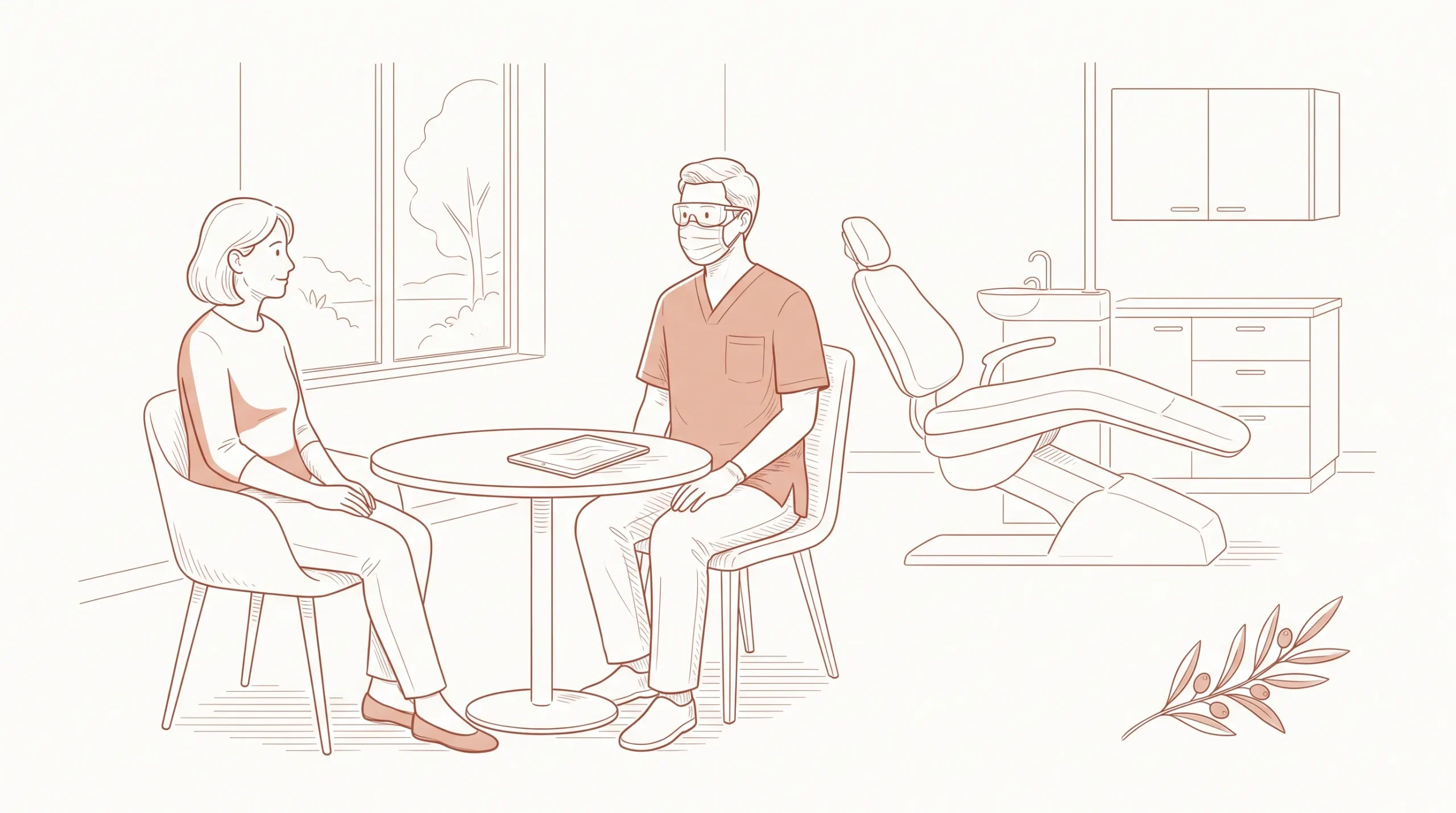
Your first appointment, or your first visit after a long break, is usually focused on understanding your current oral health. The dentist may ask about your medical history, medications, allergies, previous dental experiences and any symptoms or concerns.
The examination may include checking your teeth, gums, jaw joints, bite and the soft tissues inside your mouth. Dental X-rays may be recommended if they are clinically appropriate, for example to assess areas that cannot be seen directly. You should be told why they are being suggested.
After the assessment, your dentist can explain the findings in everyday language. If treatment is recommended, you should have the opportunity to ask about alternatives, expected appointments, possible discomfort, likely costs, risks, benefits and what may happen if you choose to monitor the issue instead. Informed consent matters, and you should not feel rushed into a decision.
How to choose a dentist in Coopers Plains
Choosing a dentist is partly practical and partly personal. Convenience matters, especially for families, shift workers and people coordinating school or work commitments. A local dental practice near home, work or regular travel routes may make it easier to keep up with care over time.
Communication is just as important. A useful dental appointment should leave you with a clear understanding of the issue and the options available. If you are comparing Coopers Plains dental clinics, consider whether the team explains treatment choices clearly, gives you time for questions and discusses fees before starting non-urgent treatment.
It can also help to look for a practice that can support different stages of care, from children’s check-ups through to restorative and cosmetic discussions. This does not mean everyone in a household needs the same care plan. Children, adults and older patients often have different oral health risks, treatment priorities and comfort needs.
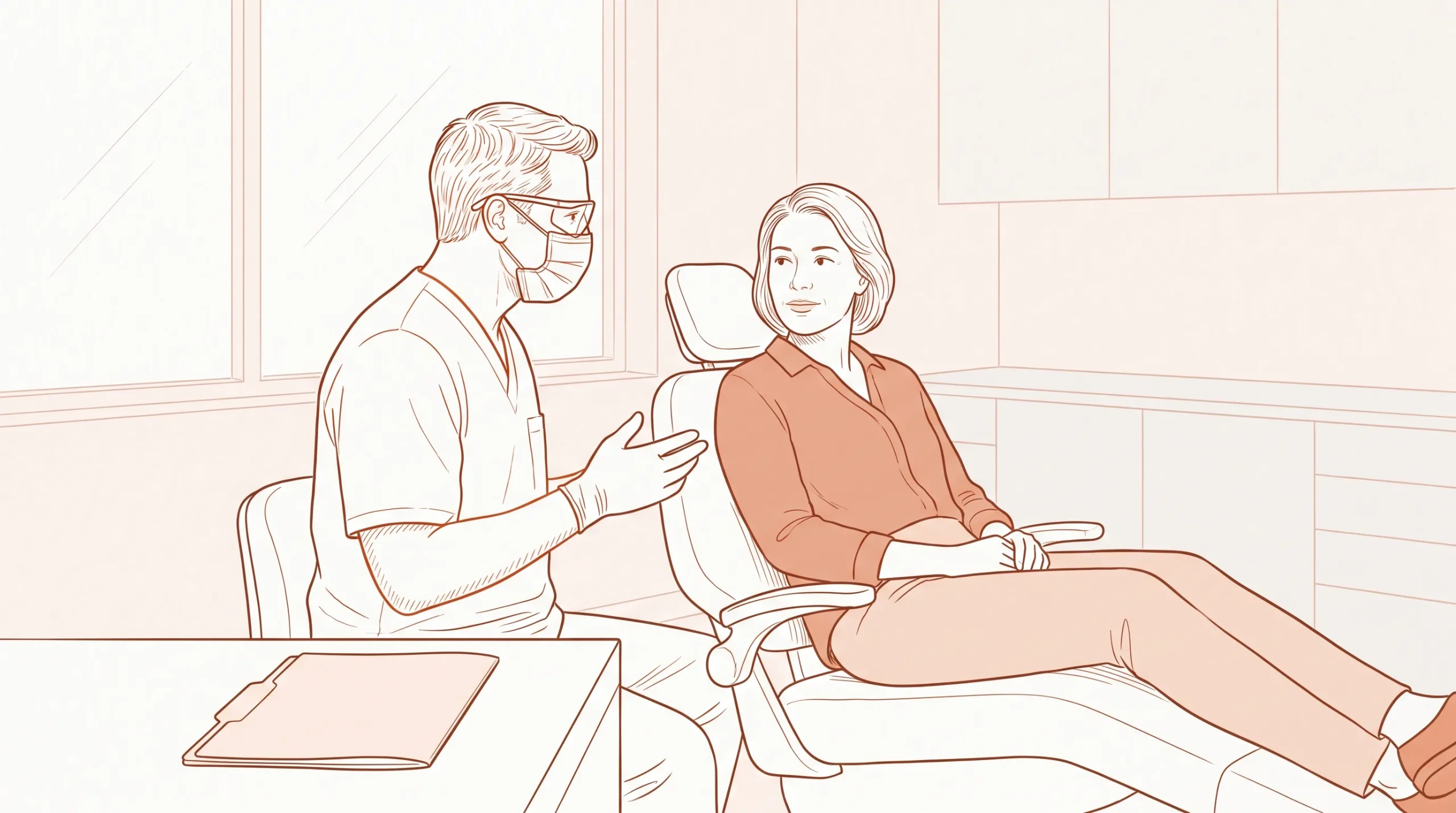
Dental care for families, children and anxious patients
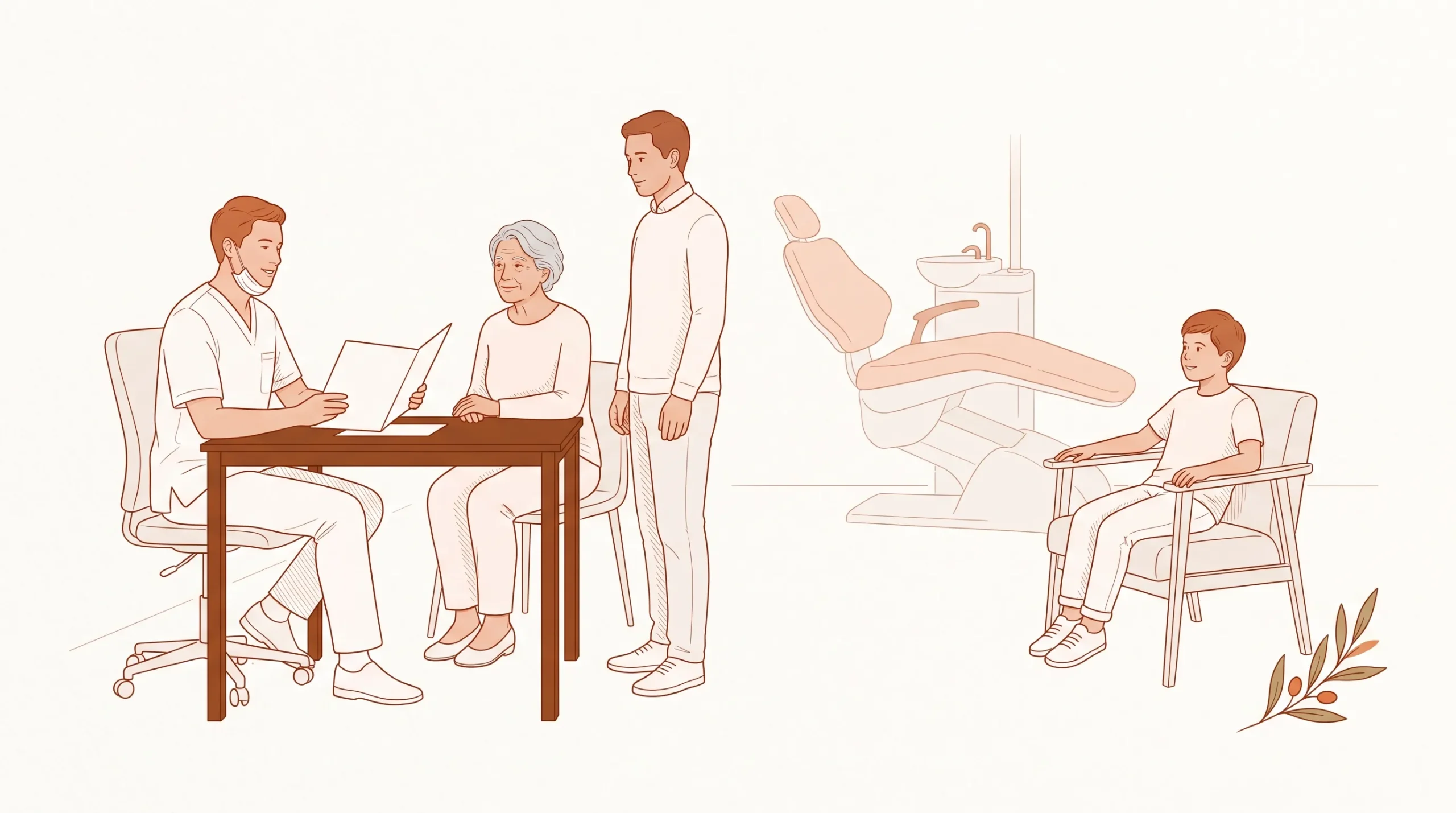
For families in Brisbane’s southern suburbs, dental visits are often easier when appointments can be planned around school, work and other commitments. Children may benefit from early, low-pressure visits that help them become familiar with the dental environment, while parents and carers can ask about brushing, fluoride toothpaste, diet and thumb sucking or dummy habits.
If you are unsure when your child should first attend, CP Dental has a separate guide on when children should first visit the dentist. The timing may vary depending on tooth development, symptoms and family circumstances, but early advice can help parents make informed choices.
Adults who feel nervous about dental care are not unusual. Anxiety can come from previous experiences, fear of discomfort, embarrassment, cost worries or uncertainty about what will happen. Letting the dental team know early can help them explain each stage, pause when needed and discuss suitable comfort options. CP Dental offers IV sedation as part of its broader services, but suitability depends on individual health factors and requires assessment.
Understanding treatment options without pressure
Dental treatment is not one-size-fits-all. A small area of decay may need a different approach from a cracked tooth, infected nerve or missing tooth. In some cases, monitoring may be reasonable. In others, delaying treatment may allow the problem to progress. Your dentist can explain the likely consequences of each option based on your examination.
For example, if the nerve inside a tooth becomes inflamed or infected, root canal treatment may be discussed as a way to try to keep the tooth rather than remove it. This treatment is not suitable in every situation, and it has its own benefits, risks and limitations. You can read more about what root canal treatment involves if you want background before an appointment.
For a missing tooth, options may include leaving the space, a denture, a bridge or an implant, depending on your oral health, bone support, bite, medical history and preferences. If you are considering this pathway, CP Dental’s overview of the phases of the dental implant procedure explains the general stages involved. A personal assessment is still needed before any recommendation can be made.
Cosmetic dental care also needs careful planning. Whitening, bonding, veneers and orthodontic options may help address certain appearance concerns, but results vary and not all options suit every mouth. Existing fillings or crowns may not whiten like natural tooth structure, and issues such as gum disease or decay may need to be managed first.
Questions to ask before starting dental treatment
Before agreeing to treatment, it is reasonable to ask practical questions. Good treatment planning should support informed choice rather than simply listing procedures.
Useful questions include:
- What is the diagnosis or main concern?
- Are there any alternative options, including monitoring?
- What are the likely benefits and limitations?
- What risks or side effects should I understand?
- How many appointments may be involved?
- What costs are expected, and could they change?
- Will my private health insurance provide a rebate?
- What happens if I decide not to proceed now?
Costs can vary because dental treatment depends on the tooth or teeth involved, the materials used, the complexity of the procedure, whether extra appointments are needed and whether other dental issues need to be managed first. For more involved care, a written treatment plan can make it easier to compare options and make a decision in your own time.
Supporting your oral health between visits
Daily habits play a major role in oral health. Most people benefit from brushing twice daily with fluoride toothpaste, cleaning between teeth and limiting frequent sugary snacks or drinks. If you have dry mouth, braces, dental implants, gum disease risk or a high decay rate, your dentist may suggest more specific home care advice.
Mouthguards may be recommended for contact sport, and a custom option may offer a different fit from over-the-counter products. If you grind or clench your teeth, your dentist can assess tooth wear, jaw symptoms and whether a splint or other management approach may be appropriate.
Smoking and vaping can also affect oral and general health. If quitting is something you are considering, Quit provides Australian support and information.
Frequently asked questions
How often should I see a dentist in Coopers Plains? The right interval depends on your oral health, gum condition, decay risk, medical history and previous dental treatment. Some people are advised to attend every six months, while others may need a different schedule. Your dentist can recommend a recall interval after assessing you.
What should I do if I have a toothache? A toothache that persists, worsens or is accompanied by swelling should be assessed by a dentist. Causes can include decay, cracks, gum infection, bite problems or nerve inflammation. If swelling affects breathing or swallowing, seek urgent medical care.
Can I book a dental appointment if I feel embarrassed about my teeth? Yes. Many people delay dental care because they feel anxious or self-conscious. A dental appointment should focus on assessing your health, explaining options and helping you make informed decisions, not on judgement.
Is cosmetic dental treatment suitable for everyone? Not always. Suitability depends on oral health, tooth structure, gum health, bite, expectations and the treatment being considered. Your dentist can discuss possible benefits, limitations and alternatives after an examination.
What should I bring to my first appointment? Bring a list of medications, details of allergies, your private health insurance card if you have one and any recent dental X-rays if available. It can also help to write down your main questions beforehand.
Arranging care with CP Dental Coopers Plains
A dental examination can help determine the cause of your symptoms and which options may be appropriate. If you live or work around Coopers Plains or Brisbane’s southern suburbs, you can book an appointment with CP Dental Coopers Plains to discuss your concerns.
Your dentist can assess your oral health, explain the potential benefits, risks and alternatives of any treatment being considered and help you decide on a plan that suits your individual needs.