Routine dental visits are the foundation of keeping your teeth, gums and mouth healthy over time. If you searched for “dental care Australia” because you are unsure what should happen at a regular appointment, how often to book or what is worth asking before treatment, this guide gives you a clear starting point.
Routine care is not just for people with toothache. It is the regular checking, cleaning and advice that helps your dentist monitor small changes before they become more difficult to manage. It also gives you a chance to ask about tooth sensitivity, bleeding gums, grinding, mouth ulcers, cosmetic concerns or changes in your bite.
Dental care Australia: what routine visits usually include
Routine dental care in Australia usually combines two things: professional assessment at a dental practice and consistent daily care at home. The balance can vary depending on your age, oral health, medical history, medications, diet, smoking status and previous dental treatment.
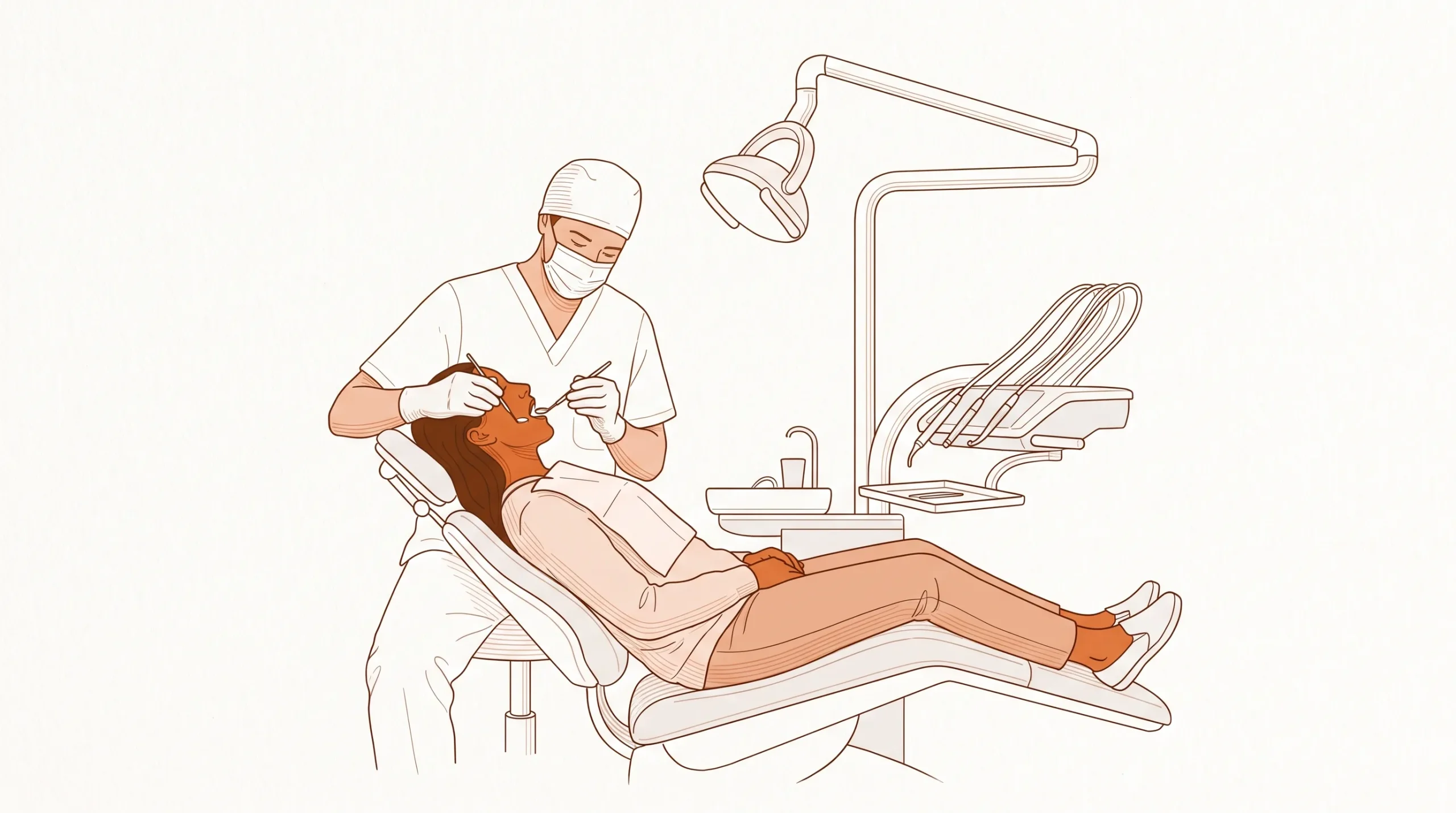
A routine visit may include an examination of your teeth, gums, tongue, lips, cheeks and jaw joints. Your dentist may also check existing fillings, crowns, dentures, implants or orthodontic appliances if you have them. If a professional clean is appropriate, this may involve removing plaque and tartar, polishing teeth and discussing ways to improve brushing or flossing at home.
The Australian Dental Association’s patient resource, Teeth.org.au, provides practical information for Australians about brushing, flossing, fluoride and regular dental visits. It is a useful source if you want patient-friendly guidance from the national dental association.
| Part of routine care | What it may involve | Why it matters |
|---|---|---|
| Dental examination | Checking teeth, gums, soft tissues, bite and existing dental work | Helps identify decay, gum problems, wear, cracks or other concerns |
| Professional cleaning | Removing plaque and hardened tartar where needed | Supports gum health and can reduce irritation from plaque build-up |
| X-rays when indicated | Dental images recommended only when clinically justified | Helps detect issues not visible during a visual examination |
| Preventive advice | Brushing, flossing, diet, fluoride and risk factor discussion | Helps you maintain oral health between visits |
| Treatment planning | Explaining options, risks, benefits and costs if care is needed | Supports informed decisions based on your individual circumstances |
A practical dental care Australia plan should feel specific to you, not like a one-size-fits-all checklist. Someone with a history of gum disease, dry mouth or frequent decay may need a different review schedule from someone with stable oral health.
How often should you book a routine dental visit?
Many Australians are familiar with the idea of visiting the dentist every six months. For some people, that interval may be appropriate. For others, a dentist may suggest more frequent reviews or a longer interval, depending on risk factors and oral health findings.
For example, a person with active gum inflammation, a high decay risk, diabetes, dry mouth from medication or a history of complex dental work may benefit from closer monitoring. Someone with stable gums, low decay risk and consistent home care may not need the same appointment pattern.
If you are unsure about your own schedule, ask your dentist why they recommend a particular review interval. A good explanation should relate to your oral health, not simply habit. CP Dental has also covered this topic in more detail in its article on how often to book a professional dental cleaning.
What happens during a routine dental appointment?
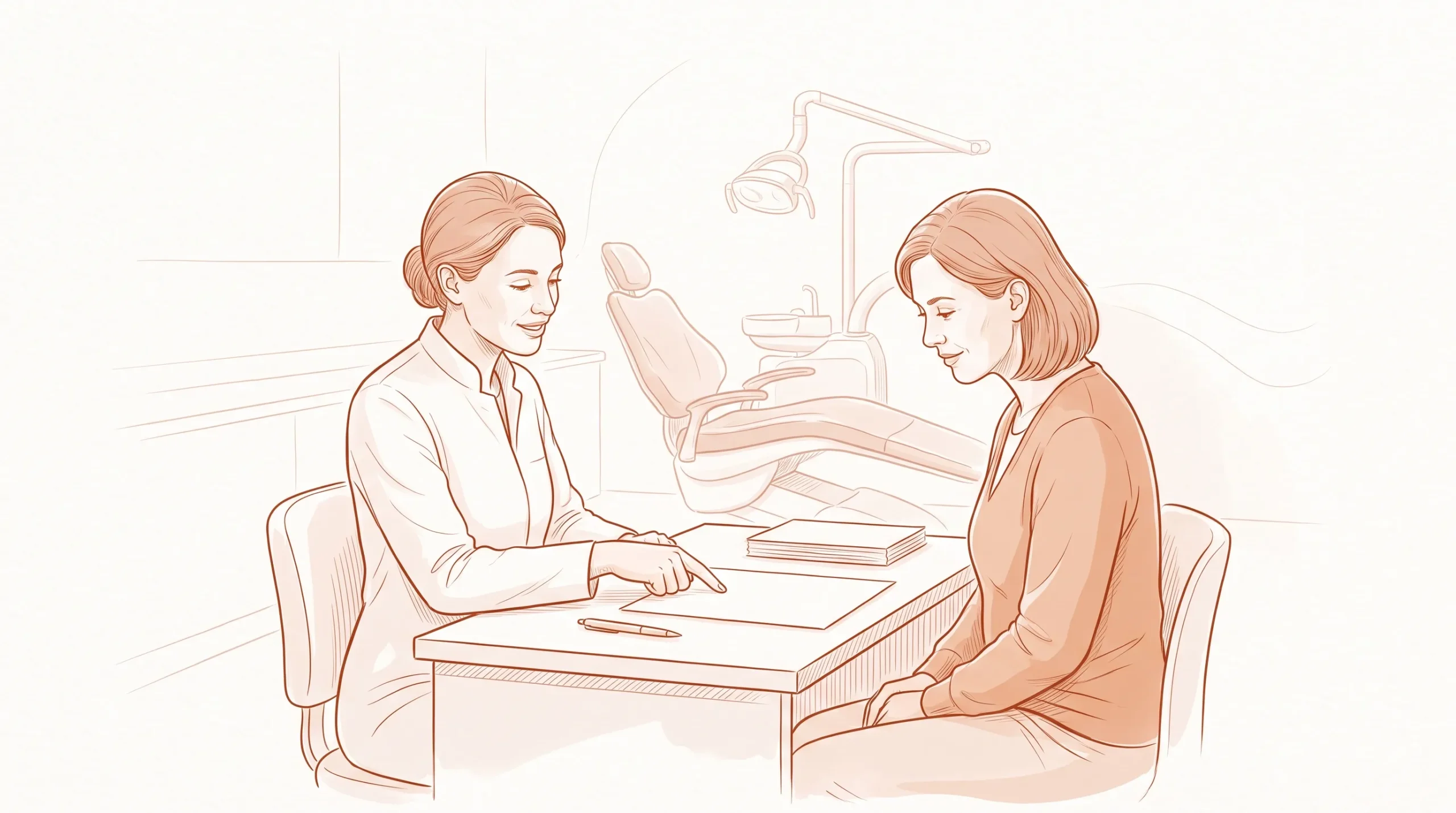
A routine appointment usually starts with a conversation. Your dentist may ask about symptoms, changes in your health, medications, pregnancy, smoking or vaping, previous dental treatment and any concerns you have noticed. These details can affect your risk of tooth decay, gum disease, mouth dryness or healing after dental procedures.
The examination itself is generally structured but not rushed. Your dentist may look for tooth decay, broken teeth, signs of clenching or grinding, gum pocketing, plaque build-up, loose teeth, bite changes and soft tissue changes. They may also check areas that can be hard to see at home, such as the back molars, gumline and spaces between teeth.
Dental X-rays are not required at every appointment for every person. They may be recommended when your dentist needs more information, such as checking between teeth, looking under existing fillings or assessing bone levels around teeth. Your dentist should explain why an X-ray is being recommended and how it may affect diagnosis or treatment planning.
If treatment is suggested, you can ask about the reason for the treatment, alternatives, expected steps, fees, risks and what may happen if treatment is delayed or not performed. All dental procedures carry potential risks and benefits, and suitability depends on your oral health, medical history, anatomy and goals.
Daily habits that support routine care
Routine visits work best when they are paired with consistent home care. Plaque, a sticky film of bacteria, forms on teeth every day. If it is not removed well, it can contribute to tooth decay, gum irritation and bad breath.
For most adults, home care includes brushing twice daily with fluoride toothpaste and cleaning between the teeth with floss or interdental brushes. Fluoride helps strengthen tooth enamel and reduce the risk of decay when used as directed. Your dentist can show you which technique and products may suit your teeth, gums and dexterity.
Useful everyday habits include:
- Brushing gently along the gumline rather than scrubbing hard
- Using fluoride toothpaste and spitting out excess foam rather than rinsing heavily with water
- Cleaning between teeth once a day, or as advised by your dentist
- Limiting frequent sugary snacks and drinks
- Drinking tap water where fluoridated water is available
- Wearing a professionally made mouthguard for contact sport if recommended
If you want a more practical refresher, CP Dental’s article on good dental hygiene tips explains brushing, flossing and daily mouth care in simple terms.
Routine dental care for children and teenagers
Children’s dental care is about prevention, development and building familiarity with the dental setting. A child’s appointment may include checking baby teeth, adult teeth as they come through, bite development, brushing habits, diet and any signs of dental trauma.
Parents and carers can ask about fluoride toothpaste, fissure sealants, thumb sucking, mouthguards, orthodontic timing and how to manage dental anxiety. Children’s needs change quickly as their mouth develops, so routine care can help families receive advice at the right stage.
Eligible children may be able to access support through the Child Dental Benefits Schedule, which helps with the cost of basic dental services for eligible children. Services Australia is the official source for eligibility and current program details.
Costs, health funds and informed consent
The cost of routine dental care in Australia can vary depending on the appointment type, whether X-rays are needed, whether a clean is provided and whether any additional treatment is recommended. Private health insurance may contribute to some dental services, depending on your policy and annual limits.
Before proceeding with treatment, you can ask for an itemised estimate. This may help you understand the likely fees, what your health fund may cover and whether there are staged treatment options. If a problem is not urgent, you can also ask whether monitoring is reasonable or whether treatment is recommended sooner because of the risk of progression.
For patients comparing dental care Australia information online, price should not be the only consideration. Clear communication, informed consent, treatment options and follow-up expectations also matter. CP Dental’s guide on what to ask before booking affordable dental care outlines practical questions that can help you feel better prepared.
When routine care is not enough
Routine care is for regular monitoring and prevention. Some symptoms may need prompt dental advice rather than waiting for your next check-up. These can include facial swelling, dental trauma, a knocked-out adult tooth, uncontrolled bleeding, severe toothache, a broken tooth with pain, signs of infection or difficulty opening the mouth.
If you have swelling that affects breathing, swallowing or your ability to open your mouth, seek urgent medical care. For dental injuries, time can matter, especially with a knocked-out adult tooth. Healthdirect provides Australian health information and can be a helpful starting point if you are unsure how urgent a health issue may be.
Milder symptoms still deserve attention. Bleeding gums, sensitivity, a rough filling, persistent bad breath or a mouth ulcer that does not heal should be assessed. These symptoms do not always mean something serious, but a dental examination can help determine the likely cause and whether treatment or monitoring is appropriate.
How to prepare for your next routine appointment
You do not need to do anything complicated before a routine dental visit. It can help to bring your health fund card if you have one, a list of current medications and any details about recent medical changes. If you have dental anxiety, a strong gag reflex or past experiences that affect how you feel about treatment, mention this when booking or at the start of the appointment.
Before your visit, consider writing down questions such as:
- How are my gums looking compared with my last visit?
- Do I have any areas I am missing when brushing or flossing?
- Are X-rays recommended today, and why?
- What are my treatment options if you find a problem?
- What are the risks, benefits and costs of each option?
Thinking about dental care Australia-wide also means recognising that access, costs and individual dental needs vary. The most useful routine plan is one that fits your oral health risks, personal circumstances and ability to maintain care at home.
Frequently Asked Questions
Is routine dental care Australia-wide the same for everyone? No. The general principles are similar, but your ideal visit frequency and care plan depend on factors such as your gum health, decay risk, medical history, medications, age and previous dental treatment.
Do I need a professional clean at every check-up? Not always. Your dentist can assess plaque, tartar and gum health before recommending a clean. Some people need more frequent cleaning, while others may need it less often.
Are dental X-rays safe? Dental X-rays use a low level of radiation and should only be taken when clinically justified. Your dentist should explain why an X-ray is recommended and how it may assist your care.
Can routine dental care prevent every dental problem? No dental care can prevent every issue. Routine care may reduce risk and help detect problems earlier, but tooth decay, gum disease, cracks, trauma and other conditions can still occur.
When should I take my child to the dentist? Children benefit from dental visits early in life so their teeth, gums and development can be checked. Your dentist can advise on timing based on your child’s age, risk factors and individual needs.
Booking routine dental care with CP Dental
A dental examination can help determine the cause of symptoms, assess your current oral health and explain which options may be appropriate. If you are due for a check-up or have a concern you would like assessed, you can book an appointment with CP Dental at the Coopers Plains, Mater Hill or Emerald location.
Your dentist can discuss the potential benefits, risks, limitations and alternatives of any recommended treatment so you can make an informed decision based on your circumstances.